Channel Islands
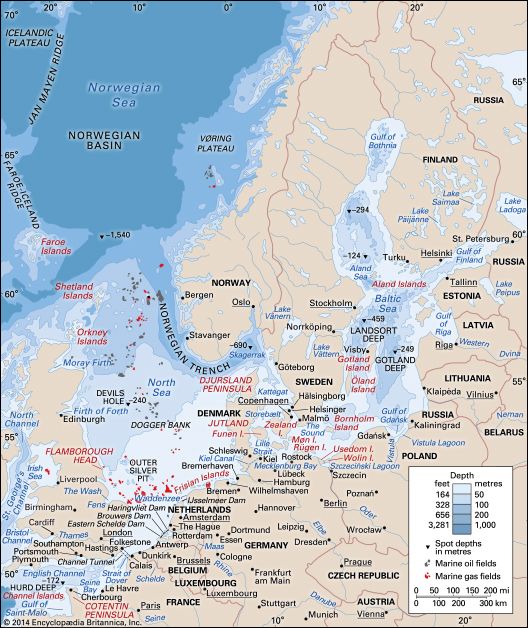
There are two distinct archipelagos known as the Channel Islands.
How many islands make up the Channel Islands, and what are their names?
There are two distinct archipelagos known as the Channel Islands.
Channel Islands (English Channel)
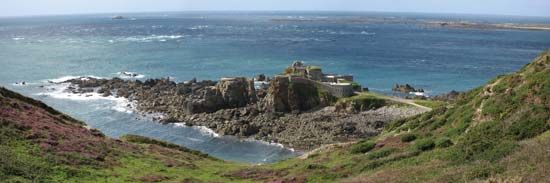
Located in the English Channel, this archipelago comprises four main islands: Jersey, Guernsey, Alderney, and Sark. These are supplemented by various smaller islets, rocks, and reefs, such as Herm, Jethou, Lihou, Brecqhou, the Ecrehous, and Les Minquiers.1
Channel Islands (California)
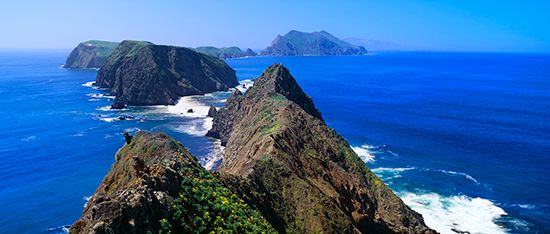
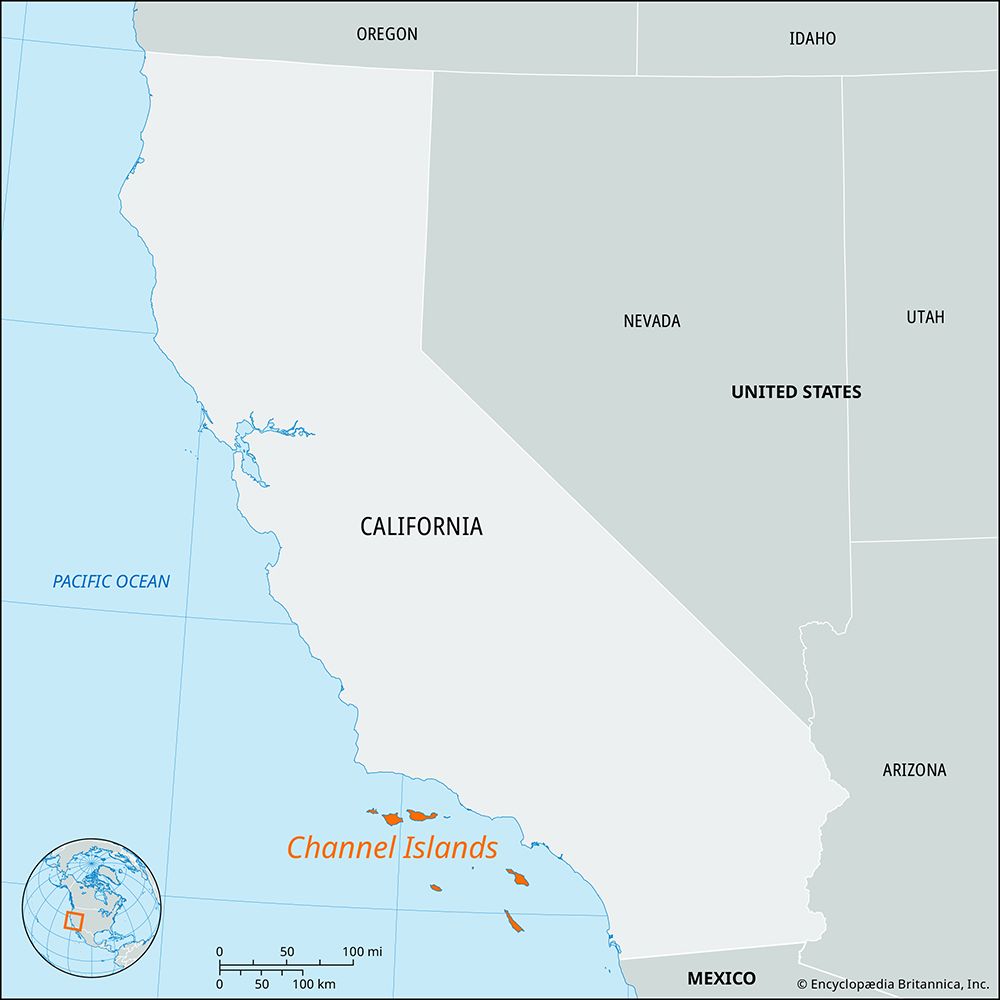
Located off the Pacific coast of southern California, this chain consists of eight primary islands divided into two groups:2
- Santa Barbara group: San Miguel, Santa Rosa, Santa Cruz, and Anacapa (a group of three small islets).2
- Santa Catalina group: Santa Barbara, San Nicolas, Santa Catalina, and San Clemente.2
How did the Channel Islands become a National Park, and what recreational activities are available there?
Channel Islands National Park was established in 1980, encompassing five islands: San Miguel, Santa Rosa, Santa Cruz, Anacapa, and Santa Barbara. The park’s origins trace back to 1938, when Santa Barbara Island and the Anacapa group were first designated as a national monument. Today, the park covers 390 square miles, with half of that area consisting of protected waters extending one nautical mile from each island’s shore.3
While the provided information details the park’s geography, ecological significance, and history—including its former use for ranching and its status as a habitat for indigenous species like the island gray fox—it does not explicitly list specific recreational activities available to visitors. However, the islands are known for their rugged, mountainous terrain and sea caves, which are characteristic features of the landscape.3
How do the Channel Islands compare to other island chains off the coast of the United States?
The Channel Islands off the coast of California are unique among U.S. island chains due to their distinct geological origins and ecological isolation. Unlike some other U.S. island groups formed by volcanic activity, the Channel Islands are geologically linked to the mainland’s Coast Ranges, with the northern group serving as a continuation of the Transverse Ranges and the southern group as a continuation of the Peninsular Ranges.3
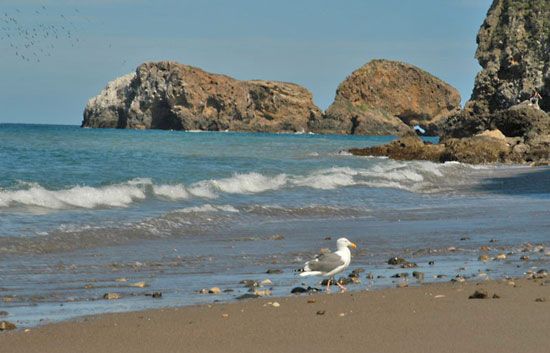
Compared to other coastal regions, these islands are notable for their high level of endemism, hosting several hundred varieties of plants and animals found nowhere else, such as the island gray fox. While other U.S. islands may be heavily developed or primarily volcanic, the Channel Islands are characterized by rugged, mountainous terrain and sea caves, with a significant portion protected under Channel Islands National Park. Furthermore, their history reflects a unique blend of indigenous habitation by the Chumash and Gabrielino peoples, followed by periods of ranching and military use, rather than the colonial or plantation histories seen in other American territories.3
What unique flora and fauna can be found on the Channel Islands?
The Channel Islands off the coast of California are home to a diverse array of unique flora and fauna, with several hundred varieties of plants and animals, many of which are indigenous to the region.3
Flora
The islands feature a variety of characteristic vegetation, including:
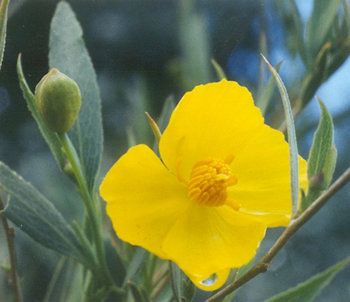
- Giant coreopsis: Also known as the sunflower tree, this is a notable plant species found on the islands.3
- Chamise chaparral: A common shrub-dominated plant community.3
- Coastal sage and wildflowers: These contribute to the islands’ distinct botanical landscape.3
- Pine trees: These are found specifically on Santa Cruz and Santa Catalina islands, which are the only forested islands in the chain.3
Fauna
The islands serve as critical habitats for various species:
- Island gray fox: An endemic species found only on these islands.35
- Marine mammals: The islands are vital breeding grounds for the California sea lion and several species of seals.3
- Seabirds: The islands support a great variety of bird life, including the endangered California brown pelican, which uses the cliffs of Anacapa as a major nesting site.3
- Prehistoric remains: Excavations on Santa Rosa Island have revealed the remains of the extinct pygmy mammoth.3
Sources
- Channel Islands — Encyclopædia Britannica
- Channel Islands — Merriam-Webster
- Channel Islands — Encyclopædia Britannica
- Channel Islands National Park — Merriam-Webster
- gray fox — Encyclopædia Britannica
Published on · 3 min read