Chatham Sound
Chatham Sound is an inlet of the eastern North Pacific Ocean located in west-central British Columbia, Canada.
What is Chatham Sound?
Chatham Sound is an inlet of the eastern North Pacific Ocean located in west-central British Columbia, Canada.1
Serving as an eastern extension of Dixon Entrance, the sound stretches approximately 40 miles (65 km) northward from Porcher Island to the mouth of Portland Inlet. It ranges from 8 to 15 miles in width and flows between the Tsimpsean Peninsula and Dundas Island, which lies to the west. The Skeena River empties into the sound just south of the port city of Prince Rupert.1
The sound is believed to have been named in 1788 by British Captain Charles Duncan in honor of the 2nd Earl of Chatham.1
What is the significance of the Skeena River to this region?
The Skeena River is vital to the economy and infrastructure of western British Columbia. Its significance is defined by several key roles:
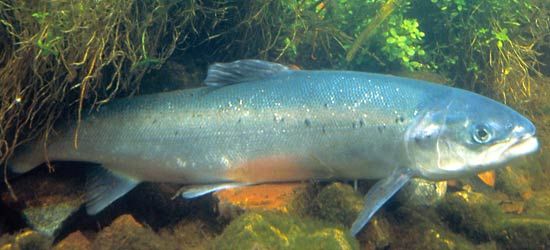
- Fisheries: The river is a major salmon-fishing stream, supporting a local industry that includes several canneries near its mouth and processing facilities in nearby Prince Rupert.23
- Transportation Corridor: The lower courses of the Skeena and its tributary, the Bulkley River, serve as a critical transportation artery. They are paralleled by the Canadian National Railway and the Yellowhead Highway, which connect the interior of the province to the Pacific coast.23
- Regional Development: The river facilitates access to northern British Columbia’s lumbering, mining, and agricultural sectors through the port of Prince Rupert, which sits near the river’s mouth on Chatham Sound.3
- Settlement: The river has historically fostered the growth of key regional communities, including Terrace and Hazelton.2
How did the Haida Gwaii islands influence the area’s history?
The Haida Gwaii archipelago has profoundly influenced the region’s history through its long-standing habitation by the Haida people and its role in maritime commerce and political advocacy.
Cultural and Economic Significance
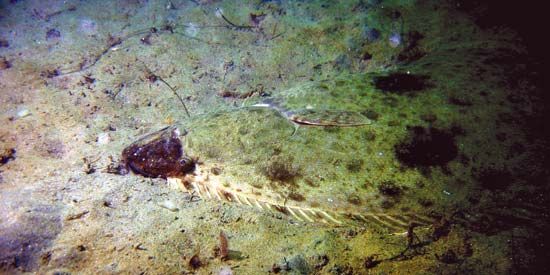
The Haida developed a sophisticated society based on the abundant resources of the Pacific, particularly salmon, halibut, and cod. This economic stability supported a rich artistic tradition, including the creation of elaborate totem poles and the practice of the potlatch, a ceremonial distribution of goods used to validate social status and political rank.4
Colonial Impact and Resilience
Following European contact in the late 18th century, the islands became a focal point for the maritime fur trade. While the Haida and other Northwest Coast Indians initially benefited from trade, they faced devastating population losses due to introduced diseases and restrictive colonial policies, such as the 1884–1951 ban on potlatches. Despite these challenges, the Haida maintained economic independence through the commercial fishing industry.5
Political Legacy
The Haida were instrumental in organizing political groups like the Native Brotherhoods to advocate for legal rights and land claims. Their efforts culminated in a landmark 2009 agreement with the British Columbia government, which established a joint management council for the islands’ resources and officially renamed the archipelago Haida Gwaii to honor the Haida people’s history.65
What role does the port of Prince Rupert play in British Columbia?
The port of Prince Rupert serves as a critical economic and logistical gateway for northern British Columbia. Its significance is rooted in several key functions:
- Regional Hub: The city’s ice-free harbour acts as a primary outlet for the province’s northern lumbering, mining, and agricultural sectors.3
- Transportation Terminus: Prince Rupert is the western terminus for the Canadian National Railway and the Yellowhead Highway, which provide essential links between the interior of the province and the Pacific coast.38
- Maritime Connectivity: The port facilitates extensive ferry services, including the British Columbia Ferry System and the Alaska Marine Ferries, supporting both commercial and passenger transit.3
- Industrial Base: Beyond its role as a shipping hub, the city supports local fishing and processing industries, particularly for salmon and halibut, and hosts pulp mills and cold-storage facilities.3
Sources
- Chatham Sound — Encyclopædia Britannica
- Skeena River — Encyclopædia Britannica
- Prince Rupert — Encyclopædia Britannica
- Haida Gwaii — Encyclopædia Britannica
- Haida — Encyclopædia Britannica
- Northwest Coast Indian - Cultural continuity and change — Encyclopædia Britannica
- Hecate Strait — Encyclopædia Britannica
- British Columbia - Transportation and telecommunications — Encyclopædia Britannica
Published on · 3 min read