Chayote
While the chayote (Sechium edule) is most commonly cultivated for its edible fruit, other parts of the plant are also consumed. Specifically, the young…
What parts of the chayote plant are edible besides the fruit?
While the chayote (Sechium edule) is most commonly cultivated for its edible fruit, other parts of the plant are also consumed. Specifically, the young tuberous roots of the plant are edible and are typically prepared in a manner similar to potatoes.1
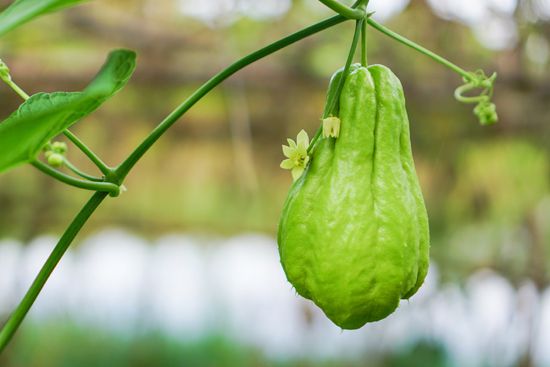
What is chayote and where does it originate from?
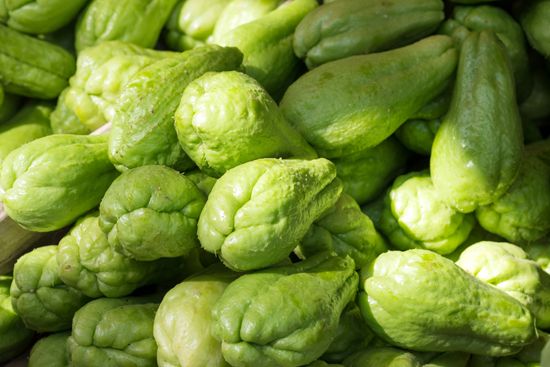
Chayote (Sechium edule) is a fast-growing perennial climbing vine belonging to the gourd family. It is primarily cultivated for its edible, pear-shaped fruits, which feature a single seed and flesh that tastes similar to cucumber or zucchini.1
Regarding its origins, chayote is native to the New World tropics. While it is a perennial in its native environment, it is frequently grown as an annual plant in temperate climates.1
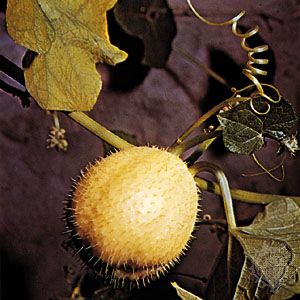
Are there different varieties of chayote, and how do they differ?
While there are different varieties of chayote (Sechium edule), they are primarily distinguished by the physical characteristics of their fruit. Most commonly, the plant produces green, pear-shaped fruits that feature distinct furrows and measure approximately 7.5 to 10 cm (3 to 4 inches) in length.1
Beyond the standard appearance, some specific varieties are categorized by the texture of their skin. While many fruits are smooth, other varieties are known for having hairy or spiny surfaces. Regardless of these external differences, the internal flesh remains consistently green to green-white and contains a single seed.1
What are some unique features of the chayote plant’s flowers and leaves?
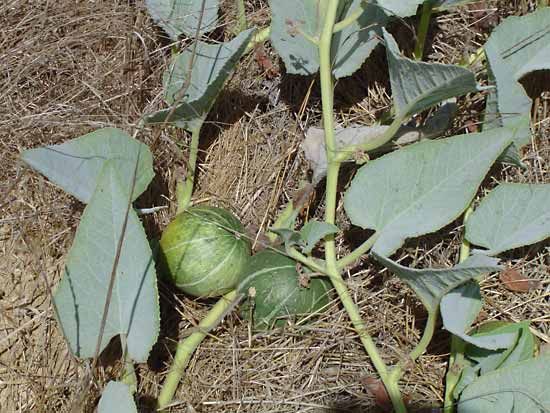
The chayote (Sechium edule) plant exhibits several distinct botanical features regarding its growth habit and reproductive structures:
- Climbing Habit: The plant is a fast-growing vine that utilizes tendrils to climb and support its rapid development.1
- Flowers: The plant produces small, white flowers. These flowers are unisexual, meaning individual blossoms are either male or female rather than containing both reproductive parts.1
- Leaves: While the leaves are a standard component of the vine’s foliage, they are notable for their susceptibility to anthracnose, a fungal disease that particularly affects the plant when grown in humid climates.1
Sources
- chayote — Encyclopædia Britannica
- chayote — Merriam-Webster
Published on · 2 min read