Cherry
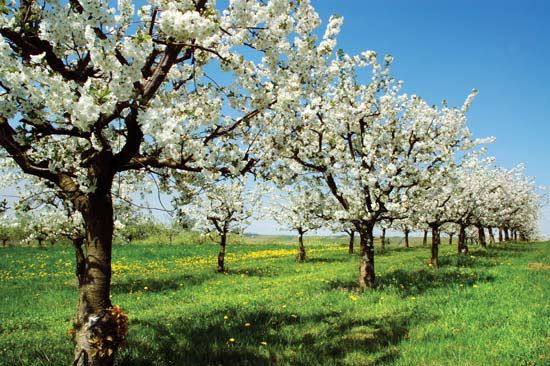
Cherry trees, including the sweet cherry, are susceptible to various biological threats that can impact their health and productivity.
What are some common pests and diseases that affect cherry trees, and how are they managed?
Cherry trees, including the sweet cherry, are susceptible to various biological threats that can impact their health and productivity.
Common Diseases
Cherry trees are vulnerable to several plant diseases, including:
- Fungal and Bacterial Issues: These include scab, black knot, crown gall, and powdery mildew.
- Leaf Blister: Caused by Taphrina fungi, this condition can lead to the formation of witches’-brooms (abnormal clusters of dwarfed shoots) on stems. Infected leaves may become distorted and drop early.12
- Bacterial Canker: A common concern for cherry tree health.2
Common Pests
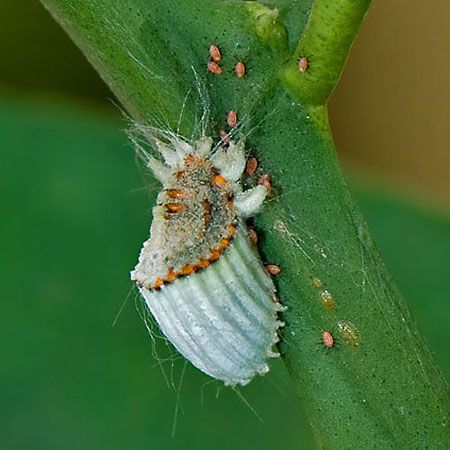
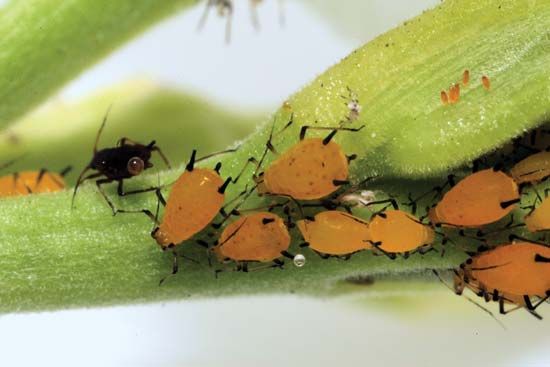
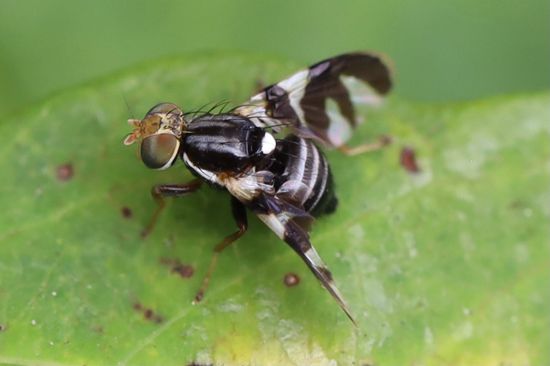
Insect pests that frequently affect these trees include scale, aphids, and fruit flies. Additionally, backyard growers often need to protect their fruit from bird predation.2
Management
Management strategies often involve the use of fungicides, particularly for diseases like leaf blister, which can be treated in the fall after leaf drop or during an outbreak. The use of resistant plant varieties is also a recommended approach for disease control.1
What are the different types of cherry trees and their characteristics?
Cherry trees belong to the genus Prunus and are generally categorized by their primary use: fruit production or ornamental beauty.
Fruit-Bearing Cherries
There are three main types of cherries grown for their fleshy drupes:
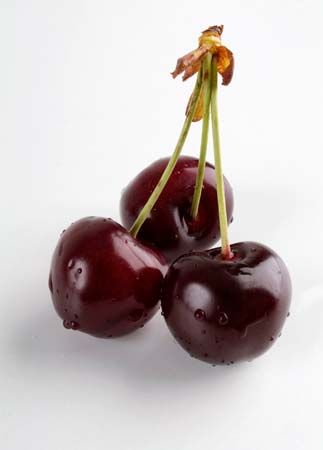
- Sweet Cherries (P. avium): These large, upright trees produce heart-shaped to globular fruit (approx. 2 cm in diameter) with low acidity. Colors range from yellow to nearly black. They are typically consumed fresh or used in liqueur.
- Tart Cherries (P. cerasus): Known for their high acid content, these are generally dark to bright red and are primarily used for cooking, canning, or freezing rather than fresh eating.
- Dukes: These are hybrids resulting from crosses between sweet and tart cherries, possessing characteristics intermediate to both parents.
Ornamental Cherries
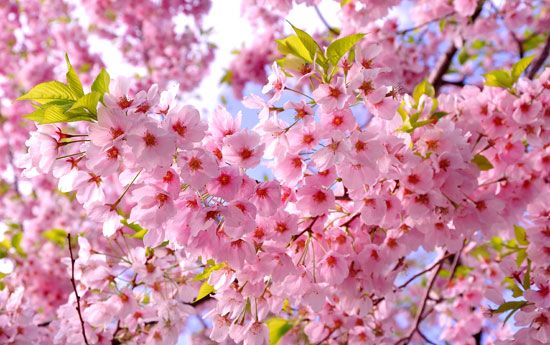
Selected primarily for their aesthetic value, these varieties often produce prolific pink or white flowers and frequently do not set fruit. Many have been developed to feature double blooms with numerous petals. Popular examples include the Yoshino cherry, weeping cherry, autumn-flowering cherry, and Kwanzan cherry.
What are the differences between sweet cherries and sour cherries in terms of taste, use, and growing requirements?
Sweet cherries (Prunus avium) and sour (or tart) cherries (Prunus cerasus) differ primarily in their flavor profiles, culinary applications, and physical characteristics.
Taste and Use
- Sweet Cherries: These fruits have a low acid content, resulting in a sweet, mildly tart flavor. Because of their pleasant taste, they are typically consumed fresh. They are also the primary type used in maraschino liqueur.42
- Sour Cherries: These cherries contain high levels of acid, which gives them a distinctively sour flavor. Due to this acidity, they are generally not eaten fresh. Instead, they are commonly processed by freezing or canning and are widely used in culinary preparations such as sauces and pastries.2
Growing Requirements
Both types share similar environmental needs. They thrive in regions where winter temperatures are not excessively severe and summer temperatures remain moderate. Crucially, both require a period of winter cold to successfully blossom in the spring. They bloom early in the season—typically after peaches but before apples—making their crops vulnerable to late spring frosts.42
How are cherries used in various cuisines and culinary applications?
Cherries are versatile fruits utilized in a wide range of culinary applications, primarily categorized by the type of cherry used.
Culinary Uses by Cherry Type
- Sweet Cherries (Prunus avium): Due to their low acidity and pleasant flavor, sweet cherries are most commonly consumed fresh. They are also the primary variety used in the production of maraschino liqueur, where they are preserved in either true or imitation spirits.3
- Tart Cherries (Prunus cerasus): Because of their high acid content, these cherries are generally considered too sour for fresh consumption. Instead, they are frequently frozen or canned to preserve them for use in various cooked dishes, including sauces and pastries. They are also commonly processed into juice or juice concentrate.35
Processing and Safety
When preparing cherries, particularly tart varieties, it is important to note that the pits contain a compound called amygdalin, which can degrade into poisonous hydrogen cyanide if the pits are crushed, ground, or chewed. For safety, pits should always be removed before placing cherries into blenders or juicers.5
Beyond fruit, cherries are also associated with cherry brandy, which is either a liqueur flavored with cherries or a spirit distilled from fermented cherry juice.6
Sources
- Leaf blister — Encyclopædia Britannica
- Sweet cherry — Encyclopædia Britannica
- Cherry — Encyclopædia Britannica
- sour cherry — Merriam-Webster
- cherry liqueur — Merriam-Webster
- cherry brandy — Merriam-Webster
- sweet cherry — Merriam-Webster
- Tart cherry — Encyclopædia Britannica
- canning — Encyclopædia Britannica
Published on · 4 min read