Chigua
Chigua is a genus comprising two species of cycads belonging to the family Zamiaceae, endemic to lowland rainforest habitats in Colombia. Recognized as a…
What is Chigua?
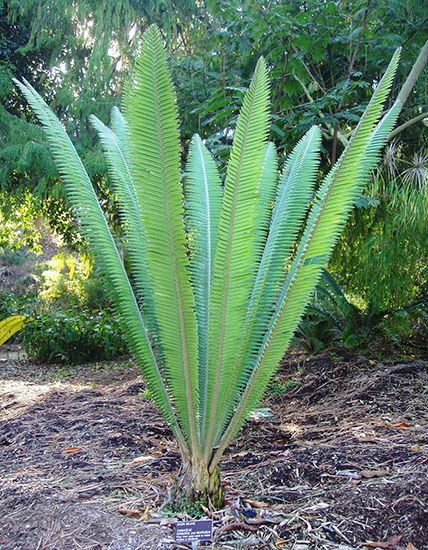
Chigua is a genus comprising two species of cycads belonging to the family Zamiaceae, endemic to lowland rainforest habitats in Colombia. Recognized as a distinct genus in 1990, it is closely related to the genus Zamia but is distinguished by its unique cone morphology and leaflets that feature a well-defined midrib and branched secondary veins—a trait otherwise known only in the genus Stangeria.12
Physically, Chigua plants possess a short, subterranean woody base (caudex) and relatively few leaves. Their reproductive structures consist of stalked male and female cones with sporophylls arranged in vertical ranks. Because these plants are rarely encountered in their natural environment, their taxonomy and ecology remain subjects of ongoing study.1
What are the main characteristics of cycads?
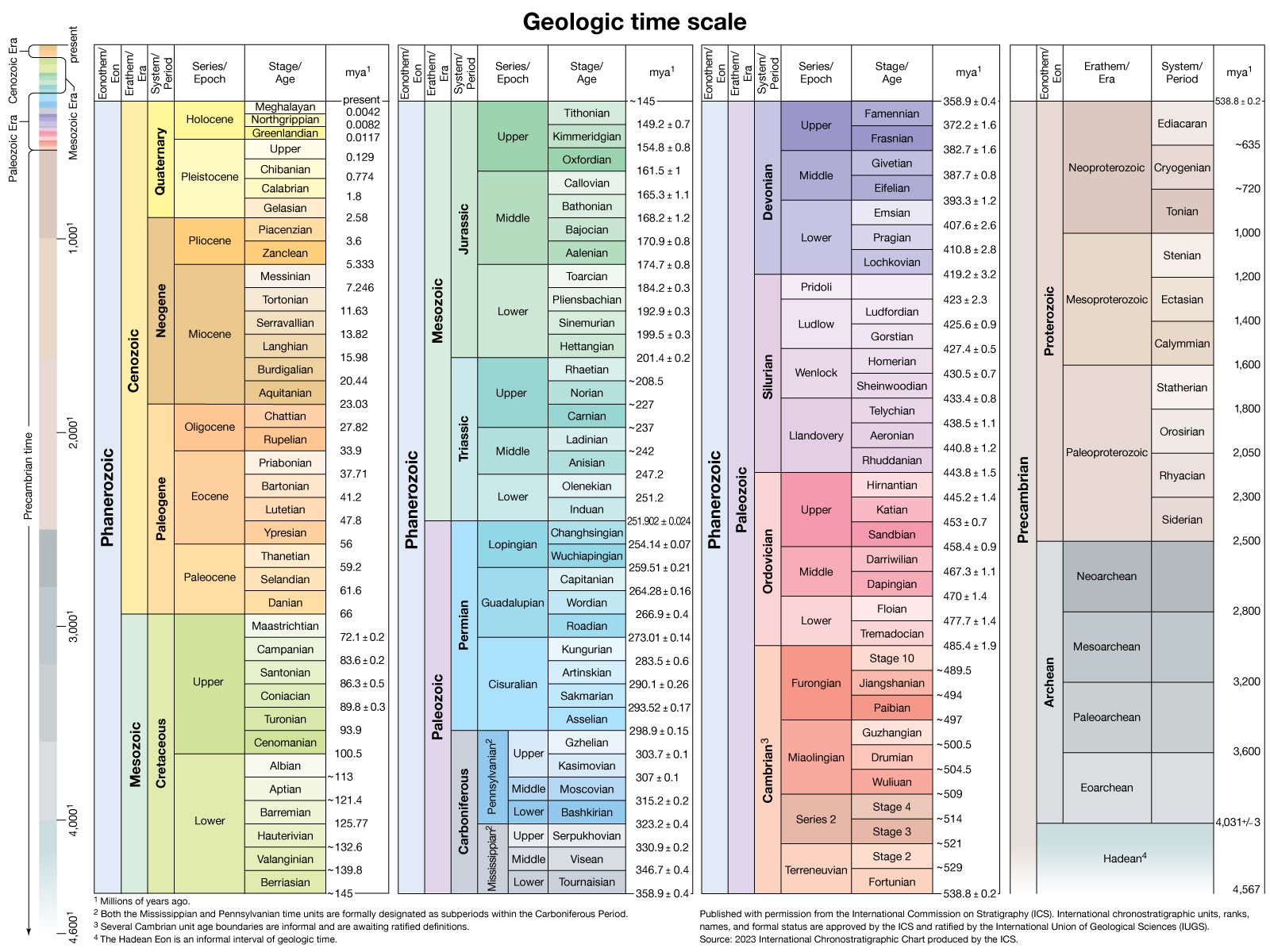
Cycads are ancient, slow-growing gymnospermous plants that flourished during the Mesozoic Era. They are characterized by several distinct features:
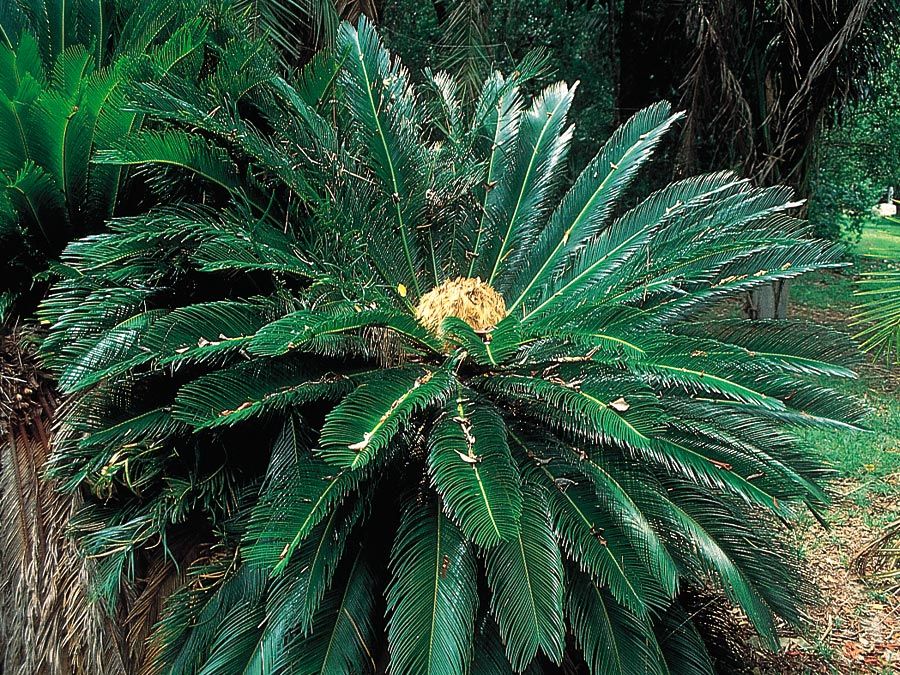
- Appearance: Cycads are palmlike, evergreen plants with crowns of large, feathery, pinnately compound leaves. Their stems are typically short and stout, ranging from subterranean tuberlike forms to tall, arborescent (treelike) trunks that may be covered in an “armour” of hardened leaf bases.345
- Anatomy: The stems are pachycaulous, meaning they are thick and fleshy with a large pith and relatively little woody tissue. They grow apically, and many species exhibit a sympodial growth pattern where the apical meristem is transformed into a cone.45
- Reproduction: Cycads are dioecious, meaning male and female reproductive structures are borne on separate plants. They produce cones, typically at the center of the leaf crown, which house the pollen or seeds. Their reproductive cycle is notably slow, often taking over a year to complete.657
- Ecology: They are found in tropical and subtropical regions, occupying diverse habitats from rainforests to scrublands.8
Due to their popularity as ornamentals, many species are now endangered or critically endangered in the wild and are protected by international conservation laws.58
Why are some plants considered rare or difficult to find in nature?
Plants are often considered rare or difficult to find in nature due to a combination of factors that increase their risk of extinction. According to the IUCN Red List of Threatened Species, scientists assess extinction risk based on several quantitative criteria, including rapid population decline, limited geographic range, and small population sizes.7
Species may become rare because they are naturally restricted to very small areas or have inherently low population numbers. Furthermore, human-driven habitat loss and environmental changes can cause once-abundant populations to plummet, leading to endangered status. For instance, many cycads are now rarely found in the wild because their populations have been decimated, necessitating protected status to prevent their disappearance.7910
When a species is categorized as critically endangered, it often means fewer than 50 individuals remain, making them exceptionally difficult to locate in their natural environments.7
How do scientists determine if a plant genus is new?
To determine if a plant genus is new, scientists rely on rigorous taxonomic methods that evaluate whether a group of species—or a single isolated species—possesses unique structural or phylogenetic characteristics that distinguish it from existing classifications.11
The process involves several key approaches:
- Morphological Analysis: Botanists examine the “natural characters” of a plant, such as the detailed structure of its flowers and fruits. This classical method remains fundamental to defining genera.12
- Comparative Research: Scientists utilize herbaria to compare specimens against established reference collections and literature. Modern research also employs electron microscopy to study plant morphology in greater detail.13
- Molecular and Chemical Data: Researchers use chemotaxonomy to analyze biochemical metabolic products and DNA sequencing to determine phylogenetic relationships. These quantitative methods provide objective evidence of how closely related plants are.13
- Standardized Nomenclature: Once a new genus is identified, it must be named according to international rules established by committees to ensure stability and avoid confusion in scientific nomenclature.14
Sources
- Chigua — Encyclopædia Britannica
- cycadophyte - Distribution and abundance — Encyclopædia Britannica
- Did you know? — Merriam-Webster
- cycadophyte - Gametophyte phase — Encyclopædia Britannica
- cycadophyte - Stem — Encyclopædia Britannica
- cycad — Encyclopædia Britannica
- cycadophyte - Ecology and habitats — Encyclopædia Britannica
- Cycas — Encyclopædia Britannica
- endangered species — Encyclopædia Britannica
- IUCN Red List of Threatened Species — Encyclopædia Britannica
- botany - Taxonomic aspects — Encyclopædia Britannica
- Carolus Linnaeus - Classification by “ natural characters ” of Carolus Linnaeus — Encyclopædia Britannica
- nomenclature — Encyclopædia Britannica
- genus — Encyclopædia Britannica
Published on · 3 min read