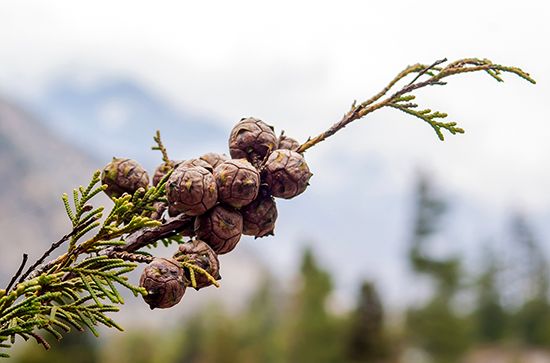
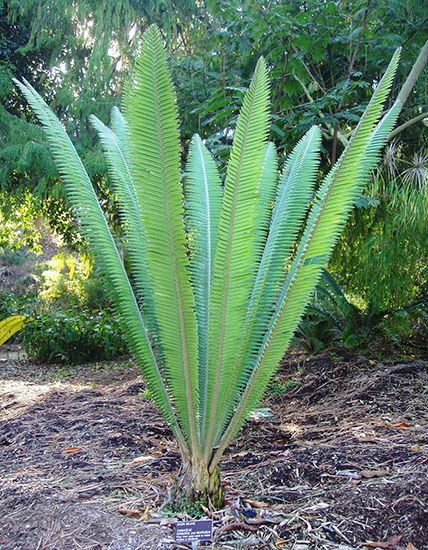
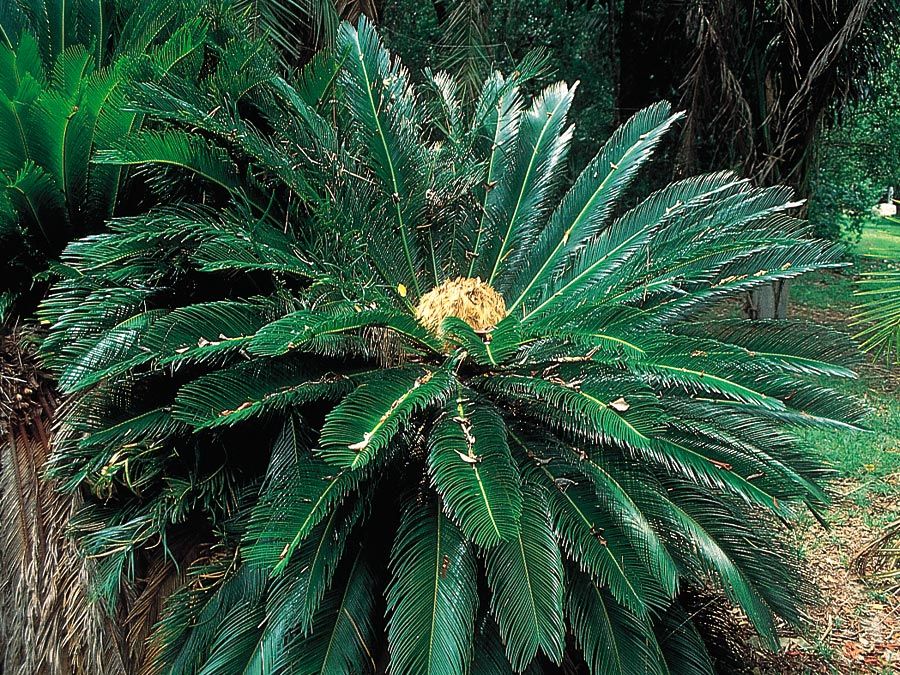
China Fir
The China fir (Cunninghamia lanceolata) is a coniferous evergreen tree belonging to the cypress family (Cupressaceae), native to East Asia, including China…
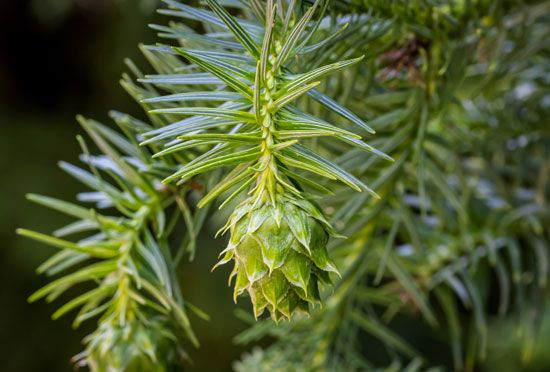
What is China fir?
The China fir (Cunninghamia lanceolata) is a coniferous evergreen tree belonging to the cypress family (Cupressaceae), native to East Asia, including China and Taiwan.12
This species can reach heights of up to 50 meters (160 feet) and features a circumference of approximately 5.5 meters (18 feet). Its appearance is characterized by fragrant, reddish-brown bark that sheds in long strips, and spreading branches that droop at the ends. The tree bears flattened, lance-shaped leaves that are spirally arranged, as well as rounded cones equipped with thick, spiny-tipped scales.12
Valued as both an ornamental plant and a source of timber, the China fir is a significant species within its native range.2
What are some other trees in the cypress family?
The Cupressaceae family is a diverse group of 30 genera and 133 species of evergreen trees and shrubs distributed globally. While the China fir is one member, the family includes many other economically and ecologically significant trees.3
Some notable trees in the cypress family include:
- Cypress: Members of the genus Cupressus, such as the Italian and Monterey cypresses, often used as ornamentals.4
- Arborvitae: Trees of the genus Thuja, widely valued for their timber and ornamental qualities.3
- Juniper: A widespread genus (Juniperus) that covers extensive areas of the Northern Hemisphere.35
- Redwood and Giant Sequoia: Iconic, massive trees (Sequoia and Sequoiadendron) that were formerly classified in the family Taxodiaceae.35
- Bald Cypress: A well-known timber tree (Taxodium) often found in wetlands.34
- False Cypress and Cypress Pine: Genera such as Chamaecyparis, Callitris, and Widdringtonia that share the common name “cypress”.34
- Incense Cedar: Belonging to the genus Calocedrus.3
- Japanese Cedar: Known as Cryptomeria.3
- Dawn Redwood: The genus Metasequoia.3
How is China fir wood used in construction?
While the provided search results identify the China fir as a significant timber tree, they do not contain specific details regarding its particular applications in construction.
Generally, wood is utilized in construction due to its high strength-to-weight ratio, workability, and aesthetic appeal, though its use requires careful consideration of its natural tendency to absorb moisture, burn, or decay. Because the available information does not detail the specific structural or architectural uses of China fir wood, I cannot provide a more precise answer on its construction applications at this time.6
What are the main differences between conifers and deciduous trees?
The primary differences between conifers and deciduous trees involve their reproductive structures, foliage characteristics, and wood composition.
Reproductive Structures
Conifers are gymnosperms, meaning they produce “naked” seeds, typically borne in cones (strobili) rather than within a fruit. In contrast, deciduous trees are generally angiosperms, which produce seeds enclosed within a fruit or nut.78
Foliage and Growth Habits
- Conifers: Most are evergreen, retaining their leaves throughout the year. Their leaves are typically simple, often needlelike or scalelike, and designed to minimize water loss. While most are evergreen, a few genera—such as larch and dawn redwood—are deciduous.971011
- Deciduous Trees: These trees shed their leaves annually, usually in autumn or during a dry season, to survive unfavorable environmental conditions. They typically feature broad, flat leaves.911
Wood Composition
Conifers are often referred to as softwoods because their wood is generally simpler in structure, consisting primarily of tracheids. Deciduous trees are commonly called hardwoods, though these terms can be imprecise, as some “softwood” conifers are harder than certain “hardwood” deciduous species.711
Sources
- China fir — Encyclopædia Britannica
- China fir — Merriam-Webster
- Cupressaceae — Encyclopædia Britannica
- cypress — Encyclopædia Britannica
- conifer - Annotated classification — Encyclopædia Britannica
- wood - Wood as a material — Encyclopædia Britannica
- conifer - Distinguishing taxonomic features — Encyclopædia Britannica
- evergreen — Encyclopædia Britannica
- tree - Popular classifications — Encyclopædia Britannica
- gymnosperm - Pinophyta — Encyclopædia Britannica
- conifer - Leaves — Encyclopædia Britannica
- conifer - Strobili — Encyclopædia Britannica
Published on · 3 min read