Chokecherry
The chokecherry (Prunus virginiana) is a native North American shrub or small tree that plays a notable role in its environment. By forming dense thickets on…
How does the chokecherry plant contribute to local ecosystems and wildlife?
The chokecherry (Prunus virginiana) is a native North American shrub or small tree that plays a notable role in its environment. By forming dense thickets on moist soils, the plant provides structural cover and habitat for various organisms.1
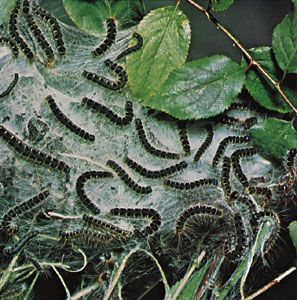
Regarding its interactions with wildlife, the chokecherry serves as a host for the eastern tent caterpillar, which frequently feeds on and defoliates the plant. While the fruits are a source of food for many, it is important to note that the foliage and stones contain hydrocyanic acid, making them poisonous to some animals. Beyond its ecological function, the plant has historically served as a vital resource for indigenous peoples for food, medicine, and ceremonial purposes.1
How have Native American cultures traditionally used chokecherry plants?
The chokecherry (Prunus virginiana) has long served as a significant resource for indigenous peoples across North America. Traditionally, these cultures have utilized the plant in three primary ways:1
- Food: Despite the astringent and acidic nature of the raw fruit, the cherries are harvested and processed into food products such as jellies and preserves.1
- Medicine: The plant has been historically valued for its medicinal properties, serving as a traditional source of healing.1
- Ceremony: Beyond its practical applications, the chokecherry holds cultural importance and is utilized in a variety of ceremonial practices.1
It is important to note that while the fruit is edible, the foliage and the stones of the fruit contain hydrocyanic acid and are considered poisonous.1
What are the key characteristics and physical features of the chokecherry plant?
The chokecherry (Prunus virginiana) is a deciduous shrub or small tree native to North America that belongs to the Rosaceae family.1
Physical Characteristics
- Size and Growth: The plant typically reaches a height of 6 meters (20 feet) and often forms dense thickets in moist soils.1
- Bark and Twigs: The bark is brown or gray, appearing smooth on new growth but becoming scaly as it ages. The slender brown twigs are noted for their bitter taste and unpleasant odor.1
- Flowers: It produces hanging spikes of white flowers that possess a disagreeable scent.1
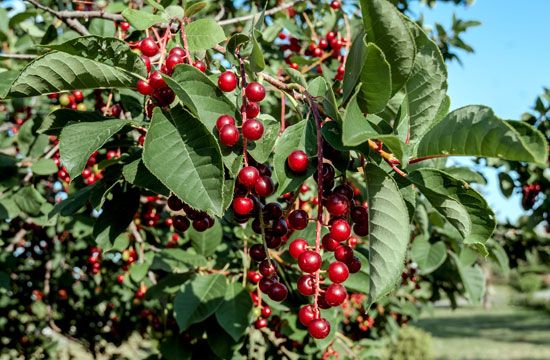
- Fruit: The fruits are drupes ranging from red to black in color. They are known for their astringent and acidic taste.12
It is important to note that the foliage and the stones of the fruit contain hydrocyanic acid, making them poisonous.1
What is the scientific name of the chokecherry plant, and to which family does it belong?
The scientific name of the chokecherry plant is Prunus virginiana. It belongs to the Rosaceae family, commonly known as the rose family. the Rosaceae family, commonly known as the rose family.1
Sources
- chokecherry — Encyclopædia Britannica
- chokecherry — Merriam-Webster
Published on · 2 min read