Cholla
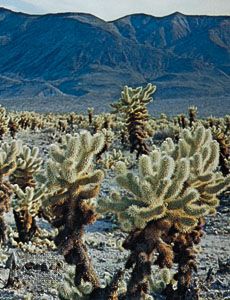
Cholla plants, belonging to the genus Cylindropuntia, are primarily native to North America, South America, and the West Indies.
In which regions or ecosystems are cholla plants commonly found?
Cholla plants, belonging to the genus Cylindropuntia, are primarily native to North America, South America, and the West Indies.1
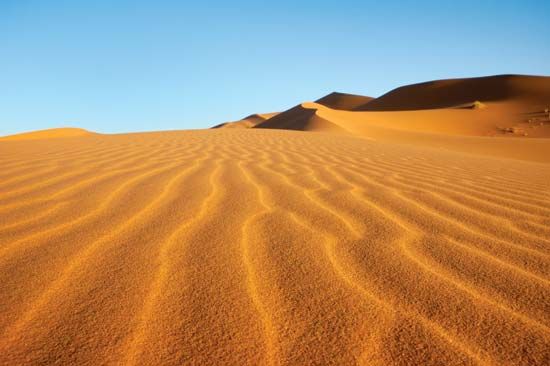
These cacti are most commonly associated with desert ecosystems, where they serve as a food source for local livestock and wildlife. While they are widely recognized as a shrubby cactus of the southwestern United States and Mexico, their range extends across various arid environments throughout the Americas. Some species, such as the cane cholla and Whipple’s cholla, have adapted to withstand cold temperatures as low as −18 °C (0 °F), allowing them to thrive in regions beyond typical tropical deserts.21
What are some common misconceptions or interesting facts about cholla plants?
Cholla plants, belonging to the genus Cylindropuntia, are often misunderstood due to their unique biology and appearance. Here are some interesting facts and clarifications regarding these cacti:
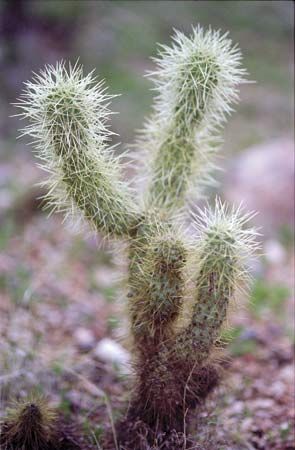
- The “Jumping” Myth: The teddy bear cholla, often called the “jumping cholla,” does not actually jump. Its reputation stems from the fact that its spiny segments break off extremely easily when brushed against by animals or during storms, making it appear as though the plant has launched itself at the passerby.1
- Taxonomic History: Chollas were formerly classified within the prickly pear genus, Opuntia, but are now recognized as their own distinct genus.1
- Defensive Anatomy: Beyond their large, needlelike spines, chollas possess glochidia—tiny, hair-like bristles equipped with backward-facing barbs. These are notoriously difficult to remove once they penetrate human skin.1
- Versatile Utility: While dangerous to touch, the plants are ecologically and practically useful. Their wood, which forms a hollow cylinder with regularly spaced holes, is harvested for fuel and decorative crafts. Additionally, some species produce edible fruit, and the plants provide essential food for desert wildlife and livestock.21
How does the cholla plant reproduce and spread?
Cholla plants (genus Cylindropuntia) primarily reproduce through vegetative propagation, a highly effective strategy for their survival in arid environments.1
- Vegetative Reproduction: Cholla stems are composed of cylindrical joints that break off easily when disturbed by animals or heavy storms. When these detached, spiny segments come into contact with the ground, they are capable of rooting and growing into new, independent plants.12
- Sexual Reproduction: Like other members of the Cactaceae family, chollas also produce flowers that rely on pollination by insects, birds, or other animals to produce seeds. These flowers vary in appearance, ranging from inconspicuous chartreuse blooms to more striking, colorful displays.21
This combination of vegetative cloning and seed production allows the cholla to spread efficiently across its native range in North and South America and the West Indies.1
What are the different species of cholla, and how do they vary?
The genus Cylindropuntia comprises approximately 35 species of cacti, which exhibit significant variation in size, hardiness, and appearance. While they all share the characteristic of cylindroid-jointed stems and defensive glochidia, specific species are distinguished by unique traits:2
- Teddy bear cholla (C. bigelovii): Known for its showy golden spines, this species is native to the southwestern United States and northwestern Mexico and is often cultivated as an ornamental.2
- Cane cholla (C. imbricata) and Whipple’s cholla (C. whipplei): These species are notable for their extreme cold hardiness, capable of surviving temperatures of −18 °C (0 °F) or below.2
- Desert Christmas cactus, or tasajillo (C. leptocaulis): This species is distinguished by its ability to retain bright red fruits throughout the winter season.21
Chollas range in physical stature from low-branching shrubs to small trees reaching heights of approximately 3 meters (10 feet). Their flowers also vary, ranging from inconspicuous chartreuse blooms to more vibrant, striking colors.21
Sources
- Did you know? — Merriam-Webster
- cholla — Encyclopædia Britannica
- Seed dispersal - Reptiles — Encyclopædia Britannica
- Caryophyllales - Cactaceae — Encyclopædia Britannica
Published on · 3 min read