Ball Cactus
The term "ball cactus" can refer to two distinct groups of plants. Most commonly, it refers to the genus Parodia, a group of 60–70 species of cacti native to…
What is ball cactus?
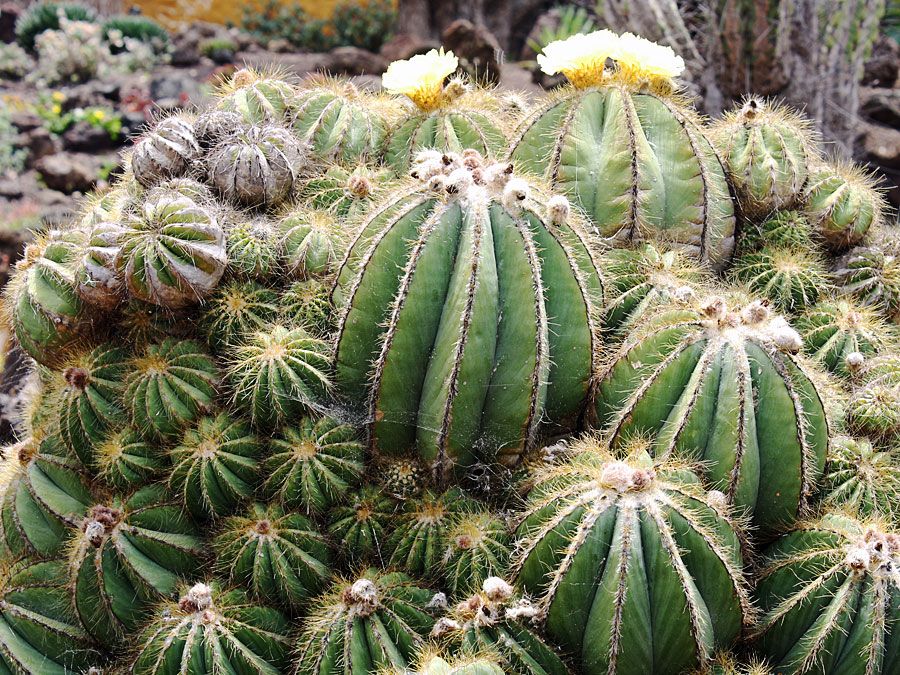
The term “ball cactus” can refer to two distinct groups of plants. Most commonly, it refers to the genus Parodia, a group of 60–70 species of cacti native to the grasslands of South America. These plants are typically small and globose to cylindroid in shape, often featuring deep ribs and clusters of spines. Popular cultivated varieties include the silver ball cactus and the golden ball cactus, both prized for their woolly appearance and colorful flowers.1
Additionally, the name is sometimes used to describe Neobessya missouriensis, a low-growing, tuberculated cactus characterized by short spines and yellow flowers that give it a ball-like appearance.2
What are the main differences between cacti and other succulents?
While all cacti are succulents, not all succulents are cacti. The term “succulent” is a broad category describing any plant with thick, fleshy tissues adapted for water storage. Cacti, which belong to the family Cactaceae, are a specific subset of these plants.34
The primary physical distinction between cacti and other succulents is the presence of areoles. Areoles are small, cushion-like structures unique to cacti from which spines, flowers, and branches grow. While other succulents may have thorns or sharp points, they lack these specialized structures.4
Other key differences include:
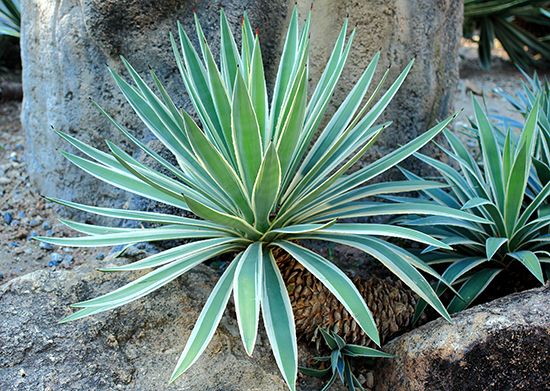
- Water Storage: Cacti store water primarily in their stems, which have often taken over the plant’s photosynthetic functions. Other succulents, such as agaves, store water mainly in their leaves.34
- Leaf Structure: In most cacti, leaves are absent, greatly reduced, or modified into spines to minimize water loss. Other succulents often retain functional, fleshy leaves.435
- Diversity: Succulents are found in more than 60 plant families, including Crassulaceae and Aizoaceae, whereas cacti are restricted to the family Cactaceae.34
How do cacti adapt to survive in dry grassland environments?
Cacti have evolved several specialized adaptations to survive in dry environments, including grasslands and deserts. Their primary survival strategies focus on water conservation and efficient resource management:
- Modified Anatomy: Most cacti lack conventional leaves, which minimizes the surface area available for water loss through transpiration. Instead, the stem has taken over photosynthetic functions and contains specialized storage cells filled with mucilaginous substances that help retain moisture.36
- Areoles and Spines: Cacti are distinguished by areoles, cushion-like structures that produce spines. These spines serve as modified leaves that reduce water loss and protect the plant from herbivores.6
- Crassulacean Acid Metabolism (CAM): To survive arid conditions, many cacti utilize crassulacean acid metabolism. Unlike most plants, they keep their stomata closed during the hot day to prevent water loss and open them at night to collect carbon dioxide, which is stored as malic acid for use in photosynthesis during the day.34
- Root Systems: Cacti typically possess thin, fibrous, and shallow root systems that spread widely to quickly absorb superficial moisture from infrequent rains.6
What role do spines and glochids play in protecting a cactus?
Spines and glochids are specialized structures that emerge from areoles—cushion-like structures unique to the Cactaceae family—and serve as vital defensive and adaptive tools for the plant.84
The Role of Spines
Spines are modified leaves that provide several critical functions for a cactus:
- Protection: They act as a physical deterrent against herbivores that might otherwise consume the moisture-rich tissues of the plant.89
- Thermal Regulation: Spines help protect the plant body from intense solar radiation by providing shade and radiating heat away from the stem during the day.89
- Water Collection: In some species, spines can collect and channel condensed water vapor during cooler nights, allowing the plant to capture moisture from the air.9
- Pollinator Attraction: Brightly colored spines may serve to attract potential pollinators to the plant.8
The Role of Glochids
Glochids are small, barbed bristles that also develop from the areoles, commonly found in genera such as prickly pear (Opuntia) and cholla. Unlike larger, stiff spines, glochids are designed to detach easily upon contact. Their primary role is to provide an additional, highly effective layer of defense against animals, as the barbs make them difficult to remove once they penetrate the skin or mouth of a potential predator.84
Sources
- ball cactus — Encyclopædia Britannica
- ball cactus — Merriam-Webster
- Succulent — Encyclopædia Britannica
- cactus — Encyclopædia Britannica
- houseplant - Succulents — Encyclopædia Britannica
- Plant - Specific variations in photosynthesis — Encyclopædia Britannica
- desertification - Grazing lands — Encyclopædia Britannica
- Caryophyllales - Cactaceae — Encyclopædia Britannica
- Angiosperm - Leaf modifications — Encyclopædia Britannica
Published on · 3 min read