Corydalis
Corydalis is a genus comprising more than 400 species of herbaceous flowering plants belonging to the poppy family (Papaveraceae). These plants are primarily…
What is corydalis?
Corydalis is a genus comprising more than 400 species of herbaceous flowering plants belonging to the poppy family (Papaveraceae). These plants are primarily found in the Sino-Himalayan region, though they also grow throughout north temperate areas and parts of eastern Africa.1
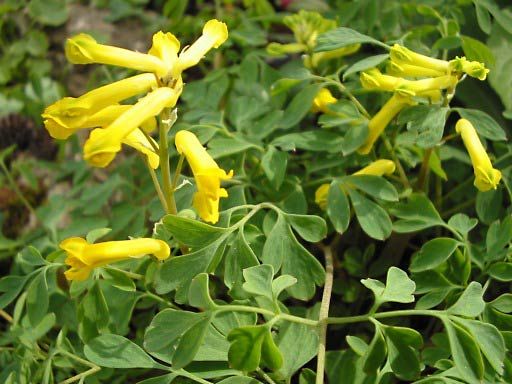
Physically, these annuals or perennials often feature underground tubers or rhizomes and finely dissected leaves. Their flowers are typically tubular with two dissimilar pairs of petals. While many species are cultivated as garden ornamentals—such as the yellow corydalis—the root tubers of certain Asian species are used in Eastern medicine to address conditions like fibromyalgia and high blood pressure. However, it is important to note that clinical studies supporting these medicinal uses are currently lacking.1
What other plants belong to the poppy family?
The poppy family, Papaveraceae, is a diverse group of flowering plants consisting of 48 genera and approximately 2,220 species. While many are popular garden ornamentals, the family is also noted for its pharmaceutical significance.23
Common plants within this family include:
- Bleeding heart (Lamprocapnos spectabilis and various Dicentra species)
- Bloodroot (Sanguinaria canadensis)
- California poppy (Eschscholzia californica)
- Celandine poppy (genus Stylophorum) and greater celandine (Chelidonium majus)
- Creamcups (Platystemon californicus)
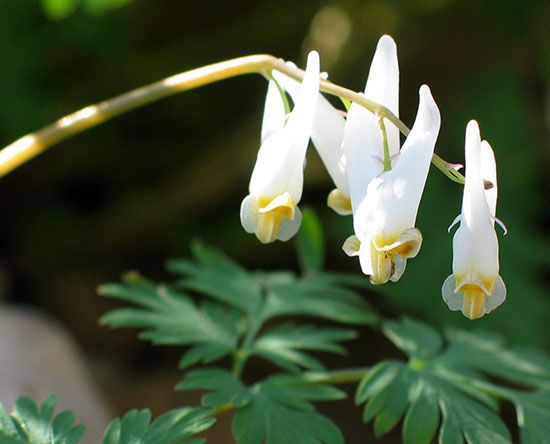
- Dutchman’s breeches (Dicentra cucullaria)
- Fumitory (genus Fumaria)
- Horned poppy (genus Glaucium)
- Mexican tulip poppy (Hunnemannia fumariifolia)
- Opium poppy (Papaver somniferum)
- Prickly poppy (genus Argemone)
- Squirrel corn (Dicentra canadensis)
- Tree poppy (Dendromecon rigida)
These plants generally feature bisexual, dish-shaped flowers and produce capsule fruits, though they vary from herbaceous plants to small tropical trees.23
How do annuals and perennials differ?
The primary difference between annuals and perennials lies in the duration of their life cycles.
- Annuals are plants that complete their entire life history—germinating from seeds, maturing, flowering, and producing new seeds—within a single growing season. Once this cycle is finished, the plant dies, and the seed is the only part that survives to the next season. Common examples include corn, wheat, and marigolds.567
- Perennials are plants that live for an indefinite number of years, regrowing and reblooming season after season. This category includes woody plants like trees and shrubs, as well as many herbaceous plants that renew their top growth annually from a perennating part, such as a root or tuber.57
Additionally, some plants are classified as biennials, which complete their life cycle over two growing seasons; they typically produce vegetative growth in the first year and flowers, fruits, and seeds in the second before dying.87
What are some common garden ornamentals?
Garden ornamentals are typically categorized by their growth habits and life cycles, allowing gardeners to create diverse and layered landscapes. Common choices include:
Herbaceous Perennials
These plants persist and regrow year after year, often valued for their seasonal flowers. Popular examples include:
- Hollyhocks
- Columbines
- Bellflowers
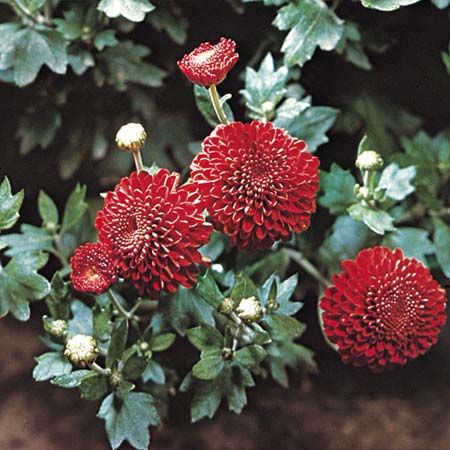
- Chrysanthemums
- Phlox
- Poppies
- Primroses
- Speedwells9
Shrubs and Climbers
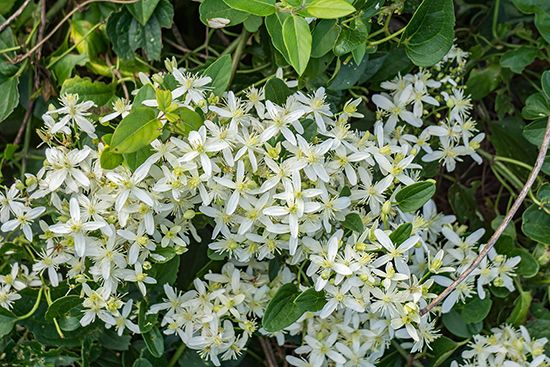
Woody plants often form the structural backbone of a garden. Common shrubs include lilac, privet, forsythia, mock orange, and hydrangea. For vertical interest, gardeners often use climbers like trumpet creeper, clematis, wisteria, and morning glory.5
Roses and Other Flowering Plants
Roses are a staple of many gardens, ranging from shrub varieties to hybrid teas. Additionally, many gardeners incorporate bulbs for early spring color and various annuals to fill gaps in borders throughout the growing season.1011
Sources
- corydalis — Encyclopædia Britannica
- list of plants in the family Papaveraceae — Encyclopædia Britannica
- Papaveraceae — Encyclopædia Britannica
- opium poppy — Encyclopædia Britannica
- Is That Plant 'Perennial' or 'Annual'? — Merriam-Webster
- annual — Encyclopædia Britannica
- biennial — Encyclopædia Britannica
- plant - Classification of angiosperms — Encyclopædia Britannica
- horticulture - Herbaceous perennials — Encyclopædia Britannica
- houseplant - Flowering plants — Encyclopædia Britannica
- gardening - Shrubs and vines (climbers) — Encyclopædia Britannica
- gardening - Flower gardens — Encyclopædia Britannica
- horticulture - Temperate zones — Encyclopædia Britannica
Published on · 3 min read