Cimarron River
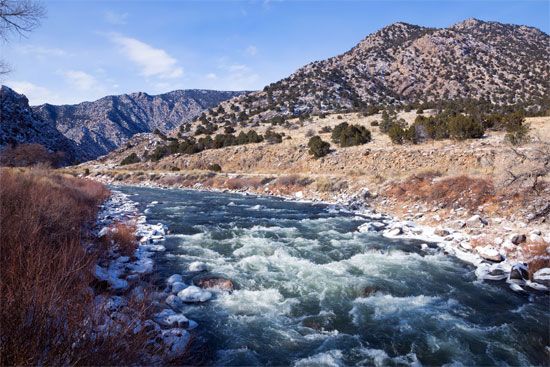
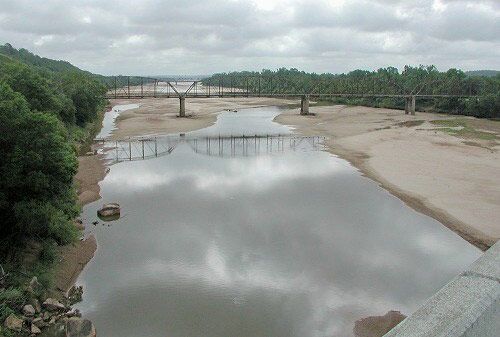
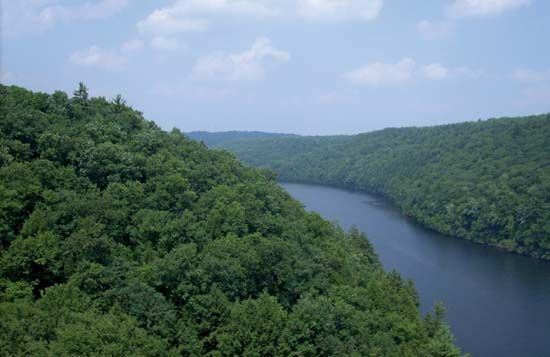
The Cimarron River serves as a significant tributary within the Arkansas River basin. Rising in northeastern New Mexico, the river flows 698 miles through…
How does the Cimarron River contribute to the larger Arkansas River basin?
The Cimarron River serves as a significant tributary within the Arkansas River basin. Rising in northeastern New Mexico, the river flows 698 miles through the Oklahoma Panhandle, Colorado, and Kansas before reentering Oklahoma to join the Arkansas River near Tulsa.12
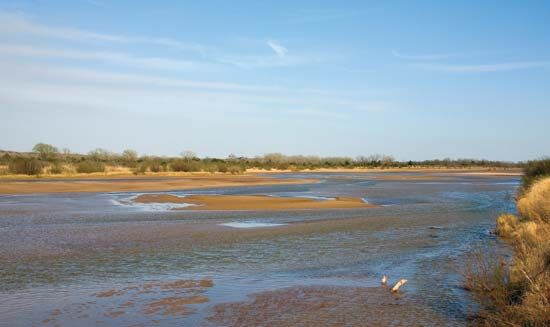
Within the broader drainage basin of the Arkansas River—which spans 161,000 square miles—the Cimarron is identified as one of the river’s main tributaries in its Oklahoma reach, alongside the Salt Fork, Verdigris, Grand, and Canadian rivers. While the Cimarron is unnavigable and experiences seasonal fluctuations in its upper reaches, its confluence with the Arkansas River contributes to the overall volume and hydrological network of the basin as it continues toward the Mississippi River.31
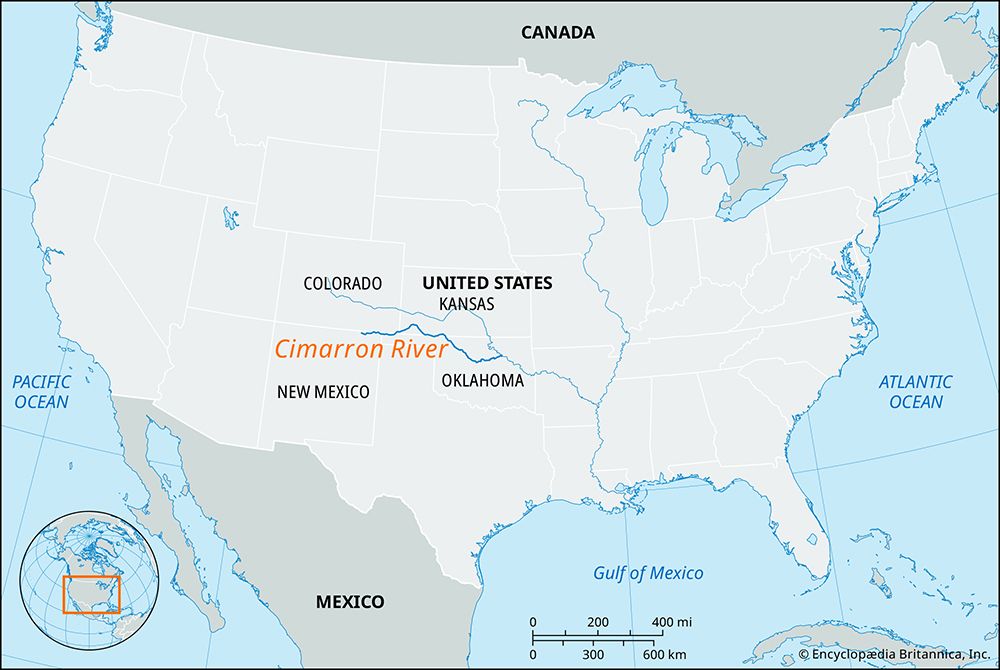
What is the length of the Cimarron River and how does it compare to other rivers in the United States?
The Cimarron River that flows into the Arkansas River has a length of 698 miles (1,123 km). It is important to note that there is another, shorter stream also named the Cimarron River in New Mexico, which flows for 55 miles (88 km) into the Canadian River.12
When compared to major river systems in the United States, the 698-mile Cimarron is significantly shorter than the nation’s primary arterial rivers. For context, the Mississippi River system—which includes the Missouri River—stretches over 3,700 miles (5,971 km). Furthermore, while many of the largest U.S. rivers serve as vital inland waterways, the Cimarron is unnavigable and characterized by seasonal flow, often becoming dry in its upper reaches, which is a common trait among many Great Plains tributaries.415
Are there any dams or reservoirs built on the Cimarron River, and what purpose do they serve?
There are no major dams or reservoirs located on the 698-mile Cimarron River that flows into the Arkansas River. This river is characterized by its seasonal flow, often remaining dry in its upper reaches, and it does not support large-scale water impoundment projects.1
In contrast, the shorter 55-mile Cimarron River in New Mexico, which is a tributary of the Canadian River, features the Eagle Nest Dam. Constructed in 1917, this dam impounds a reservoir at the river’s source, which is utilized for irrigation and power generation.5
What recreational activities are popular along the Cimarron River?
The 698-mile Cimarron River that flows into the Arkansas River is largely unnavigable and characterized by seasonal flow, which limits traditional water-based recreation along much of its course.
In contrast, the 55-mile Cimarron River in New Mexico is a well-known recreational destination. Because it flows through Cimarron Canyon State Park and portions of the Philmont Scout Ranch, it is particularly renowned for:
- Trout fishing: The river is a popular spot for anglers seeking trout in the scenic canyon environment.1
- Outdoor exploration: The surrounding state park and ranch lands provide opportunities for hiking and enjoying the natural landscape of northeastern New Mexico.1
While the longer Cimarron River is historically significant for its role in the Santa Fe Trail, the provided information does not detail specific recreational activities for that section of the river.5
Sources
- Cimarron River — Encyclopædia Britannica
- Arkansas River — Encyclopædia Britannica
- Cimarron — Merriam-Webster
- world’s longest rivers — Encyclopædia Britannica
- Cimarron River — Encyclopædia Britannica
- United States - The Eastern systems — Encyclopædia Britannica
Published on · 2 min read