Cissus
Cissus is a genus comprising approximately 350 species of chiefly woody, tropical and subtropical vines belonging to the grape family (Vitaceae). These…
What is Cissus?
Cissus is a genus comprising approximately 350 species of chiefly woody, tropical and subtropical vines belonging to the grape family (Vitaceae). These plants are closely related to the grape but are distinguished by their tetramerous flowers and often fleshy or succulent leaves.12
Several species are well-known for their specific characteristics or uses:
- C. incisa, or ivy treebine, is native to the southern United States and can grow up to 9 meters long.1
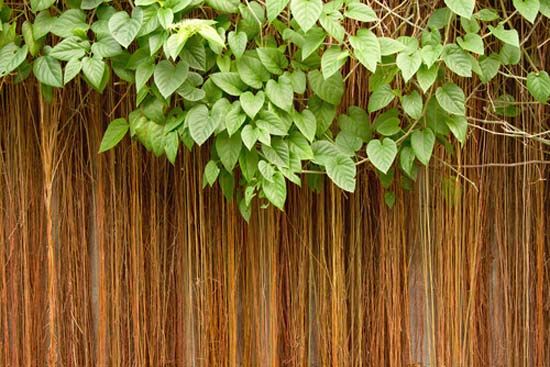
- C. sicyoides, known as waterwithe treebine, is noted for its long, slender aerial roots.1
- C. rhombifolia (grape ivy) and C. antarctica (kangaroo vine) are frequently cultivated as indoor vines.1
The name is derived from the Greek word kissos, meaning ivy.2
What are the main characteristics of the Vitaceae family?
The Vitaceae family, commonly known as the grape family, consists of approximately 16 genera and 770 species of flowering plants, primarily found in tropical and warm temperate regions. While you may have encountered information regarding the Viscaceae family, it is important to note that Viscaceae is a distinct group of semiparasitic mistletoes and is not part of the Vitaceae family.34
The main characteristics of the Vitaceae family include:
- Growth Habit: Most members are woody vines or lianas that typically feature tendrils for climbing.53
- Stem and Leaf Structure: Stems are often strongly lenticellate and feature swollen leaf nodes. Leaves are frequently palmately compound or lobed.3
- Inflorescence: They are characterized by flat-topped flower clusters (cymes) that emerge on the side of the stem opposite the leaf.3
- Flowers: The flowers are generally small and greenish, with stamens that are equal in number to and positioned opposite the petals.3
- Fruit: The family produces few-seeded berries, the most economically significant being the grape.53
How do aerial roots help vines survive in tropical environments?
In tropical environments, aerial roots are essential adaptations that allow vines and other plants to thrive in a competitive, light-limited ecosystem. These adventitious roots provide several critical survival functions:
- Anchorage and Support: Many climbing plants use specialized aerial roots to grip supports, such as tree trunks or rocks, allowing them to ascend toward the canopy where sunlight is more abundant. This mechanical support enables vines to reach the well-lit upper layers of the forest without investing the energy required to develop massive, self-supporting trunks.78
- Attachment for Epiphytes: For plants that grow above the ground, such as various epiphytes, aerial roots serve as the primary means of attachment to non-soil surfaces.7
- Nutrient and Water Access: While some aerial roots function primarily for support, they can also assist in the plant’s overall survival strategy. In the case of strangler figs, roots descend from high branches to reach the soil, eventually forming a lattice that allows the plant to access ground-based nutrients and water while simultaneously outcompeting the host tree.8
- Photosynthesis: In certain species, aerial roots exposed to the air may also play a role in photosynthesis, contributing to the plant’s energy requirements.9
What are some common challenges of growing tropical vines indoors?
Growing tropical vines indoors presents several challenges, primarily because these plants are native to warm, humid environments that differ significantly from typical indoor living spaces.
The most common difficulties include:
- Dry Heat: Many indoor environments feature low humidity, which can be detrimental to tropical species that thrive in moisture-rich conditions.1112
- Low Light Intensity: Tropical vines often require bright, filtered light to flourish. Indoor settings frequently provide insufficient light, which can hinder growth and vitality.11
- Environmental Adaptation: While many tropical plants can adapt to indoor life, some exotic species are highly sensitive and may only survive in specialized environments like a conservatory or a terrarium where humidity and light can be strictly controlled.11
To succeed, it is best to select species known for their ability to adjust to the warm, dry conditions of a home. Plants that struggle with these factors are often considered more demanding and may require extra care to maintain their health.12
Sources
- Cissus — Encyclopædia Britannica
- cissus — Merriam-Webster
- Vitaceae — Encyclopædia Britannica
- Vitales — Encyclopædia Britannica
- Viscaceae — Encyclopædia Britannica
- Vitaceae — Merriam-Webster
- adventitious root — Encyclopædia Britannica
- aerial root — Merriam-Webster
- tree - Tree roots — Encyclopædia Britannica
- Tropical rainforest - General structure of the rainforest — Encyclopædia Britannica
- houseplant - Types of houseplants — Encyclopædia Britannica
- houseplant — Encyclopædia Britannica
Published on · 3 min read