Citrus
Citrus is a genus of plants in the rue family (Rutaceae) that produces pulpy, edible fruits characterized by thick, leathery, and oil-studded rinds. These…
What is Citrus?
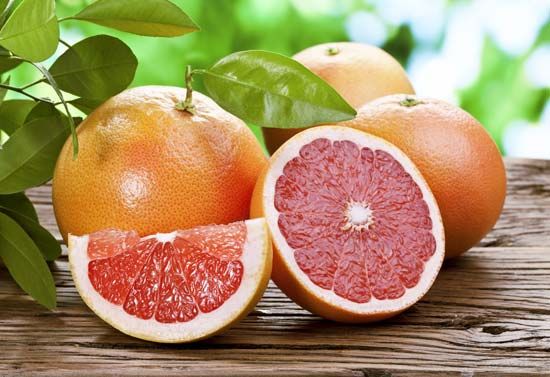
Citrus is a genus of plants in the rue family (Rutaceae) that produces pulpy, edible fruits characterized by thick, leathery, and oil-studded rinds. These plants typically grow as evergreen trees or shrubs with glossy leaves, and many species feature thorns.1
The fruits themselves are a type of modified berry known as a hesperidium, consisting of segments filled with juice-packed vesicles. Economically significant members of this group include:1
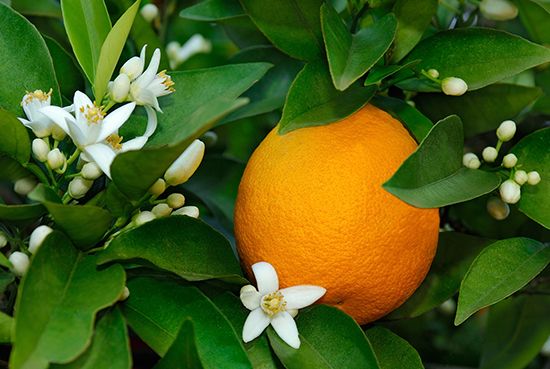
- Sweet orange (C. ×sinensis)
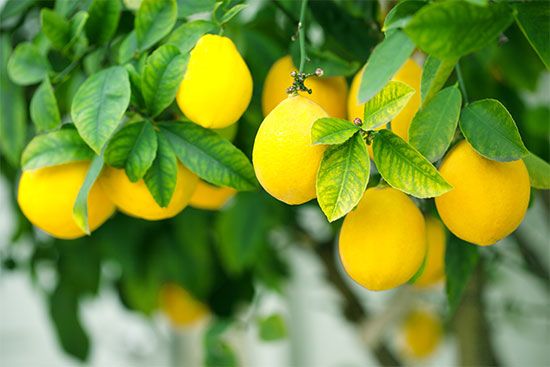
- Lemon (C. ×limon)
- Lime (C. ×aurantiifolia)
- Grapefruit (C. ×paradisi)
- Tangerine (C. reticulata)
- Citron (C. medica)
Citrus fruits are widely recognized as excellent sources of vitamin C and are associated with various health benefits, including potential protection against certain chronic diseases.2
What is a hesperidium and why is it unique to citrus fruits?
A hesperidium is a specialized type of botanical berry characterized by a leathery, oil-studded rind. It is unique to the Citrus genus because of its distinct internal structure: the fruit is derived from a single ovary and features flesh divided into segments that are packed with tiny, juice-filled vesicles.61
While many fruits are classified as berries, the hesperidium is distinguished by its thick, leathery skin—often referred to as the rind—which contains oil glands. This structural configuration is a defining trait of citrus fruits, such as oranges, lemons, and limes, setting them apart from other fleshy fruits like drupes or pomes. The term itself is derived from the Hesperides of Greek mythology, based on the historical, albeit imaginative, notion that the golden apples in their garden were actually citrus fruits.617
How does vitamin C help the human body stay healthy?
Vitamin C is an essential organic compound that the human body cannot synthesize on its own, making dietary intake vital for health. It supports the body through several critical functions:11
- Collagen Synthesis: It is required for the production of collagen, a structural protein necessary for the maintenance and repair of skin, bones, blood vessels, and connective tissues.1112
- Antioxidant Protection: As a powerful antioxidant, it donates electrons to neutralize free radicals, protecting cells from oxidative damage.11
- Immune Support: It plays a key role in stimulating the immune system, helping the body defend against illness.11
A deficiency in this vitamin leads to scurvy, a condition marked by fatigue, joint pain, poor wound healing, and bleeding gums. Because the body does not store large amounts, consistent consumption through citrus fruits and fresh vegetables is necessary to maintain health.1112
What are some of the most common pests or diseases that affect citrus trees?
Citrus trees are susceptible to a variety of pests and diseases that can significantly impact crop health and yield. Below are some of the most common threats:
Common Diseases
- Citrus Greening: A destructive disease caused by a bacterium (Liberibacter) and transmitted by insects known as plant lice or psyllids. It is characterized by yellow mottling of leaves, progressive yellowing of the entire plant, and the production of small, misshapen fruits that often retain a green color even when ripe.13
- Psorosis: Caused by a group of viruses, this disease is primarily spread through bud grafting. It can cause stunted growth and reduce fruit yields by one-third or more. Symptoms include leaf flecking, ring patterns on fruit, and scaly, pustule-filled bark on older trees.14
- Citrus Canker: A serious bacterial disease that has required intensive eradication programs, such as the destruction of infected trees, to manage its spread in regions like the southeastern United States.15
Common Pests
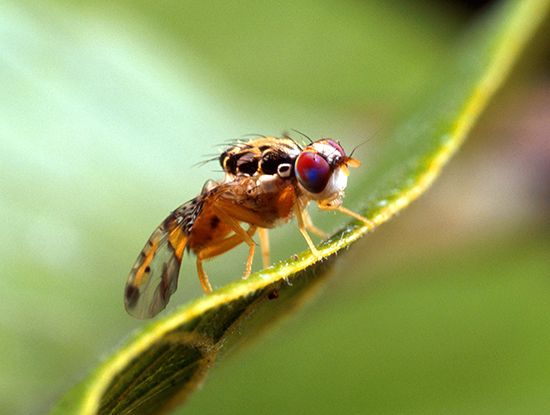
- Fruit Flies: Several species, such as the Mexican fruit fly and the Mediterranean fruit fly, are major threats. These insects lay eggs in the fruit, and the resulting larvae tunnel into the flesh, rendering it unfit for human consumption.16
- Scale Insects: These pests can produce enormous populations on twigs, limbs, and fruit. When a tree becomes encrusted with layers of scales, it can lead to the death of the plant.17
- Homopterans: This group includes various sap-sucking insects like aphids and psyllids. Beyond direct damage from feeding, they often act as vectors for viral and bacterial diseases and can lead to the growth of sooty mold on fruit due to the excretion of honeydew.17
Sources
- Citrus — Encyclopædia Britannica
- citrus fruit — Merriam-Webster
- A Kiwi a Day — Encyclopædia Britannica
- Lime — Encyclopædia Britannica
- Orange — Encyclopædia Britannica
- hesperidium — Merriam-Webster
- hesperidate — Merriam-Webster
- citron — Encyclopædia Britannica
- hesperidin — Merriam-Webster
- berry — Encyclopædia Britannica
- vitamin C — Encyclopædia Britannica
- scurvy — Encyclopædia Britannica
- citrus greening — Merriam-Webster
- Fruit fly — Encyclopædia Britannica
- Plant disease - Eradication — Encyclopædia Britannica
- homopteran - Importance — Encyclopædia Britannica
- Psorosis — Encyclopædia Britannica
- Fruit farming - Soil management — Encyclopædia Britannica
Published on · 3 min read