Mediterranean Fruit Fly
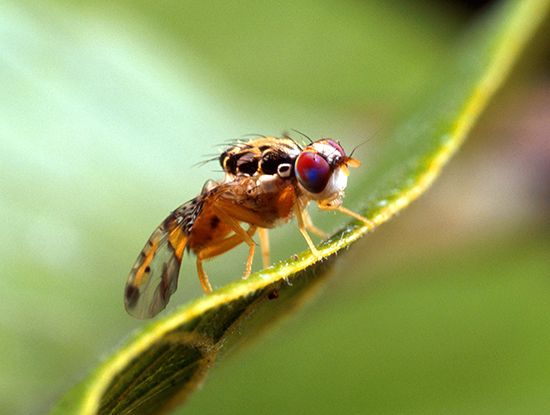
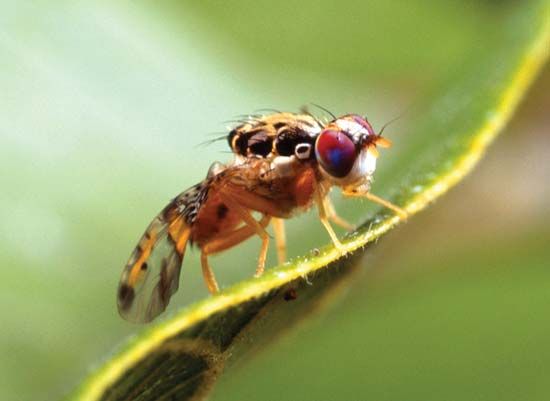
The Mediterranean fruit fly (Ceratitis capitata), also known as the medfly, is a small, yellowish-brown insect native to Europe and Africa. It is considered…
What is Mediterranean fruit fly?
The Mediterranean fruit fly (Ceratitis capitata), also known as the medfly, is a small, yellowish-brown insect native to Europe and Africa. It is considered a highly destructive and costly agricultural pest.12
The female medfly lays up to 500 eggs inside various citrus fruits, with the notable exception of lemons and sour limes. Once hatched, the larvae tunnel into the flesh of the fruit, rendering it unfit for human consumption.32
First discovered in Florida in 1929, the species has since appeared in California and is established in Hawaii. Due to the significant economic damage caused by these infestations, many countries have implemented strict quarantine laws to regulate the international movement of produce. Control measures often include the use of insecticides, the destruction of infested crops, and biological control via parasites.32
How do quarantine laws help prevent the spread of invasive pests?
Quarantine laws play a critical role in agricultural security by serving as a preventive measure to stop the introduction and spread of invasive pests and pathogens into new regions. These regulations, which have been adopted by more than 150 countries, function through several key mechanisms:43
- Exclusion and Embargoes: Federal and state governments establish quarantines or embargoes to restrict the movement of plants, seeds, and agricultural products from areas known to harbor destructive pests. This is essential for protecting regions that are currently free of specific infestations.4
- Inspection and Certification: Authorities often require the inspection and certification of planting stock to ensure that goods are free from disease before they are permitted to enter a country or region.4
- Regulation of Trade: Because the global transport of goods and people has facilitated the spread of exotic pests, quarantine laws regulate the international movement of produce to mitigate these risks. For example, specific regulations were developed globally to manage the entry of fruits susceptible to the Mediterranean fruit fly.53
- Standardization: International agreements help standardize these procedures, ensuring that control measures are effective and consistent across borders.64
By focusing on exclusion rather than curative treatments, these laws act as a primary line of defense in modern integrated pest management strategies.73
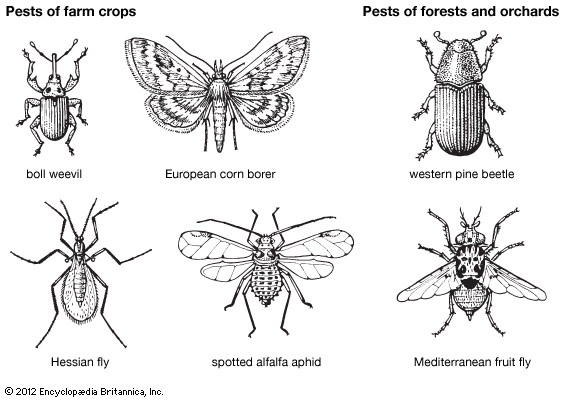
What are some other types of agricultural pests that damage crops?
Beyond insects, several other types of organisms act as agricultural pests, causing significant damage to crops worldwide. In modern agricultural usage, the term “pest” encompasses a broad range of biological threats.9
Major Categories of Agricultural Pests
- Plant Diseases: These are caused by bacteria, fungi, and viruses. They can range from mild damage to the total destruction of a crop. Examples include potato blight, chestnut blight, and various wilts and rots that affect everything from grains to fruit trees.10911
- Nematodes: These microscopic worms live in the soil and can cause wholesale destruction of crops, particularly in regions with fluctuating weather. Their damage is often mistaken for the effects of unfavorable weather conditions.10
- Weeds: Unwanted plants that compete with crops for space, nutrients, and sunlight are also classified as pests, as they can significantly reduce agricultural yields.12
Impact and Transmission
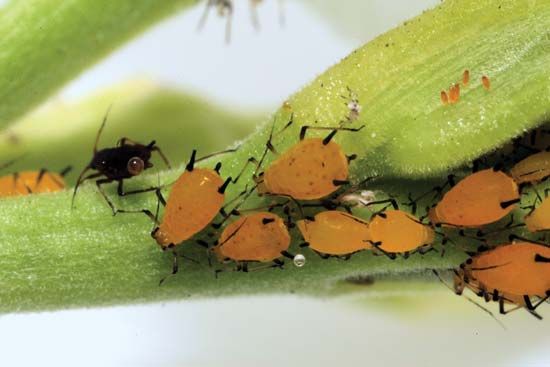
Many of these pests are interconnected. For instance, many plant virus diseases are transmitted by insect carriers, such as aphids or leafhoppers, meaning the control of one pest often requires managing another. Furthermore, invasive species that arrive in new habitats without their natural predators can thrive, leading to severe economic and ecological disruption.1310121415
How do scientists use parasites to control insect populations?
Scientists use parasites as a form of biological control to manage and reduce insect pest populations in an environmentally sound manner. This approach involves introducing natural enemies into an environment or encouraging existing populations to multiply and become more effective.1617
How Parasites Function
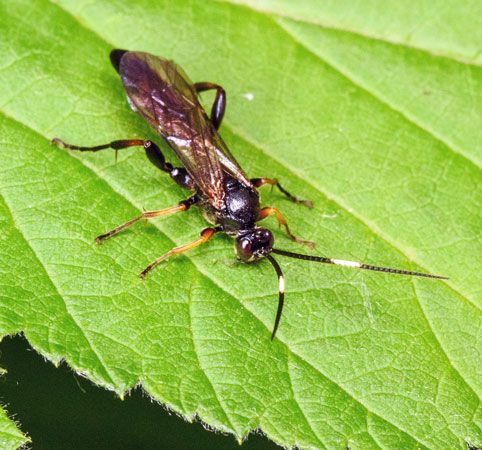
Many parasitic insects, such as braconid wasps, are classified as parasitoids. Their larvae develop on or within the bodies of other arthropods, eventually exhausting the host’s tissues and fluids.18
- Endoparasitic: The female lays eggs inside the host’s eggs or larvae, where the developing wasp remains until it is ready to pupate.18
- Ectoparasitic: The larvae develop on the exterior of the host, sometimes after the adult female has paralyzed the host with her ovipositor.18
Implementation in Agriculture
Biological control is often integrated into integrated pest management (IPM) programs, which combine various strategies to minimize reliance on chemical pesticides. By releasing specific parasites—such as those used to combat the cabbage butterfly or the tobacco hornworm—scientists can keep pest infestations within manageable limits.19718
Sources
- Mediterranean fruit fly — Merriam-Webster
- Fruit fly — Encyclopædia Britannica
- Mediterranean fruit fly — Encyclopædia Britannica
- quarantine — Encyclopædia Britannica
- horticulture - Pest control — Encyclopædia Britannica
- Plant disease - Exclusion and avoidance — Encyclopædia Britannica
- Pest — Encyclopædia Britannica
- Agricultural technology - Mechanical and cultural controls — Encyclopædia Britannica
- insect - Damage to growing crops — Encyclopædia Britannica
- Agricultural technology - Control of plant diseases and nematodes — Encyclopædia Britannica
- Origins of agriculture - Beginnings of pest control — Encyclopædia Britannica
- Plant disease - Control — Encyclopædia Britannica
- list of plant diseases — Encyclopædia Britannica
- invasive species — Encyclopædia Britannica
- insect - Ecological factors — Encyclopædia Britannica
- Agricultural technology - Biological controls — Encyclopædia Britannica
- Biological control — Encyclopædia Britannica
- braconid wasp — Encyclopædia Britannica
- Integrated pest management — Encyclopædia Britannica
- integrated pest management — Merriam-Webster
Published on · 4 min read