Coccolith
A coccolith is a minute, plate-like structure made of calcium carbonate that is secreted by coccolithophores—tiny, mostly marine planktonic organisms. These…
What is Coccolith?
A coccolith is a minute, plate-like structure made of calcium carbonate that is secreted by coccolithophores—tiny, mostly marine planktonic organisms. These plates are embedded within the cell membranes of the living organism.12
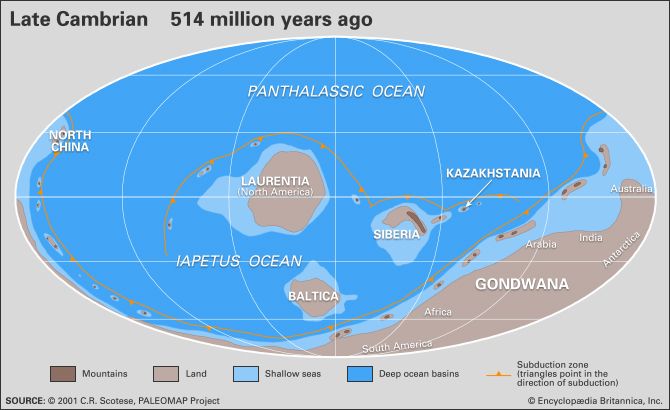
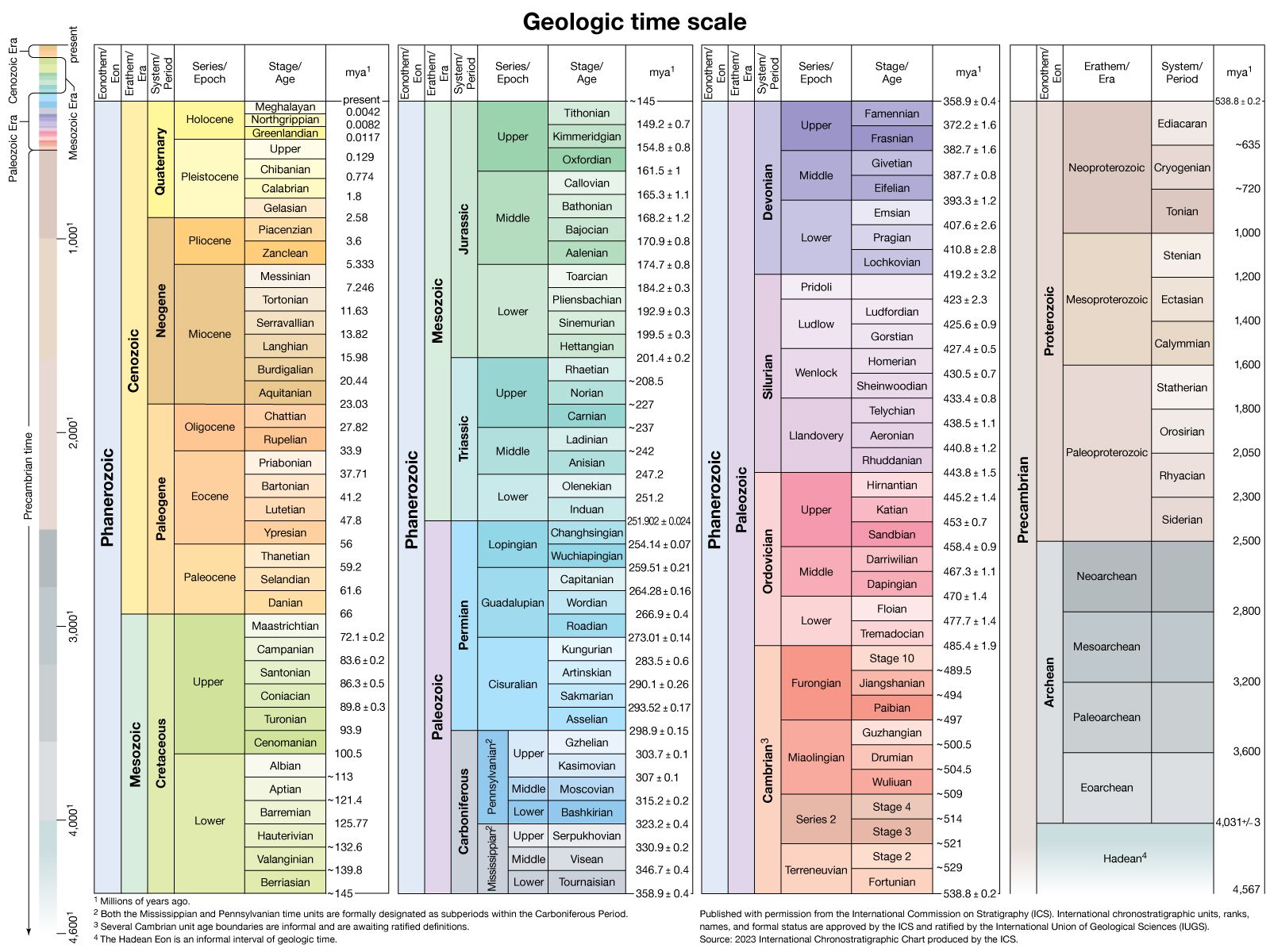
When these organisms die, their coccoliths settle on the ocean floor, where they accumulate to form a gray sediment known as deep-sea ooze. These structures are also significant in the geological record, with fossilized forms dating back to the Cambrian Period. Because they are a primary component of chalk and deep-sea deposits, they provide valuable insights into Earth’s history.12
The classification of the organisms that produce them remains a subject of scientific discussion; they are sometimes categorized as protozoans or as algae, depending on whether the researcher is a zoologist or a botanist.1
How do coccolithophores contribute to the ocean’s carbon cycle?
Coccolithophores play a significant role in the ocean’s carbon cycle through two primary mechanisms: biological carbon fixation and the production of calcium carbonate structures.
- Photosynthesis: As marine algae, coccolithophores perform photosynthesis, absorbing atmospheric carbon dioxide and converting it into organic carbon within their tissues. This carbon is subsequently integrated into marine food chains as they are consumed by other organisms.1
- Calcification and Sedimentation: Coccolithophores secrete coccoliths, which are plates composed of calcium carbonate. When these organisms die, their remains—including these heavy mineral plates—sink to the ocean floor. This process effectively transports carbon to the deep ocean, where it accumulates as sediment, contributing to long-term carbon storage.41
However, this cycle is currently threatened by ocean acidification. As rising levels of atmospheric CO₂ increase the acidity of seawater, the concentration of carbonate ions decreases. This makes it more difficult for calcifying organisms to build and maintain their structures, potentially disrupting their ability to sequester carbon and impacting the stability of marine ecosystems.1
What role do these tiny fossils play in studying past climates?
Coccoliths serve as vital indicators for reconstructing Earth’s climatic history through their presence in deep-sea sediment cores. Because these coccolithophores are highly sensitive to their environment, their distribution patterns in the fossil record allow scientists to map past changes in ocean conditions.1
Researchers analyze these minute fossils to track shifts in oceanic zones. For instance, the subpolar convergence zone—a region of high productivity—shifted toward the equator during the last glacial stage and migrated back toward the poles as global waters warmed during the Holocene Epoch. By observing these shifts, scientists can infer historical changes in water temperature and the movement of oceanic currents.1
Furthermore, the study of carbonate plankton distribution helps researchers evaluate past oceanic circulation rates. By comparing the abundance and location of these fossils across different geological layers, scientists can better understand how atmospheric-oceanic coupling and the presence of sea ice influenced global climate patterns over millions of years.1
How do scientists classify these organisms between plants and animals?
Scientists do not classify coccolithophores strictly as either plants or animals, as these organisms occupy a complex position in biological taxonomy that has evolved significantly over time.61
Historically, the classification of these organisms has been a subject of debate among specialists:
- Zoologists have often placed them within the protozoan order Chrysomonadida, reflecting their motile, flagellated nature.1
- Botanists have traditionally included them in the algal division Chrysophyta (or more recently, the class Prymnesiophyceae) because they possess yellow-to-brown chromatophores, which allow them to perform photosynthesis.17
Modern biological classification has moved away from the rigid, morphology-based “plant vs. animal” systems of the past. Instead, contemporary science emphasizes phylogeny—the evolutionary history of a species—often utilizing genomic data and ribosomal RNA sequencing. Under current phylogenetic frameworks, the traditional kingdoms of Animalia and Plantae are no longer viewed as separate from the diverse group of organisms known as protists. Consequently, coccolithophores are recognized as part of a complex, nonhierarchical tree of life where their specific placement continues to be refined as new biochemical and microscopic techniques emerge.6
Sources
- Coccolith — Encyclopædia Britannica
- coccolithophore — Merriam-Webster
- coccolith — Merriam-Webster
- ocean acidification — Encyclopædia Britannica
- Holocene Epoch - Deep oceanic deposits — Encyclopædia Britannica
- Protozoan - General principles — Encyclopædia Britannica
- Algae - Annotated classification — Encyclopædia Britannica
Published on · 3 min read