Cockspur Island
Cockspur Island, located in the Savannah River in Georgia, served as a critical site for coastal defense during the American Civil War. The island was home…
What role did Cockspur Island play during the American Civil War?
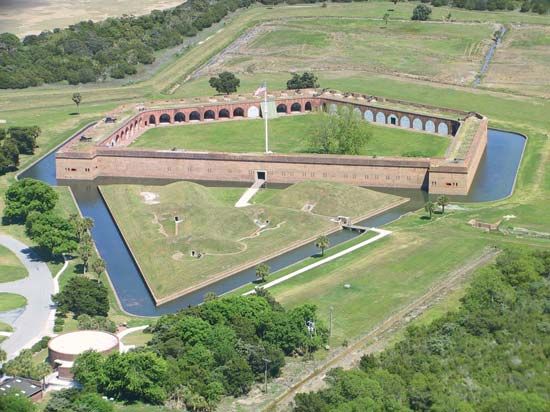
Cockspur Island, located in the Savannah River in Georgia, served as a critical site for coastal defense during the American Civil War. The island was home to Fort Pulaski, which was seized by Confederate forces in January 1861 at the onset of the conflict.1
The fort’s strategic importance lay in its ability to guard the port of Savannah. In 1862, Union troops bombarded and captured the fort, effectively cutting off the city to Confederate blockade runners. This engagement was historically significant as it marked the first combat use of rifled artillery; the ease with which these weapons breached the fort’s masonry walls signaled the end of traditional masonry fort construction. Today, the site is preserved as the Fort Pulaski National Monument.12
How does Cockspur Island’s location affect maritime traffic in the area?
Cockspur Island is situated at the mouth of the Savannah River in Georgia, a location that has historically made it a vital point for monitoring and controlling maritime traffic.1
Because of its strategic position, the island has long served as a hub for maritime oversight:
- Customs and Quarantine: In the early 19th century, the island was used to inspect ships for customs purposes and to enforce quarantine regulations.1
- Slave Trade Regulation: The island served as a site for inspecting slave-trading ships.1
- Defense and Blockades: During the American Civil War, the presence of Fort Pulaski allowed forces to control access to the port of Savannah. By capturing the fort in 1862, Union forces were able to effectively cut off all maritime traffic to the city.1
Today, the area is primarily preserved as the Fort Pulaski National Monument, protecting both the historic structure and the surrounding natural habitats.1
Can you describe the Fort Pulaski National Monument located on Cockspur Island?
Fort Pulaski National Monument is a protected site established in 1924 that encompasses approximately 9 square miles (23 square km) across Cockspur and neighboring McQueens islands in southeastern Georgia.1
The monument centers on the historic Fort Pulaski, a masonry fortification constructed between 1829 and 1847 to bolster coastal defenses at the mouth of the Savannah River. Named for the Revolutionary War officer Kazimierz Pulaski, the fort is historically significant for its role in the American Civil War. During the 1862 Union bombardment of the site, the successful use of rifled artillery against the fort’s walls effectively rendered traditional masonry defenses obsolete.13
Today, the monument serves to preserve the restored fort structure while protecting the diverse wildlife habitats found within the surrounding coastal landscape.1
Are there any notable wildlife or ecosystems present on Cockspur Island?
Cockspur Island, located at the mouth of the Savannah River, is home to significant coastal ecosystems that are protected as part of the Fort Pulaski National Monument.1
The island’s environment is characterized by salt marsh habitats, which are among the most productive natural systems on Earth. These areas are typically dominated by halophytic vegetation, such as salt marsh grasses, sedges, and rushes, which are specially adapted to survive in saline conditions.14
These marsh ecosystems support a diverse array of wildlife:
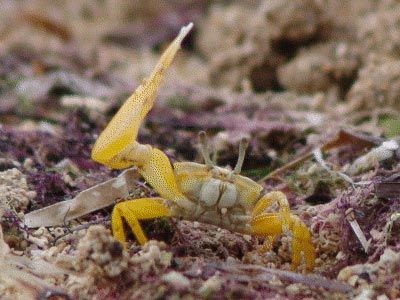
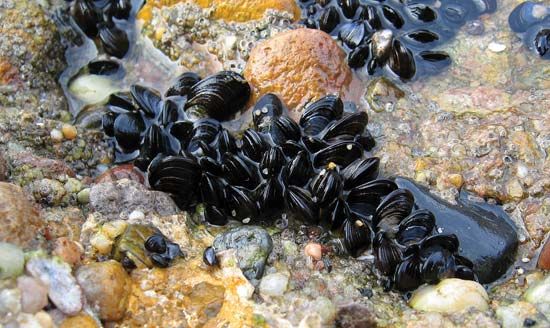
- Invertebrates: The mud and vegetation provide habitat for various species, including fiddler crabs, mussels, oysters, and shrimps.45
- Fish: The marsh serves as a vital nursery ground for many fish species, such as flounders, which find abundant food and protection from predators within the grasses.5
- Insects: Various insects are common residents, often moving up plants to avoid saltwater immersion during high tides.4
Sources
- Cockspur Island — Encyclopædia Britannica
- American Civil War - The naval war — Encyclopædia Britannica
- Fort Pulaski National Monument — Merriam-Webster
- Marsh — Encyclopædia Britannica
- Salt marsh — Encyclopædia Britannica
- estuary - Primary productivity — Encyclopædia Britannica
Published on · 3 min read