Oyster
Pearls are formed when a foreign particle, such as a grain of sand or a parasite, enters a mollusk and becomes trapped within its soft tissue. To protect…
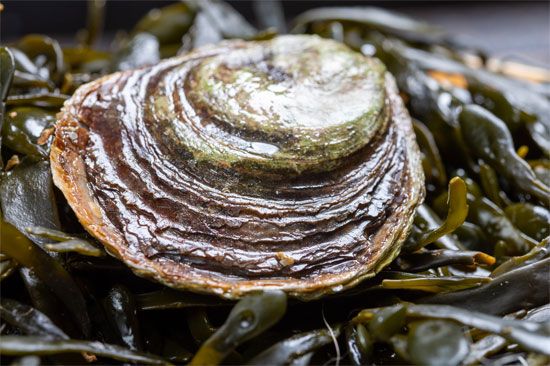
How do oysters form pearls, and what factors influence pearl quality?
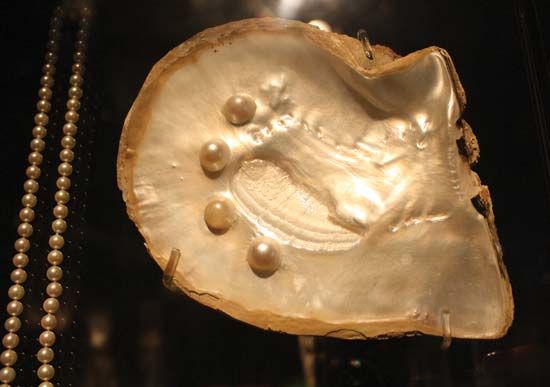
Pearls are formed when a foreign particle, such as a grain of sand or a parasite, enters a mollusk and becomes trapped within its soft tissue. To protect itself from this irritation, the oyster’s mantle secretes nacre—a substance composed primarily of aragonite and conchiolin—to coat the intruder. Over several years, the oyster deposits concentric layers of this material, gradually building the pearl.123
Several factors influence the quality and value of a pearl:
- Shape: Perfectly spherical or droplike shapes are the most highly valued, while irregularly shaped specimens are known as baroque pearls.13
- Lustre: A deeper, more intense lustre significantly increases a pearl’s value.3
- Species and Environment: Only mollusks with shells lined with mother-of-pearl produce fine gems; those from other species often lack the desired iridescence. Environmental conditions and the specific species of the mollusk also dictate the pearl’s final color, which can range from white and cream to black, blue, or lavender.31
- Growth Time: The number of nacre layers, which increases with time, enhances both the size and the iridescence of the pearl.1
How are oysters farmed, and what are the benefits and challenges of oyster aquaculture?
Oyster farming, a significant branch of aquaculture, involves the controlled propagation and husbandry of these bivalves to supplement natural supplies.56
Methods of Cultivation
Farmers typically begin by collecting free-swimming larvae, which naturally attach to firm surfaces like shells, stones, or specialized devices such as bamboo sticks and ropes. Once established, oysters are raised using various techniques:5
- Bottom Culture: Oysters are grown directly on the ocean floor, though this method is susceptible to predators like sea stars and oyster drillers.5
- Vertical/Off-Bottom Culture: To improve survival rates and growth, many farmers use vertical systems where oysters hang in baskets, clusters, or on poles in sheltered bays. Horizontal trays kept above the bottom are also used to protect the crop.5
Benefits and Challenges
- Benefits: Aquaculture helps meet the global demand for shellfish and provides a consistent food source. It allows for controlled maturation under optimal conditions, such as areas with adequate salinity and tidal currents that deliver nutrients.65
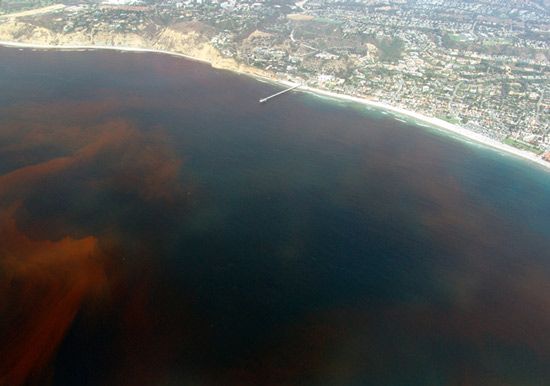
- Challenges: Oysters are vulnerable to predators and environmental threats, including low winter temperatures and red tides, which can introduce toxins that make the shellfish dangerous for human consumption. Additionally, industrial and agricultural runoff can contaminate oysters with pollutants like heavy metals, posing significant public health concerns.54
What are the main differences between edible oysters and other oyster species?
The primary distinction between edible oysters and other oyster species, such as pearl oysters, lies in their biological classification and their intended utility.
Taxonomic and Functional Differences
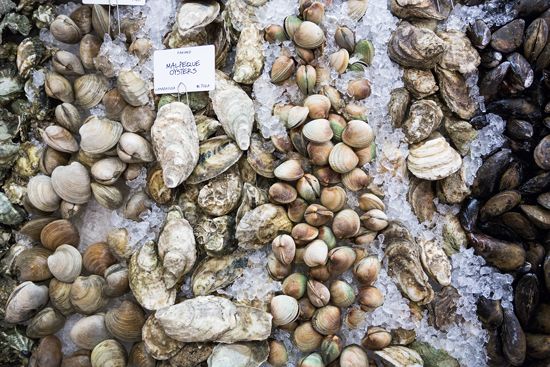
- True Oysters (Family Ostreidae): These are the species cultivated for human consumption, including well-known varieties like the European flat oyster (O. edulis) and the Japanese oyster (C. gigas). They have been farmed for over 2,000 years for their meat, which is prized for its tender, buttery texture and sweet flavor.4
- Pearl Oysters (Family Aviculidae): These species, primarily of the genus Meleagrina (or Pinctada), are valued for the precious pearls that develop within them. While they also contain nacre, they are not typically harvested as a primary food source.4
Pearl Formation
While both types of oysters contain nacre, the pearls produced by edible oysters are generally lustreless and hold no commercial value. High-quality natural pearls are produced almost exclusively by specific Oriental species, such as Meleagrina vulgaris, which are found in deeper waters and are harvested specifically for their gem-producing capabilities.4
How have oysters been used by humans throughout history, both as food and for other purposes?
Throughout history, humans have utilized oysters primarily as a food source and as a means of obtaining precious pearls.4
Use as Food
True oysters (family Ostreidae) have been cultivated for human consumption for more than 2,000 years. The practice of oyster culture—the cultivation of oysters in prepared beds—is believed to have been pioneered by the Romans in the Mediterranean. Historically, methods have evolved from simple collection to sophisticated techniques, such as placing twigs, shells, or tiles in the sea to capture free-swimming larvae for controlled growth. Today, oysters are enjoyed raw, cooked, or smoked, with various regions developing distinct, popular varieties like the blue point, colchester, and marennes.45
Use for Pearls
Beyond their nutritional value, oysters—specifically those in the family Aviculidae—have long been valued for the pearls that develop within them. Pearls form when nacre accumulates around a foreign object lodged inside the shell. While edible oysters can produce pearls, they are typically lustreless and hold no commercial value. High-quality natural pearls have historically been harvested from specific Oriental species, such as Meleagrina vulgaris. In 1893, the industry was revolutionized by the development of cultured pearls, where a nucleus is manually inserted into the oyster to stimulate pearl formation.45
Sources
- How do oysters make pearls? — Encyclopædia Britannica
- pearl — Encyclopædia Britannica
- mother-of-pearl - Composition and formation process — Encyclopædia Britannica
- oyster — Encyclopædia Britannica
- aquaculture - Mollusks — Encyclopædia Britannica
- aquaculture — Encyclopædia Britannica
- bivalve - Importance — Encyclopædia Britannica
- bivalve - Annotated classification — Encyclopædia Britannica
- What’s the difference between clams, mussels, and oysters? — Encyclopædia Britannica
- oyster culture — Merriam-Webster
Published on · 4 min read