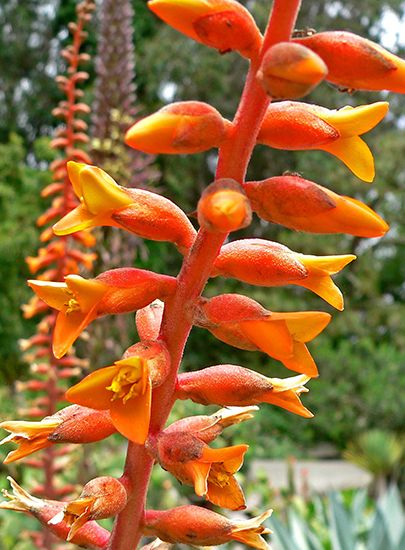
Cola
Cola plants are a genus of tropical trees native to Africa. While they originate from this region, they are now cultivated in various tropical areas around…
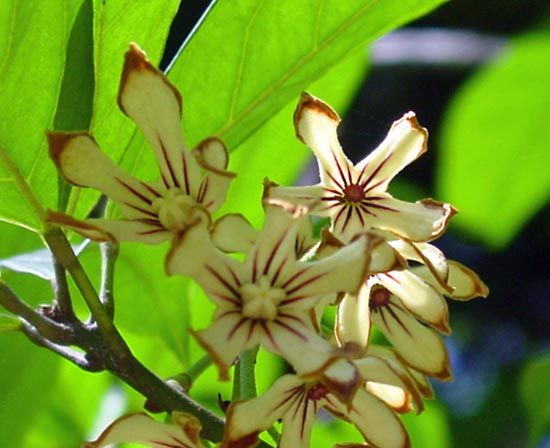
Where are Cola plants typically found in nature?
Cola plants are a genus of tropical trees native to Africa. While they originate from this region, they are now cultivated in various tropical areas around the world for their kola nuts.12
In their natural and cultivated environments, these evergreen trees thrive best in sandy loams at low-lying elevations. They are characterized by their leathery leaves and star-shaped fruit, which contain the seeds used in the production of cola beverages and as a stimulant.1
How many species are there in the Cola genus, and which are the most well-known?
The Cola genus, which belongs to the chocolate family (Sterculiaceae), comprises approximately 125 species of tropical trees native to Africa.1
While there are many species within the genus, two are particularly well-known due to their commercial cultivation in tropical regions worldwide:
- Cola acuminata: Widely recognized for its seeds, which are used as a stimulant and in the production of various beverages.12
- Cola nitida: Often grown alongside C. acuminata, this species is also a primary source of kola nuts, which contain caffeine, tannin, and theobromine.12
These evergreen trees are valued for their star-shaped fruit, which contains the seeds commonly referred to as kola nuts. These nuts are chewed locally in Africa as a stimulant and serve as a key ingredient in the manufacturing of soft drinks and medicinal extracts.1
How are Cola plants used in traditional medicine?
In traditional practices, the kola nut is valued for its various medicinal and physiological effects. Because the nuts contain caffeine, tannin, and theobromine, they are frequently utilized in the following ways:
- Stimulant: Local populations often chew the nuts to reduce sensations of hunger and fatigue.31
- Digestive Aid: Consuming small pieces of the nut before meals is a common practice to assist with digestion.3
- Botanical Drug: In regions such as Brazil and the West Indies, the astringent nuts are used to treat diarrhea, hangovers, and intoxication.3
- Clinical Stimulant: Beyond traditional use, refined extracts from the plant are employed in medicine as a stimulant for the central nervous system and the heart.1
It is important to note that while these traditional uses are well-documented, the commercial soft-drink industry typically uses synthetic flavorings rather than actual kola nut extracts.3
What is the botanical classification of the Cola genus?
The Cola genus is botanically classified within the chocolate family (Sterculiaceae), which falls under the order Malvales.1
These tropical trees are characterized by their evergreen nature, oblong leathery leaves, and yellow flowers. They are best known for producing star-shaped fruit that encloses large seeds, commonly referred to as kola nuts.1
We could dive deeper into the broader characteristics of the Malvales order or explore other members of the Sterculiaceae family.
Sources
- Cola — Encyclopædia Britannica
- cola tree — Merriam-Webster
- Kola nut — Encyclopædia Britannica
Published on · 2 min read