Colchicum
Colchicum is a genus of approximately 30 species of stemless, herbaceous plants native to Eurasia. Belonging to the family Colchicaceae, these plants are…
What is Colchicum?
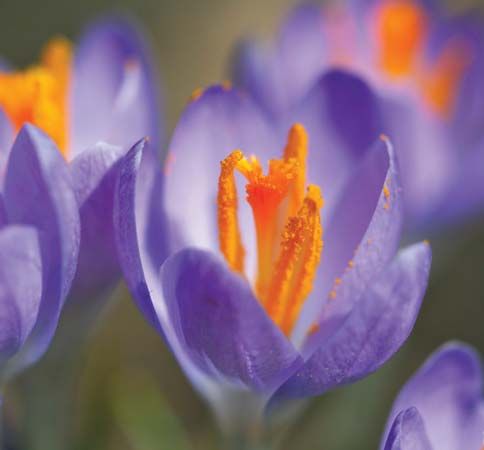
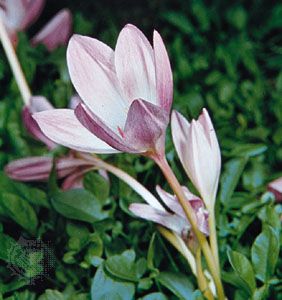
Colchicum is a genus of approximately 30 species of stemless, herbaceous plants native to Eurasia. Belonging to the family Colchicaceae, these plants are often referred to as autumn crocus or meadow saffron due to their crocus-like flowers that typically bloom in the autumn.123
The plant is notable for its medicinal properties, specifically the presence of colchicine in the corms and seeds of species such as Colchicum autumnale. This substance is utilized as a drug to manage the pain and inflammation associated with gout, a condition caused by uric acid deposits in the joints. While valuable in medicine, the plant is also cultivated as an ornamental for its pink, white, or bluish-purple flowers.142
How does gout affect the human body?
Gout is a metabolic disorder characterized by the accumulation of uric acid salts in the body. When these levels become excessive, needle-shaped monosodium urate crystals precipitate and deposit within the joint space and surrounding cartilage.56
This deposition triggers recurrent, acute attacks of severe inflammation, known as gouty arthritis. Symptoms typically include intense pain, warmth, redness, and extreme tenderness in the affected joints—most commonly the big toe, though the knees, fingers, elbows, and wrists may also be involved.56
If left untreated for years, the condition can progress to chronic tophaceous gout. In this stage, large, chalky deposits of urate crystals, called tophi, accumulate in soft tissue, tendons, and cartilage, leading to persistent joint pain and potential deformities. The disorder is linked to the breakdown of purines, which are essential components of DNA and RNA.567
What is the difference between a true crocus and an autumn crocus?
While they share a similar appearance and are often confused, “true” crocuses and the “autumn crocus” belong to entirely different plant families.
- True Crocuses (Crocus): These belong to the iris family (Iridaceae) and consist of about 75 species native to the Alps, southern Europe, and the Mediterranean. They are characterized by three petals, three petal-like sepals, and three broad pollen-receptive stigma branches.1
- Autumn Crocus (Colchicum): Often called “meadow saffron,” these plants belong to the family Colchicaceae. Unlike the true crocus, the Colchicum genus is native to Eurasia and is notable for containing colchicine, a substance used to treat gout.910
A key botanical distinction is that true crocuses have three anthers, whereas Colchicum species have six. Additionally, while both are corm-producing, their reproductive structures and family lineages are distinct.1109
Why are some plants toxic to animals?
Plants have evolved a vast array of chemical compounds, known as allelochemicals, primarily as a defense mechanism against herbivores, pathogens, and other environmental threats. Because plants are rooted and cannot flee from predators, these toxins serve as a critical survival strategy to deter consumption.1112
Why Plants Produce Toxins
Plants produce over 10,000 chemical compounds not involved in primary metabolism, including alkaloids, glycosides, and toxalbumins. These substances function in several ways:1311
- Deterrence: Many compounds are bitter or cause immediate irritation, such as the calcium oxalate crystals in dumbcane, which discourage animals from eating them.131214
- Chemical Warfare: Some plants, like lilies, contain toxins that can cause severe physiological damage, such as acute kidney failure in cats.15
- Signaling: Plants may release volatile organic compounds to warn neighbors of threats or to attract predators of the insects currently eating them.12
It is important to note that toxicity is often species-specific; a compound that is lethal to one animal may be inert or even a food source for another, such as birds consuming poison ivy berries.12
Sources
- Colchicum — Encyclopædia Britannica
- colchicine — Encyclopædia Britannica
- autumn crocus — Merriam-Webster
- colchicum — Merriam-Webster
- gout — Encyclopædia Britannica
- uric acid — Encyclopædia Britannica
- arthritis - Crystalloid arthritis — Encyclopædia Britannica
- purine — Encyclopædia Britannica
- Did you know? — Merriam-Webster
- crocus — Encyclopædia Britannica
- poison - Plant poisons (phytotoxins) — Encyclopædia Britannica
- Botanical Barbarity: 9 Plant Defense Mechanisms — Encyclopædia Britannica
- community ecology - Specialization in grazing — Encyclopædia Britannica
- Chemoreception - Defensive tastes — Encyclopædia Britannica
- Why Are Lilies Toxic to Cats? — Encyclopædia Britannica
Published on · 3 min read