Crocus
The genus Crocus consists of approximately 75 cormose species of plants belonging to the iris family. These low-growing plants are native to the Alps…
How many species of crocus exist, and what are some of the most popular varieties?
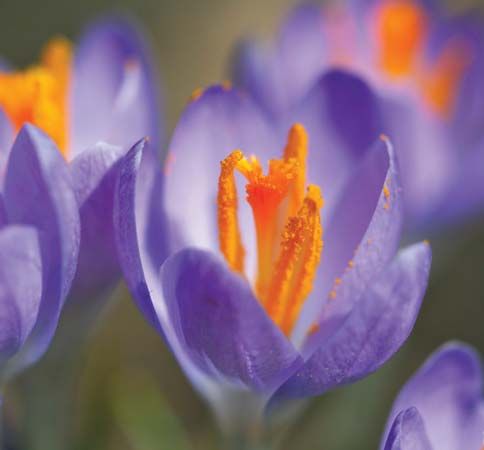
The genus Crocus consists of approximately 75 cormose species of plants belonging to the iris family. These low-growing plants are native to the Alps, southern Europe, and the Mediterranean region.12
Several species are particularly notable for their cultivation and utility:
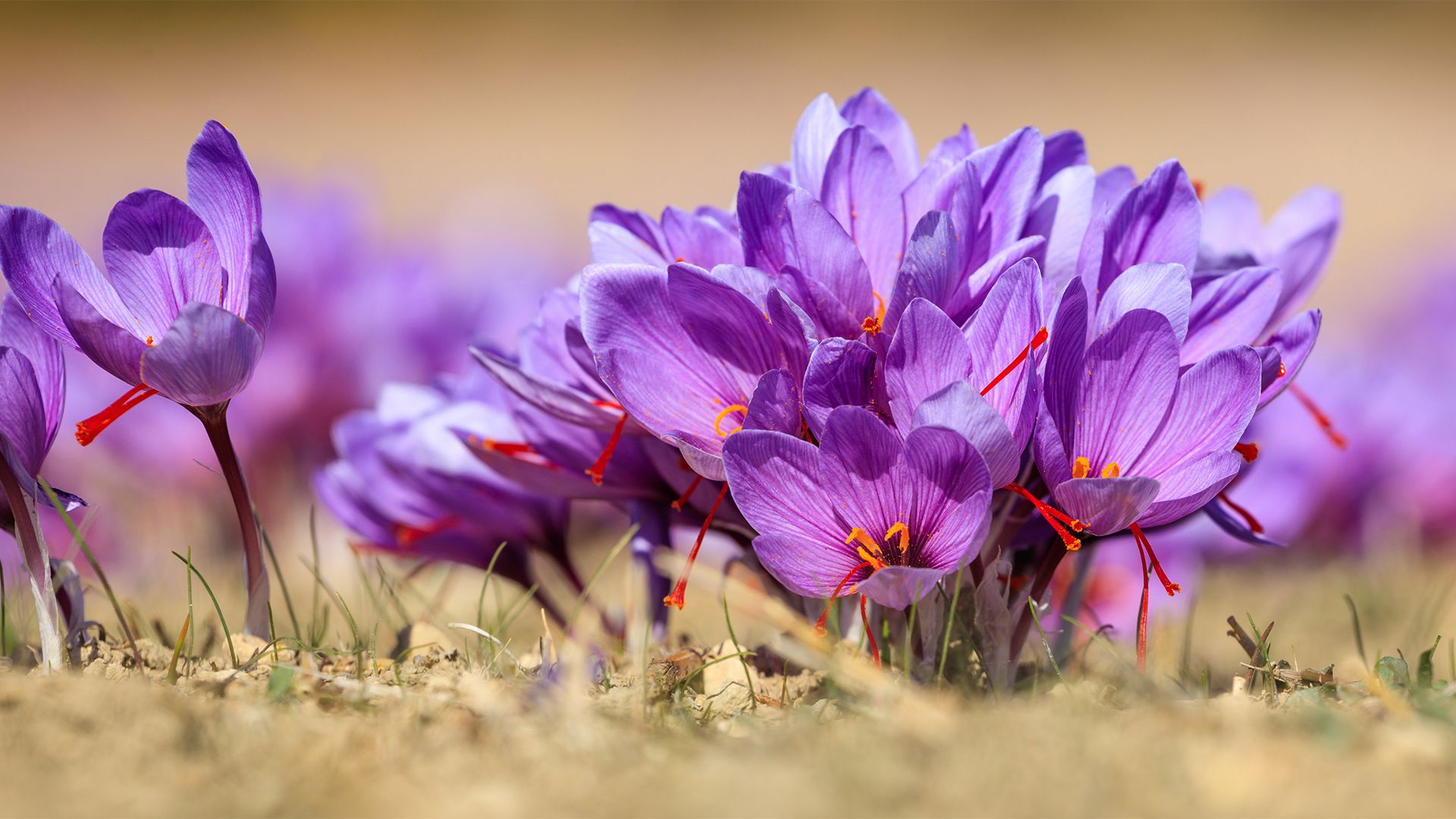
- Saffron crocus (Crocus sativus): An autumn-flowering species native to western Asia, it is the source of saffron, which is harvested from the dried, orange tips of its pistils.1
- Common garden crocus (C. vernus): An alpine species that serves as the primary ancestor for many popular garden cultivars.12
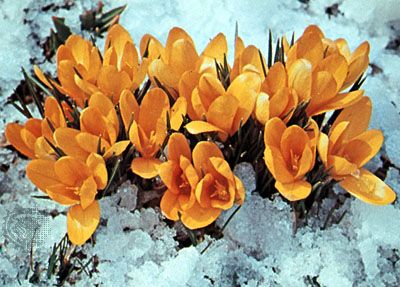
- Dutch yellow crocus (C. flavus): A popular spring-flowering species originating from the stony slopes of southeastern Europe.1
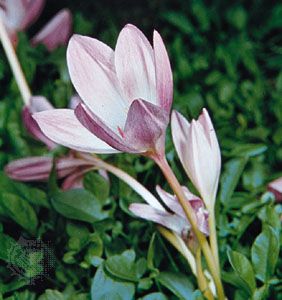
- C. biflorus: A Mediterranean species recognized for its purple-tinged, often striped petals and yellow throat.1
How do crocus plants reproduce and propagate?
Crocus plants reproduce and propagate through both sexual and asexual means.
Sexual Reproduction
Like other flowering plants, crocuses undergo sexual reproduction through pollination. The plant produces flowers containing anthers (which produce pollen) and a pistil (which contains the ovules). Following fertilization, the plant develops a dry capsule fruit that eventually splits open to release seeds for dispersal.34
Asexual Propagation
Crocuses also utilize vegetative reproduction, a form of asexual propagation that allows the plant to multiply without the union of gametes. This process relies on the corm, an erect, vertical, fleshy, subterranean stem that serves as a specialized reproductive organ.15
- Dormancy and Growth: The corm allows the plant to survive periods of dormancy. After these periods, the corm develops into a new individual.15
- Secondary Cormlets: A primary corm can develop secondary structures known as cormlets. These cormlets eventually give rise to new plantlets, effectively increasing the number of individuals in a colony.15
This method of propagation is highly valued in horticulture because it allows for the perpetuation of specific plant varieties, as the offspring are genetically identical to the parent.1
What parts of the crocus plant are above ground, and what parts are underground?
The anatomy of a crocus plant is divided between structures that remain below the soil and those that emerge above it.
Underground Structures
The primary underground component is the corm, a vertical, fleshy, subterranean stem that serves as a food-storage organ.71
- Corm: This structure is covered by a fibrous, dry sheath known as a tunic.74
- Roots: Contractile roots emerge from the basal plate at the bottom of the corm and can pull the structure deeper into the soil.74
- Ovary: In many spring-flowering species, the ovary remains belowground, sheltered from climatic changes by a long floral tube.42
Above-Ground Structures
The parts of the plant visible above the soil include:
- Leaves: These are grasslike and typically feature a distinct pale or white stripe along the midrib.4
- Flowers: Each corm typically produces one or two cuplike flowers consisting of three petals, three petal-like sepals, and reproductive organs, including the pollen-producing anthers and the stigma branches.4
- Fruit: After fertilization, the flower stalk may elongate, bringing the developing capsule fruit above the ground to ripen and release its seeds.4
How is saffron harvested from the crocus flower?
Saffron is harvested from the saffron crocus (Crocus sativus) through a highly labor-intensive manual process. Because the spice consists only of the three delicate stigmata found within each flower, the harvesting must be done entirely by hand.89
The process involves the following steps:
- Handpicking: Workers carefully remove the three red stigmata from each individual blossom.89
- Drying: Once separated from the plant, the stigmata are spread on trays and dried, often over charcoal fires, to preserve their distinct color, aroma, and flavor.89
The extreme cost of saffron is a direct result of this labor-intensive method and the low yield per plant; it requires approximately 75,000 blossoms to produce just one pound of the finished spice.89
Sources
- crocus — Encyclopædia Britannica
- Did you know? — Merriam-Webster
- vegetative reproduction — Encyclopædia Britannica
- plant reproductive system - Reproduction by special asexual structures — Encyclopædia Britannica
- Asteraceae - Pollination — Encyclopædia Britannica
- pollination — Encyclopædia Britannica
- corm — Encyclopædia Britannica
- Why Is Saffron So Expensive? — Encyclopædia Britannica
- saffron — Encyclopædia Britannica
Published on · 3 min read