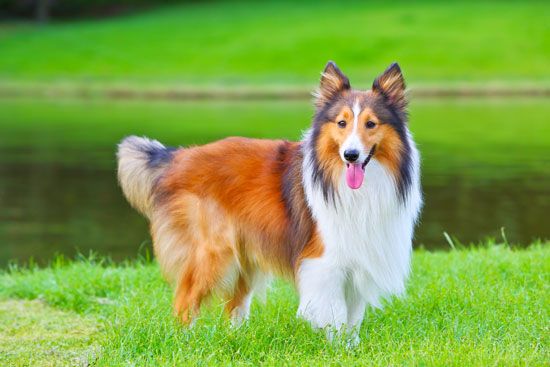
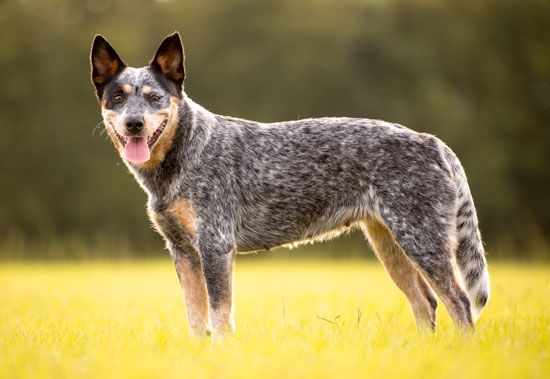
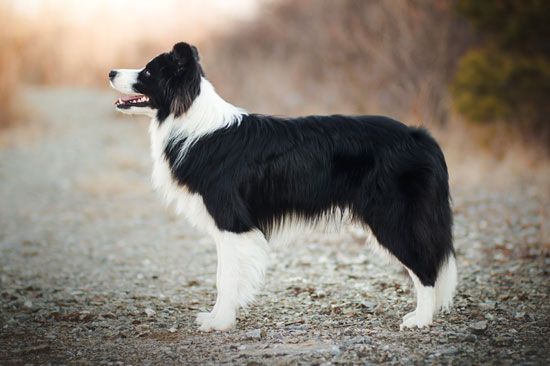
Collie
Collies, particularly the Border Collie, are widely considered among the most intelligent dog breeds, possessing an uncanny ability to learn and perform…
How trainable are collies, and what are some recommended training methods?
Collies, particularly the Border Collie, are widely considered among the most intelligent dog breeds, possessing an uncanny ability to learn and perform complex tasks quickly. Because they are independent thinkers, they require consistent mental and physical engagement to thrive.1
While the provided search results do not detail specific step-by-step training protocols, they highlight that these dogs excel in structured activities such as obedience, agility, and herding trials. Effective training for this breed typically involves:1
- Mental and Physical Challenges: Providing at least an hour of vigorous daily activity, such as retrieving, jumping, or tracking, is essential to prevent anxiety and destructive behavior.1
- Verbal Commands: In traditional herding, handlers use specific verbal cues—such as “Come bye,” “Away,” and “That’ll do”—to direct the dog’s movements around livestock.1
- Early Socialization: Because they can be sensitive to loud noises, early exposure to various environments is recommended to help them acclimate.1
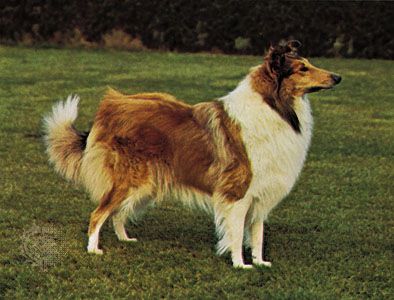
What are the common health concerns and care requirements for collie breeds?
The provided search results do not contain information regarding common health concerns for collie breeds. However, they do outline specific care requirements for these dogs, particularly the Border Collie.
Care and Upkeep Requirements
- Exercise: These breeds require significant daily mental and physical stimulation. Owners should provide at least one hour of vigorous activity, such as jogging, swimming, jumping, or participating in dog sports like agility and obedience training.1
- Grooming: Coat care involves occasional bathing and brushing several times per week. During shedding seasons in the spring and fall, daily brushing is necessary to maintain the coat.1
- Environment: While they are not typically prone to escaping, a well-fenced yard is recommended. They generally prefer cooler climates.1
- Socialization: Because they can be highly sensitive to loud noises, early exposure to various environments is beneficial for acclimation.1
- Special Breeding Considerations: For breeds that carry the merle coat pattern, it is critical to avoid breeding two merle individuals together, as this can result in “double merles” that may suffer from severe vision and hearing impairments.1
How do collies interact with children and other pets in a family setting?
The Border Collie is an extremely playful and interactive breed that generally gets along well with people of all ages. However, because of their high energy levels and intense focus, they may sometimes be too active for very young children or older adults.2
When it comes to their interactions with others, keep the following in mind:
- Herding Instincts: A defining trait of the breed is its instinct to herd. Collie puppies have been known to instinctively herd children, other pets, or even ducklings as a manifestation of their natural working drive.4
- Social Behavior: While they are loyal to their own family, they tend to be aloof toward unfamiliar people, dogs, or other animals.2
- Family Suitability: Because they are independent thinkers that require significant mental and physical challenges, they are best suited for families who have the time and inclination to provide them with consistent, structured tasks. Without such engagement, they can become anxious or destructive.2
It is important to remember that these are general breed characteristics, and individual temperaments can vary significantly.2
What are the exercise requirements for collies, and how do they impact their behavior?
The Border Collie requires a significant amount of daily mental and physical exercise to remain healthy and well-adjusted. Owners should provide at least one hour of vigorous activity, such as long jogs, swimming, or participation in dog sports like agility, obedience, and herding trials.2
These exercise requirements are essential because the breed is highly intelligent and possesses a strong, independent working drive. When these needs for daily physical and mental challenges are not met, the dog can become anxious and destructive. Conversely, when provided with consistent, structured tasks, the breed’s natural alertness and responsiveness are channeled into productive behaviors, allowing them to excel in various activities and training environments.2
Because they are independent thinkers, they are best suited for families who have the time and inclination to provide them with regular, challenging work. Without such engagement, their high energy levels can lead to behavioral issues within the home.2
Sources
- collie — Encyclopædia Britannica
- Border Collie — Encyclopædia Britannica
- bearded collie — Encyclopædia Britannica
- dog - Breed-specific behaviour — Encyclopædia Britannica
Published on · 3 min read