Do Raccoons Wash Their Food?
It is a common misconception that raccoons wash their food to clean it. While their habit of dipping food into water near a water source earned them the…
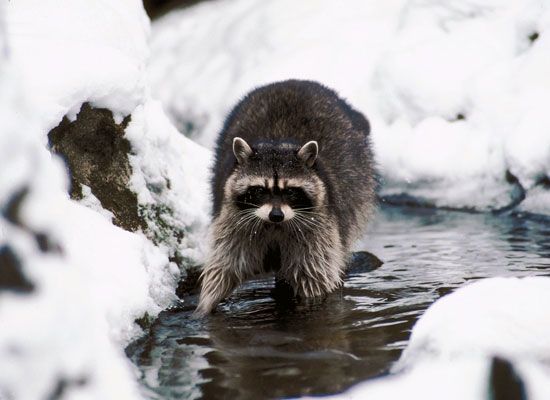
Do raccoons wash their food?
It is a common misconception that raccoons wash their food to clean it. While their habit of dipping food into water near a water source earned them the scientific name Procyon lotor, which translates to “washer,” they are not actually performing a hygienic act.12
Instead, this behavior is a sensory process. Raccoons have highly sensitive front paws, and wetting them increases the responsiveness of the sensory nerves in their hairless skin. By manipulating food in water, the raccoon gains detailed information about the object’s texture, weight, size, and temperature, which helps it determine if the item is edible and safe. While the food may incidentally become cleaner during this process, the primary purpose is to better perceive the characteristics of their meal.1
How sensitive are a raccoon’s front paws?
A raccoon’s front paws are exceptionally sensitive, serving as their primary tool for exploring and identifying objects in their environment. The skin on their paws is hairless, which allows for a high density of sensory receptors that provide the animal with detailed tactile information.1
When a raccoon wets its paws or manipulates food in water, it significantly increases the responsiveness of these sensory nerves. This heightened sensitivity allows the raccoon to gather precise data regarding the texture, weight, size, and temperature of an object. By processing this sensory input, the raccoon can effectively determine whether an item is edible and safe to consume.1
What do raccoons typically eat in the wild?
Although classified as a carnivore, the raccoon is an omnivorous animal with a diverse diet. In their natural forest and grassland habitats, they typically feed on a variety of food sources, including:
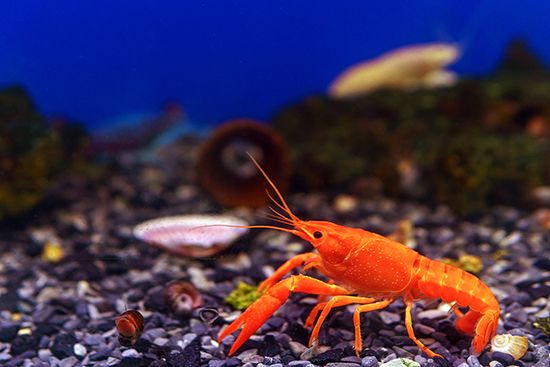
- Aquatic and small animal prey: Crayfish, other arthropods, rodents, and frogs.3
- Plant matter: Various fruits and other vegetation.3
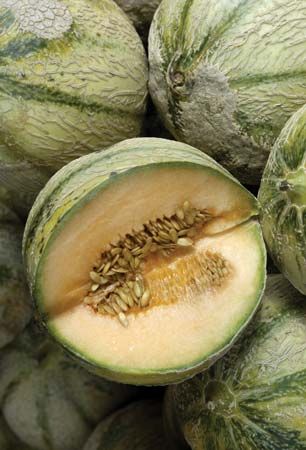
- Agricultural crops: They are known to consume crops such as corn and melons.3
- Other sources: They have a particular fondness for eggs and nestlings.3
When living near human settlements, raccoons are highly adaptable and will readily supplement their diet with garbage, pet food, and other available human-provided items.32
Why are raccoons considered omnivores?
Raccoons are considered omnivores because they possess wide food preferences that include both plant and animal matter. While they are taxonomically classified as members of the order Carnivora, their actual diet is highly varied and opportunistic.432
In the wild, their diet consists of a broad range of items, including:
- Animal matter: Crayfish, arthropods, frogs, rodents, and eggs.32
- Plant matter: Various fruits, vegetation, and agricultural crops like corn and melons.32
This dietary flexibility allows them to thrive in diverse environments, from forests and grasslands to urban areas, where they readily consume human-provided food sources like garbage and pet food. Their ability to consume such a wide array of nutrients is a defining characteristic of an omnivorous animal.34
Sources
- Do raccoons wash their food? — Encyclopædia Britannica
- raccoon: Top Questions — Encyclopædia Britannica
- raccoon — Encyclopædia Britannica
- omnivore — Encyclopædia Britannica
Published on · 2 min read