What Dog Breed Is Closest to a Dingo?
The Australian Cattle Dog is the breed most closely associated with the dingo in terms of development and heritage. This breed was created in the 19th…
What Dog Breed Is Closest to a Dingo?
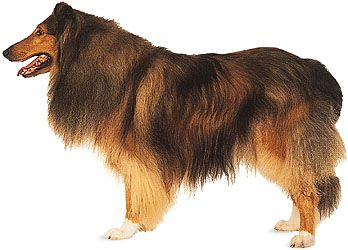
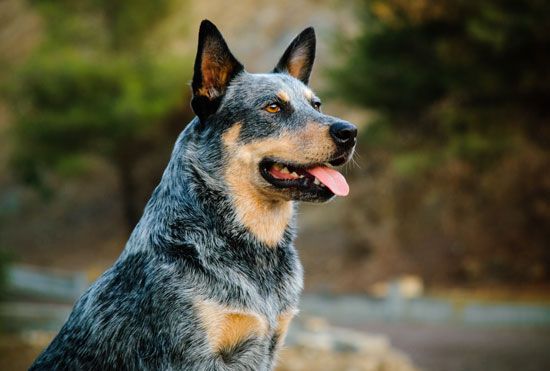
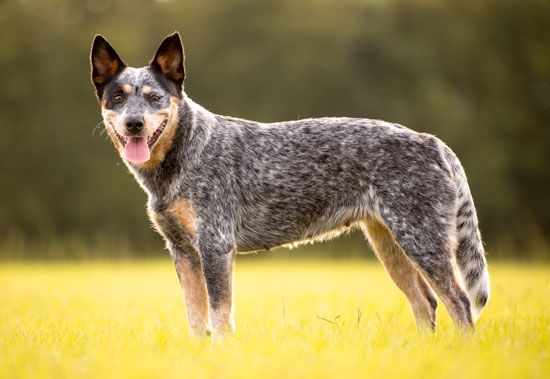
The Australian Cattle Dog is the breed most closely associated with the dingo in terms of development and heritage. This breed was created in the 19th century by crossing a Blue Merle Collie with a dingo to incorporate the wild canine’s natural herding instincts and resilience into a working dog.1
While other dogs, such as the Carolina Dog and the New Guinea singing dog, are often associated with dingoes, the Australian Cattle Dog—also known as a “Heeler”—was specifically engineered to mirror the dingo’s physical robustness and mental agility. Both animals share a sturdy, medium-sized build, dense weather-resistant coats, and high levels of intelligence and energy.1
It is important to distinguish that while the Australian Cattle Dog is a domesticated breed, the dingo remains a wild animal, often classified as a subspecies of the wolf (Canis lupus dingo).21
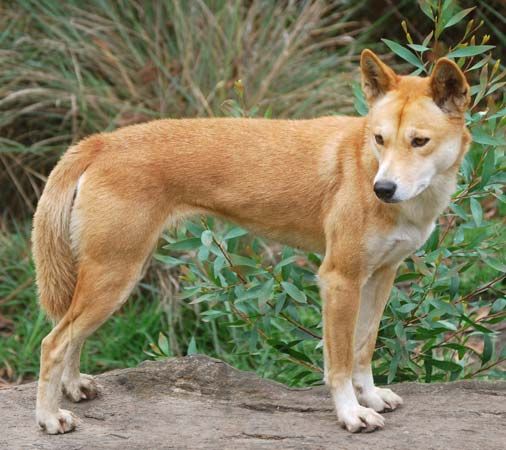
How do New Guinea singing dogs compare to Australian dingoes?
The term “dingo” is frequently used to describe various wild dog populations across Southeast Asia, including those found in New Guinea. While the Australian dingo and the New Guinea singing dog share this common classification, they are distinct populations adapted to different environments.1
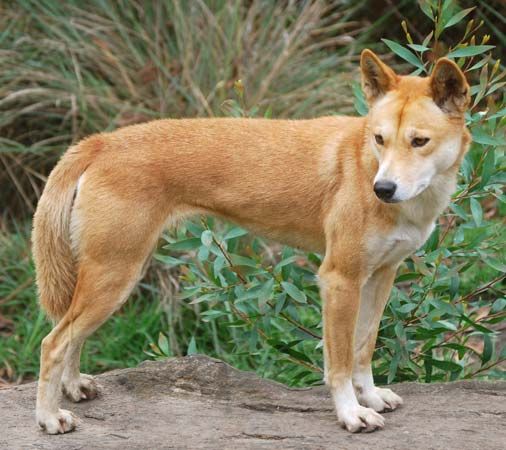
Both animals are characterized by their vocalizations; dingoes are often referred to as “singing dogs” because they possess a varied repertoire of howls rather than typical barking. Physically, the Australian dingo is a medium-sized canine with short, soft fur, erect ears, and a bushy tail. They are highly mobile, often traveling long distances within established territories.1
While the Australian dingo is widely regarded by authorities as a subspecies of the wolf (Canis lupus dingo), the exact evolutionary history of these wild canines remains a subject of study. It is unclear whether they represent a truly wild lineage or are descended from domesticated dogs that became feral after being introduced to the region by sea travelers thousands of years ago.1
What traits make the Australian Cattle Dog a good herder?
The Australian Cattle Dog is a highly effective herder due to a combination of inherited wild traits and selective breeding. Key factors contributing to its success include:
- Natural Herding Instincts: Developed by crossing Collies with dingoes, the breed inherited the dingo’s tendency to nip at the heels of livestock. This behavior earned them the nickname “Heelers,” allowing them to move cattle efficiently in the demanding conditions of the Australian Outback.23
- Physical Robustness: Their sturdy, medium-sized build and dense, weather-resistant double coats enable them to survive and work in harsh environments.23
- Mental Agility and Intelligence: The breed is renowned for being exceptionally intelligent and quick to learn. This mental sharpness, paired with a high energy level and independent nature, makes them well-suited for complex tasks and challenging work.23
- Work Ethic: Their resilience and adaptability allow them to excel in various dog sports, including agility, obedience, and tracking, which mirror the high-performance requirements of their original herding purpose.23
Why is hybridization with domestic dogs a threat to dingoes?
Hybridization with domestic dogs is a significant threat to the dingo because it leads to the dilution of the dingo’s distinct genetic identity. As human settlement expands, the frequency of crossbreeding between wild dingoes and domestic dogs (Canis lupus familiaris) increases, which compromises the purity of the dingo population.1
This process of hybridization is a primary reason why the International Union for Conservation of Nature currently classifies the dingo as a vulnerable species. By interbreeding with domestic dogs, the unique evolutionary adaptations and physical characteristics that have allowed dingoes to thrive in the Australian environment for thousands of years are at risk of being lost.1
Sources
- dingo — Encyclopædia Britannica
- What Dog Breed Is Closest to a Dingo? — Encyclopædia Britannica
- Australian Cattle Dog — Encyclopædia Britannica
Published on · 3 min read