Columbine
Columbine plants, belonging to the genus Aquilegia within the Ranunculaceae family, are perennial herbs recognized for several unique characteristics:
What are the distinguishing features of columbine plants?
Columbine plants, belonging to the genus Aquilegia within the Ranunculaceae family, are perennial herbs recognized for several unique characteristics:
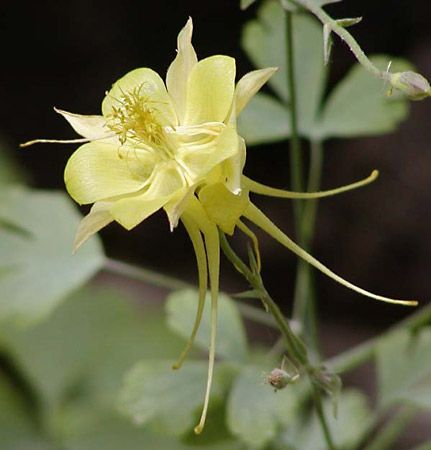
- Distinctive Flowers: The flowers feature five petals with long, backward-extending, pouchlike spurs that store nectar. Both the sepals and petals are typically brightly colored.1
- Foliage: They possess compound leaves characterized by leaflets that are generally rounded and notched.1
- Variability: Species range in height and appearance, from the nodding flowers of the common European columbine to the showy, long-spurred hybrids developed from Rocky Mountains natives like the Colorado blue columbine.1
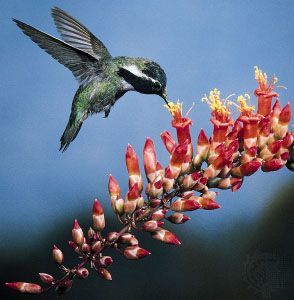
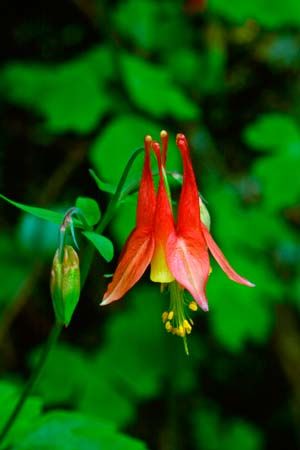
- Pollination: Certain species, such as the North American wild columbine, have evolved specific colorations—like red and yellow—to attract hummingbirds for pollination hummingbirds for pollination.1
Where are columbine plants native to, and in what habitats do they typically grow?
Columbine plants (genus Aquilegia) are native to North America and Europe.1
They thrive in a variety of natural habitats depending on the specific species:
- Woodlands and Edges: Many species, such as the common European columbine (Aquilegia vulgaris), are frequently found along woodland edges and roadsides.1
- Rocky Terrain: The wild columbine (A. canadensis) of North America is commonly found growing on rocky ledges and in wooded areas.1
- Mountainous Regions: Several notable species, including the Colorado blue columbine and the golden columbine, are native to the Rocky Mountains.1
How many species of columbine exist, and what are some notable varieties?
The genus Aquilegia, commonly known as columbine, comprises nearly 100 species of perennial herbaceous plants within the Ranunculaceae family.1
Several notable varieties and species are widely recognized:
- Common European columbine (Aquilegia vulgaris): Known for its nodding flowers with short, incurved spurs, this species typically grows 45–75 cm tall and is frequently found along roadsides and woodland edges.1
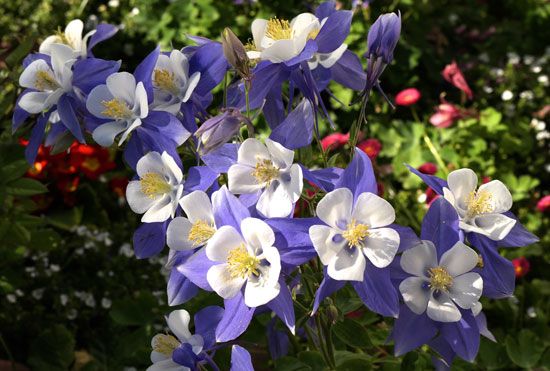
- Colorado blue columbine (A. caerulea): A native of the Rocky Mountains, this species is a primary parent for many showy garden hybrids.1
- Golden columbine (A. chrysantha): Also native to the Rocky Mountains, this species has contributed to the development of numerous long-spurred hybrids available in a wide range of colors, including white, yellow, red, and blue.1
- Wild columbine (A. canadensis): Also called the eastern red columbine, this North American native features red and yellow flowers specifically adapted for pollination by hummingbirds.1
What is the scientific name for the columbine plant, and what does it mean?
The scientific name for the columbine plant is Aquilegia.1
While the provided search results confirm the name is of New Latin origin, they do not explicitly define the etymological meaning of the term. The name Aquilegia is widely associated with the Latin word aquila, meaning “eagle,” likely in reference to the shape of the flower’s petals, which some observers have likened to the talons of an eagle.234
Sources
- columbine — Encyclopædia Britannica
- aquilegia — Merriam-Webster
- aquilege — Merriam-Webster
- akeley — Merriam-Webster
Published on · 2 min read