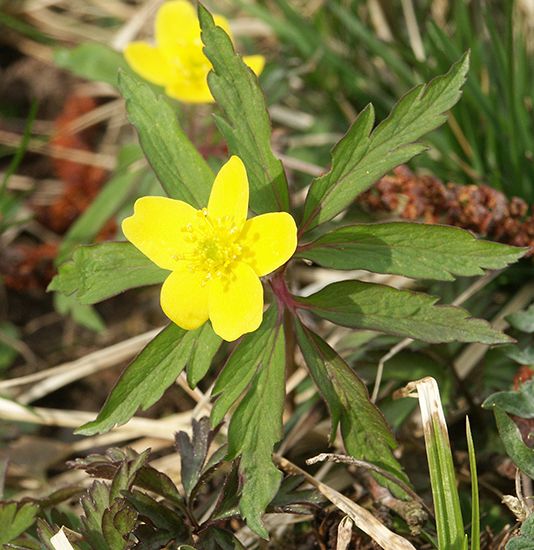
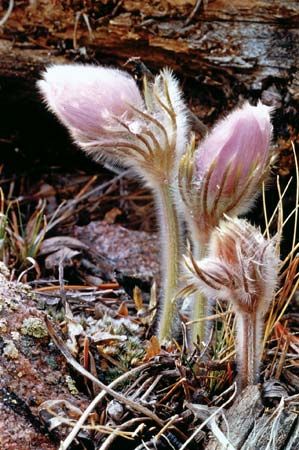
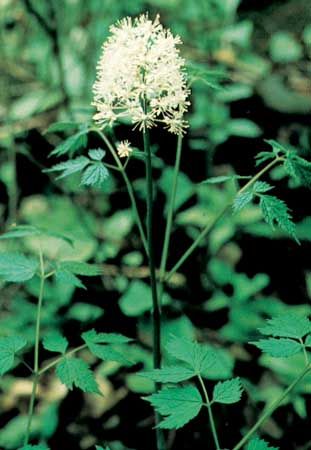
Mousetail
Mousetail refers to any of approximately 15 species of small, annual, herbaceous plants that make up the genus Myosurus within the buttercup family…
What is mousetail?
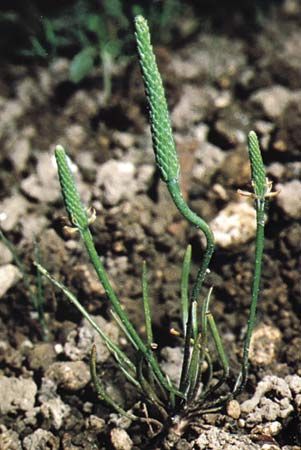
Mousetail refers to any of approximately 15 species of small, annual, herbaceous plants that make up the genus Myosurus within the buttercup family (Ranunculaceae). These plants are found in temperate regions across both the Northern and Southern Hemispheres.12
The name “mousetail” is derived from the plant’s distinctive appearance: a long, slender column covered with pistils—the female seed-bearing organs—that emerges from the center of the flower, resembling a mouse’s tail. The genus name, Myosurus, reflects this as well, combining the Greek word for mouse (myos) with a suffix indicating a tail.132
What other plants belong to the buttercup family?
The Ranunculaceae family, commonly known as the buttercup family, includes approximately 2,252 species of flowering plants distributed across 62 genera. These plants are primarily herbaceous and are found globally, with the highest diversity occurring in temperate regions.45
Many members of this family are popular as garden ornamentals or wildflowers. Notable examples include:
- Anemone (genus Anemone)
- Baneberry (genus Actaea)
- Bugbane (genus Cimicifuga)
- Buttercup (genus Ranunculus)
- Clematis (genus Clematis)
- Columbine (genus Aquilegia)
- Globeflower (genus Trollius)
- Goldenseal (Hydrastis canadensis)
- Hellebore (genus Helleborus)
- Hepatica (genus Hepatica)
- Larkspur (genus Delphinium)
- Love-in-a-mist (Nigella damascena)
- Marsh marigold (Caltha palustris)
- Meadow rue (genus Thalictrum)
- Monkshood (genus Aconitum)
- Pheasant’s-eye (Adonis annua)
- Winter aconite (genus Eranthis)45
How do annual plants differ from perennial plants?
The primary difference between annual and perennial plants lies in the duration of their life cycles.
Annual Plants
An annual is a plant that completes its entire life cycle—from germination to seed production and death—within a single growing season. Because the plant dies after one season, the only part that survives to the next year is the dormant seed. Many common garden flowers, such as marigolds and zinnias, as well as major food crops like wheat and corn, are annuals.78
Perennial Plants
A perennial is a plant that persists for several years. These plants regrow and rebloom year after year, often by utilizing specialized underground structures like bulbs, rhizomes, or tubers to survive through winter dormancy. While perennials provide a consistent presence in a garden, they often have a more limited flowering period compared to annuals. Examples include trees, shrubs, and herbaceous perennials like chrysanthemums and columbines.9710
What are the functions of pistils in a flower?
The pistil serves as the female reproductive organ of a flower, playing a critical role in the plant’s life cycle through three primary structures:
- Stigma: This is the pollen-receptive tip of the pistil. It is often sticky or specially shaped to capture compatible pollen grains during pollination.1213
- Style: This stalk connects the stigma to the ovary. It provides a pathway for the pollen tube to grow downward after the pollen germinates on the stigma, allowing sperm to reach the ovules.1214
- Ovary: Located at the base of the pistil, the ovary contains one or more ovules. Once fertilized, these ovules develop into seeds, and the ovary itself often matures into fruit.1213
Collectively, these parts ensure that fertilization occurs, which is essential for the production of seeds and the perpetuation of flowering plants.13
Sources
- mousetail — Encyclopædia Britannica
- mousetail — Merriam-Webster
- Myosurus — Merriam-Webster
- Ranunculaceae — Encyclopædia Britannica
- list of plants in the family Ranunculaceae — Encyclopædia Britannica
- Alismatales - Economic value — Encyclopædia Britannica
- Is That Plant 'Perennial' or 'Annual'? — Merriam-Webster
- Perennial — Encyclopædia Britannica
- Annual — Encyclopædia Britannica
- Biennial — Encyclopædia Britannica
- horticulture - Herbaceous perennials — Encyclopædia Britannica
- Pistil — Encyclopædia Britannica
- Pollination — Encyclopædia Britannica
- Angiosperm - The gynoecium — Encyclopædia Britannica
Published on · 2 min read