Connemara
Connemara is a rugged region located in western County Galway, Ireland. Situated west of Galway city, the area is characterized by its "savage beauty," a…
What is Connemara?
Connemara is a rugged region located in western County Galway, Ireland. Situated west of Galway city, the area is characterized by its “savage beauty,” a term famously coined by Oscar Wilde.12
The landscape is defined by ice-scoured, rock-strewn terrain, extensive peat bogs, and a varied coastline dotted with islands. Notable geographical features include the sharp-peaked quartzite ranges of the Twelve Bens and the Maumturks, which reach elevations exceeding 2,000 feet. The region is culturally and economically recognized for its Connemara ponies, traditional tweeds, and its austerely grand scenery.1
Most of the population resides in a narrow coastal belt where fields are protected by stone walls and land has been historically cultivated using seaweed and manure. Clifden serves as the region’s primary town, while areas like Roundstone function as seaside resorts.1
What are the unique characteristics of the Connemara pony?
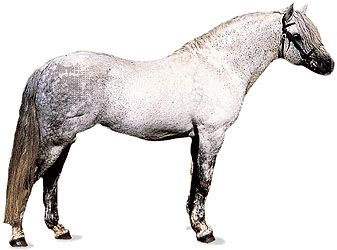
The Connemara pony is Ireland’s only indigenous breed, celebrated for its intelligence, stamina, and versatility.345
Physical Characteristics
- Size: They typically range from 13 to 15 hands (approximately 52 to 60 inches) in height.35
- Build: These ponies possess compact bodies, well-muscled legs, and well-formed hindquarters with a high-set tail.35
- Features: They are noted for having a long neck with a full mane. While most colors are found within the breed, they are known for their hardy and surefooted nature.53
Aptitude and Temperament
- Performance: Connemaras are highly regarded for their exceptional jumping ability and the ease of their gait, making them popular as show ponies and jumpers.35
- Versatility: They serve as excellent riding ponies for both adults and children and have historically been used for light draft work.35
- Temperament: They are widely recognized for being docile, intelligent, and extremely hardy.345
While the breed’s origins are somewhat uncertain, Thoroughbred and other bloodlines have been introduced over time to refine the breed.3
How do peat bogs form in the Irish landscape?
Peat bogs in the Irish landscape form through a complex process of organic accumulation in waterlogged, acidic environments. The development typically begins in depressions or lakes where poor drainage prevents the complete decomposition of plant matter.6
The Formation Process
- Colonization: In mineral-poor, waterlogged areas, sphagnum moss begins to grow. These plants are highly efficient at absorbing water and releasing acid, which creates an environment that inhibits the bacteria and fungi responsible for decay.768
- Anaerobic Conditions: Because the moss saturates the soil and restricts air passage, the environment becomes anoxic (anaerobic). This lack of oxygen further prevents the breakdown of dead vegetation.69
- Peat Accumulation: As lower layers of moss die and are covered by new growth, they compress into peat. Over time, this organic material fills the basin from the bottom up and the top down.68
- Raised Bogs: In areas with sufficient rainfall, the water-retaining properties of sphagnum allow the bog to grow upward, eventually rising above the original water table to form a “raised bog,” which relies primarily on rainwater.69
What is the significance of the Irish language in this region?
The Irish language holds profound significance in the Connemara region and across Ireland, serving as a vital pillar of national identity and cultural heritage.112
Cultural Significance
- Identity and Heritage: Despite a decline in vernacular use following the 19th-century Great Famine, the language remains a central element of “Irishness” and a symbol of resistance to historical external influences.112
- The Gaeltacht: Connemara is a key part of the Gaeltacht—regions where the Irish language and traditional national culture are most actively preserved. County Galway, which encompasses Connemara, maintains the largest Irish-speaking population of any county in Ireland.1314
- Official Status: Under the constitution, Irish is designated as the first official language of the state. It is a compulsory subject in schools and is utilized in all official government documentation.115
Modern Context
While English is universally spoken, the language has seen a resurgence in interest through government-supported programs, media, and educational initiatives. Although few people today claim Irish as their primary mother tongue, it remains a deeply influential force in the Irish consciousness and a recognized working language of the European Union a recognized working language of the European Union.1121516
Sources
- Connemara — Encyclopædia Britannica
- Connemara — Merriam-Webster
- Connemara — Encyclopædia Britannica
- Connemara pony — Merriam-Webster
- horse - Ponies — Encyclopædia Britannica
- peat moss — Encyclopædia Britannica
- Bog - Formation and structure — Encyclopædia Britannica
- peat — Encyclopædia Britannica
- peat bog — Merriam-Webster
- Bog - Flora — Encyclopædia Britannica
- Bog of Allen — Encyclopædia Britannica
- Ireland - Ethnic groups, language, and religion — Encyclopædia Britannica
- Ireland - Cultural life — Encyclopædia Britannica
- Celtic literature - Irish — Encyclopædia Britannica
- Celtic languages - Irish — Encyclopædia Britannica
- Gaeltacht — Merriam-Webster
- Galway — Encyclopædia Britannica
- Ireland - Settlement patterns — Encyclopædia Britannica
Published on · 3 min read