Conopophagidae
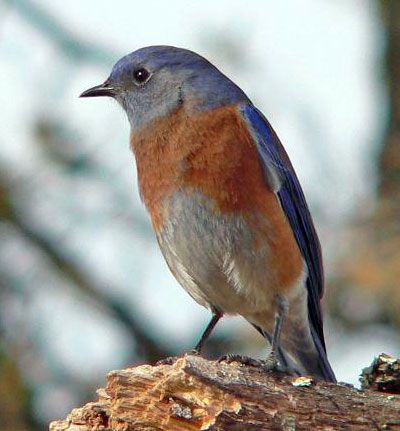
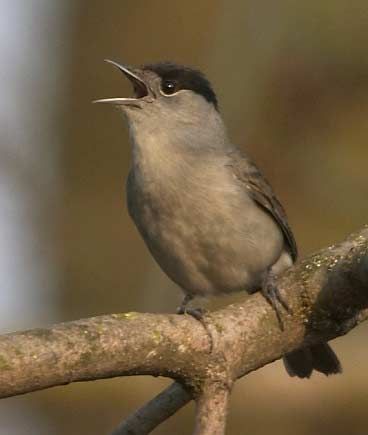
Conopophagidae is a family of small, plump-bodied birds native to Central and South America, commonly known as gnateaters or antpipits.
What is Conopophagidae?
Conopophagidae is a family of small, plump-bodied birds native to Central and South America, commonly known as gnateaters or antpipits.1
These birds are members of the order Passeriformes and are characterized by their large heads and, in some instances, very short tails. While they were formerly classified within the antbird family (Formicariidae), they were separated and elevated to their own family rank in 1882. Currently, the family consists of eight species, all of which belong to the genus Conopophaga. These birds are primarily found foraging for insects within the understory of South American forests.213
The name is derived from the Greek words kōnops (gnat or mosquito) and -phaga (eating), reflecting their insectivorous nature.2
What are antbirds and how are they related to gnateaters?
Antbirds (family Thamnophilidae) are a diverse group of roughly 210 species of insect-eating birds found in the American tropics. They are well-known for their habit of following columns of marching ants to feed on the insects flushed out by the swarm. These birds are typically small to medium-sized with drab, fluffy plumage, strong legs, and stout, often hooked bills.4
Regarding their relationship to gnateaters (family Conopophagidae), the two groups were historically classified together. Gnateaters were formerly grouped within the antbird family (Formicariidae) until 1882, when they were separated and elevated to their own distinct family rank. While both families are insectivorous birds of the American tropics that forage in forest understories, they are now recognized as separate taxonomic entities.514
What unique physical traits help these birds survive in the forest understory?
To survive in the dense, low-light environment of the forest understory, birds like antbirds and gnateaters have evolved several specialized physical traits:
- Plumage and Coloration: Many understory birds possess drab, fluffy plumage, which helps them remain inconspicuous against the forest background, providing essential concealment from predators.4
- Bill Morphology: These birds typically feature insectivorous bills, which are often stout and may include a hooked or notched tip. This structure is highly effective for handling a variety of insects found in the understory.46
- Locomotion and Feet: As members of the order Passeriformes, these birds possess a specialized perching foot with four well-developed toes. This design allows them to grip branches securely while navigating the complex, cluttered vegetation of the forest floor and understory.7
- Foraging Adaptations: Their physical build supports their role as insectivores. For instance, antbirds often have strong legs that allow them to remain active near the ground, where they exploit the insect bonanza flushed out by swarming ants.4
How do scientists classify birds into different families?
Scientists classify birds into families by evaluating evolutionary relationships through a combination of traditional morphological analysis and modern genetic research. Historically, systematists relied on structural characteristics, such as the arrangement of bones in the palate, the structure of the syrinx, the morphology of the bill and feet, and various plumage features like feather tracts and aftershafts.1112
In the mid-20th century, the field shifted toward a more comprehensive approach, incorporating behavioral traits, reproductive patterns, and biochemical analyses of proteins. Today, the most significant advances in understanding these relationships come from DNA sequence analysis, which allows researchers to test and refine hypotheses about taxonomic groupings.1211
Methodologically, taxonomists often employ cladistics, which classifies groups based on shared derived characters—or synapomorphies—that indicate descent from a most-recent common ancestor. Because taxonomic understanding is iterative, classifications are frequently updated as new data emerges, leading to ongoing revisions in how families are defined and related to one another.131412
Sources
- Conopophagidae — Encyclopædia Britannica
- Gnateater — Encyclopædia Britannica
- Conopophagidae — Merriam-Webster
- Antbird — Encyclopædia Britannica
- Passeriform - Size range and structural diversity — Encyclopædia Britannica
- Passeriform - Bill — Encyclopædia Britannica
- Bird - Walking and hopping — Encyclopædia Britannica
- Bird - Feeding habits — Encyclopædia Britannica
- Passeriform - Feet and legs — Encyclopædia Britannica
- coloration - Optical functions: combination of concealing and advertising coloration — Encyclopædia Britannica
- Bird - Distinguishing taxonomic features — Encyclopædia Britannica
- taxonomy - Ranks — Encyclopædia Britannica
- pelecaniform — Encyclopædia Britannica
- Galliform - Distinguishing taxonomic features — Encyclopædia Britannica
- Passeriform - Distinguishing taxonomic features — Encyclopædia Britannica
- phylogeny - Phenetics versus cladistics — Encyclopædia Britannica
Published on · 3 min read