Cook Inlet
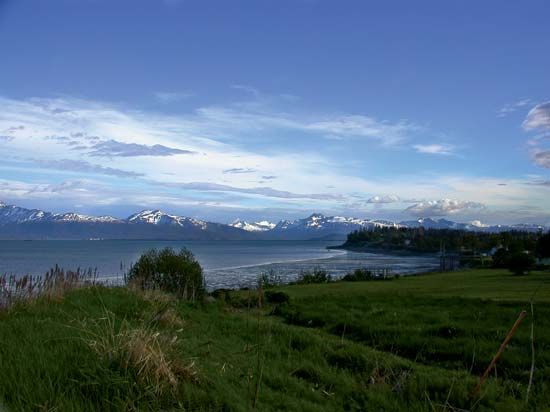
Cook Inlet is a branch of the Gulf of Alaska located in the North Pacific Ocean along the southern coast of Alaska, U.S.
What is Cook Inlet and where is it located in Alaska?
Cook Inlet is a branch of the Gulf of Alaska located in the North Pacific Ocean along the southern coast of Alaska, U.S.12
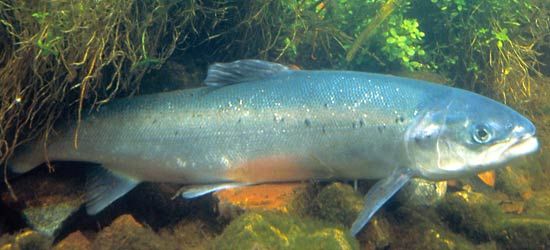
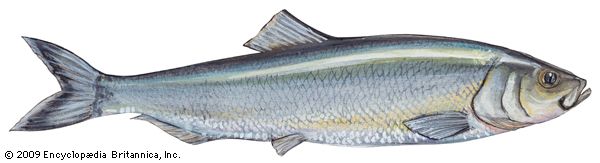
Bounded by the Kenai Peninsula to the east, the inlet extends northeast for 220 miles (350 km). It is a significant geographic feature that serves as a vital salmon- and herring-fishing ground and contains important oil fields. The city of Anchorage is situated near the head of the inlet, while the cities of Kenai and Homer are located along its shores.12
The inlet is fed by several rivers, including the Susitna, Matanuska, and Kenai, and is known for its dramatic tidal flows, which can exceed 30 feet (9 meters). It was named after the British navigator James Cook, who entered the waters in 1778 while searching for the Northwest Passage.1
What are the major geographic features and cities along Cook Inlet?
Cook Inlet is a significant body of water in southern Alaska, characterized by its dramatic tidal flows and role as a vital economic and geographic hub.1
Major Geographic Features
- Watershed and Rivers: The inlet features a nearly 50,000-square-mile watershed and is fed by the Susitna, Matanuska, and Kenai rivers.1
- Arms and Coastline: Near the head of the inlet, it branches into the Knik Arm to the northeast and the Turnagain Arm to the southeast. It is bounded to the east by the Kenai Peninsula.1
- Protected Areas: The region includes Lake Clark National Park and Preserve along its western shore and the Captain Cook State Recreation Area on its northeastern reaches.1
- Natural Resources: The area is a productive salmon- and herring-fishing ground and contains significant oil and natural gas fields.13
Cities
- Anchorage: Located near the head of the inlet, Anchorage is the state’s most populous city and a major commercial center.14
- Kenai and Homer: Both Kenai and Homer are situated along the shores of the inlet, playing key roles in the region’s economy.13
How has Cook Inlet played a role in Alaska’s history and economy?
Cook Inlet has played a pivotal role in Alaska’s development, serving as both a vital economic engine and a site of significant historical events.
Economic Significance
The region became a cornerstone of Alaska’s economy in the 1950s with the discovery of oil and natural gas fields on the Kenai Peninsula and offshore in the inlet itself. By the 1970s, this industry ranked first in the state’s mineral production. Additionally, the inlet remains a productive salmon- and herring-fishing ground. Today, natural gas from the region is a key power source, integrated into the “Railbelt” electrical grid that connects major cities from Homer to Fairbanks.162
Historical Context
- Exploration: In 1778, British navigator James Cook entered the inlet while searching for the Northwest Passage, leading to its current name.2
- Natural Disasters: The area was severely impacted by the 1964 Alaska earthquake, which caused widespread destruction in Anchorage and altered the coastal landscape.1
What role does Cook Inlet play in Alaska’s oil and gas industry?
Cook Inlet has served as a foundational element of Alaska’s petroleum and natural gas industry since the mid-20th century. The discovery of oil and gas fields on the Kenai Peninsula and through offshore drilling in the inlet during the 1950s was transformative; by the 1970s, this industry had become the leading source of mineral production in the state.1
The region’s infrastructure remains vital to the state’s energy needs. A natural gas pipeline connects the Kenai gas fields directly to Anchorage, and the area is a key component of the “Railbelt” electrical grid, which supplies power to major population centers from Homer to Fairbanks.5
While the inlet was once a primary driver of production, output has declined significantly in recent years. Today, the region continues to be a site of ongoing discussion regarding the balance between resource extraction and environmental stewardship.51
Sources
- Cook Inlet — Encyclopædia Britannica
- Gulf of Alaska — Encyclopædia Britannica
- Anchorage — Encyclopædia Britannica
- Cook Inlet — Merriam-Webster
- Alaska - Resources and power — Encyclopædia Britannica
- Alaska - Alaska since statehood — Encyclopædia Britannica
- Nunavut - Fishing and hunting — Encyclopædia Britannica
Published on · 3 min read