Coonhound
Coonhounds are a group of dog breeds primarily developed in the United States for hunting raccoons by scent. While specific traits vary by breed, they…
What are the physical characteristics and temperament of coonhounds?
Coonhounds are a group of dog breeds primarily developed in the United States for hunting raccoons by scent. While specific traits vary by breed, they generally share a reputation for being strong, alert, and capable of navigating rigorous terrain and weather.1
Physical Characteristics
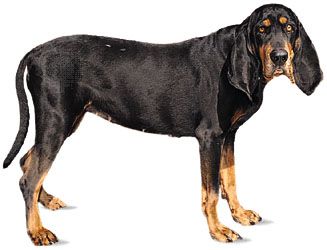
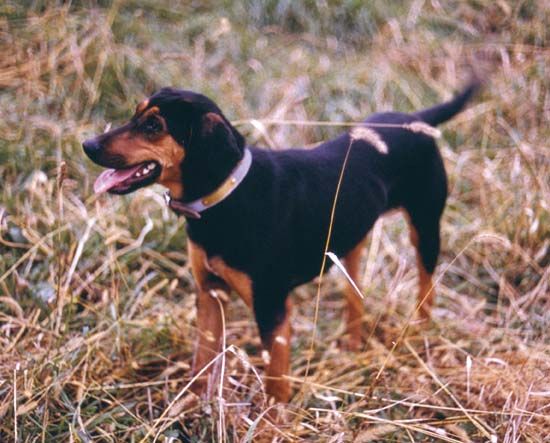
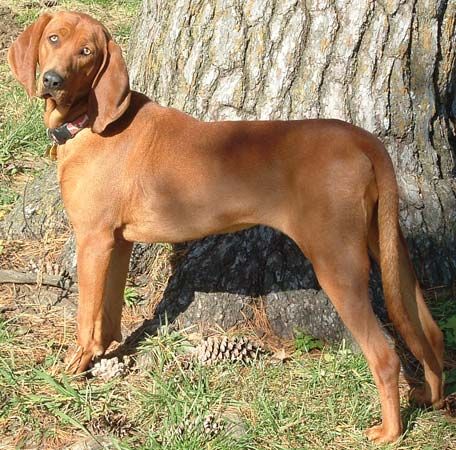
Coonhounds are medium-to-large athletic dogs. The black and tan coonhound typically stands 23 to 27 inches tall with a short, glossy coat. Other common breeds, such as the redbone, bluetick, Plott, and treeing walker, generally stand between 21 and 26 inches tall. Their appearances are distinct:1
- Redbone: Solid reddish-brown coat.1
- Bluetick: Mottled blue-gray with black and reddish-brown markings.1
- Plott: Brindle coat, sometimes with a black saddle.1
- Treeing Walker: White with black-and-tan markings.1
Temperament
These dogs are noted for their perseverance and skill as hunters, often tracking big game like bears and mountain lions in addition to raccoons. They are characterized as diligent, determined, and confident, and they are well-known for their melodious voices.1
What are the different types of coonhounds recognized by kennel clubs?
Coonhounds are a group of scent-hunting dogs primarily developed in the United States. While the term “coonhound” is used to describe these dogs collectively, the specific breeds recognized by national registries can vary, as not all countries or kennel clubs recognize every breed.13
The following breeds are commonly identified as types of coonhounds:
- Black and Tan Coonhound: Bred in the United States from bloodhound and foxhound strains, this breed is recognized for its distinct black-and-tan coat and its ability to track various game.1
- Redbone: A strong, determined hunter known for its solid reddish-brown coat.1
- Bluetick: Characterized by a mottled blue-gray coat with black and reddish-brown markings.1
- Plott: An alert and confident hunter with a brindle coat, sometimes featuring a black saddle.1
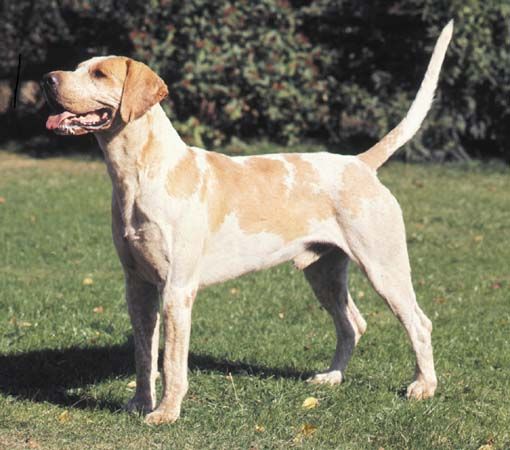
- Treeing Walker: Descended from the American foxhound, this breed is recognized for its white coat with black-and-tan markings.1
These breeds are generally categorized under the broader classification of hounds, which are dogs bred and trained to track by scent or sight.4
How do coonhounds compare to other scent hounds in terms of their tracking abilities?
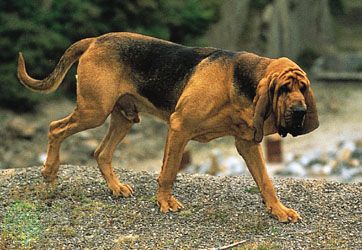
Coonhounds and bloodhounds are both highly skilled scent hounds, though they are often utilized for different purposes. The bloodhound is considered the foundational breed for many scent-hunting dogs and possesses a remarkable ability to track, with roughly 230 million scent receptors—about 40 times that of a human. While bloodhounds are renowned for their deliberate, relentless tracking of both prey and people, they are often characterized as docile and sometimes stubborn, making them a challenge to train for quick responses.1
In contrast, coonhounds were developed in the United States specifically for hunting raccoons and other game like deer, bears, and mountain lions. While they share ancestry with bloodhounds, coonhounds are generally described as swift, active, and diligent hunters. They are noted for their perseverance in difficult terrain and weather, as well as their melodious voices, which they use to signal their progress. While bloodhounds are often employed in law enforcement for their unmatched tracking precision, coonhounds are valued for their athleticism and “treeing” ability, where they track prey until it is forced to climb a tree.51
How were coonhounds traditionally used for hunting, and are they still used for this purpose today?
Coonhounds were traditionally developed in the United States as specialized scent-hunting dogs, primarily used to track raccoons. Their hunting method involves trailing game through challenging terrain and weather until the animal is forced to climb a tree, a behavior known as “treeing”. Beyond raccoons, these dogs are also highly valued for their skill and perseverance in tracking larger game, including bears, mountain lions, and deer.126
Coonhounds remain active in these roles today. They are still widely utilized as sporting dogs for hunting, where their keen sense of smell and distinct, melodious voices allow hunters to follow their progress through dense woods or difficult environments. Their ability to navigate rugged landscapes continues to make them effective partners for those who participate in traditional hunting practices.12
Sources
- coonhound — Encyclopædia Britannica
- coonhound — Merriam-Webster
- hound — Encyclopædia Britannica
- dog - The breeds — Encyclopædia Britannica
- Bloodhound — Encyclopædia Britannica
- tree dog — Merriam-Webster
Published on · 3 min read