Cordgrass
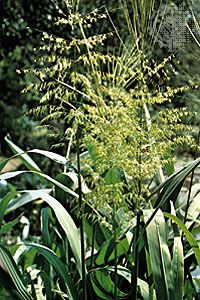
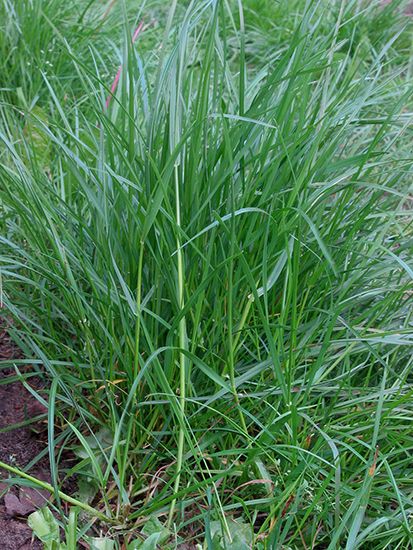
Cordgrass is a genus of 16 species of perennial grasses belonging to the family Poaceae. These plants are typically found in marshes and tidal mud flats…
What is Cordgrass?
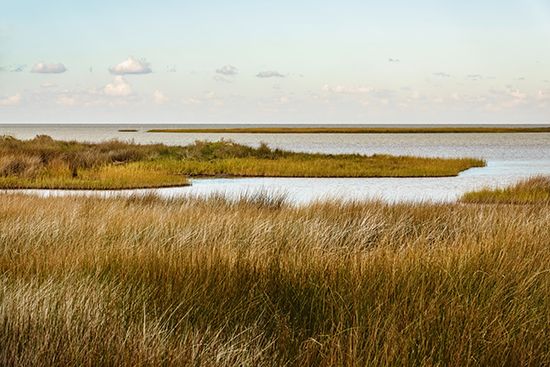
Cordgrass is a genus of 16 species of perennial grasses belonging to the family Poaceae. These plants are typically found in marshes and tidal mud flats across North America, Europe, and Africa, where they often form dense, erect colonies ranging from 0.3 to 3 metres in height.1
Many cordgrass species spread through rhizomes, which are underground stems that facilitate the growth of new plants. Because of their fibrous root systems, they are frequently used as soil binders to prevent erosion, though some species are considered invasive when introduced outside their native ranges.1
In salt marsh ecosystems, cordgrasses—particularly tall stands of Spartina alterniflora—are among the most productive natural systems on Earth, with growth rates comparable to the highest yields achieved in agriculture.2
How do rhizomes help cordgrass spread and survive?
Rhizomes are horizontal, underground stems that play a critical role in the survival and expansion of cordgrass. These structures provide two primary advantages:
- Vegetative Propagation: Rhizomes allow cordgrass to spread asexually by sending up new shoots and root systems from the underground stem. This enables the plant to form the dense, expansive colonies often seen on tidal mud flats and marshes.34
- Survival and Storage: These modified stems act as storage organs for starches and proteins. By storing these essential nutrients underground, rhizomes enable the plant to perennate, or survive through annual unfavorable seasons when conditions above ground may be harsh.3
By anchoring the plant and facilitating both reproduction and nutrient storage, rhizomes help cordgrass thrive in the challenging, saline environments of salt marshes.34
What is the difference between a marsh and a swamp?
The primary difference between a marsh and a swamp lies in the type of vegetation that dominates the ecosystem.
- Marshes: These wetland ecosystems are characterized by mineral soils and are dominated by grasses, grasslike sedges, reeds, and rushes.5
- Swamps: These ecosystems are also characterized by poorly drained mineral soils, but they are distinguished by plant life dominated by trees.6
Both environments typically exist in areas with poor drainage and sufficient water supply to keep the ground waterlogged. While they are distinct, they often coexist in the same regions, such as in the Florida Everglades or the Okavango Delta, forming complex wetland mosaics.65
Why are salt marshes considered some of the most productive ecosystems?
Salt marshes are recognized as some of the most productive natural systems on Earth, with some areas—particularly tall stands of Spartina alterniflora—achieving productivity rates exceeding 3,000 grams per square metre per year. This high level of primary productivity is driven by several key environmental factors:2
- Nutrient Enrichment: Salt marshes often form in estuaries, where the mixing of fresh and salt water creates a “salt wedge” circulation. This process pumps nutrient-rich bottom waters toward the surface, while decomposing organic matter from river-borne sediments provides a continuous supply of essential nutrients for plant growth.8
- Ideal Habitat Conditions: The combination of steady water supply and nutrient-rich, waterlogged soil creates an optimal environment for halophytic (salt-tolerant) grasses, sedges, and rushes to thrive.24
- Efficient Energy Cycling: The high plant production supports a robust food web. As plants die, they contribute to a pool of detritus, which is broken down by microorganisms and consumed by invertebrates, fueling high levels of biological production throughout the ecosystem.8910
These factors allow salt marshes to reach productivity levels comparable to the most efficient agricultural systems.2
Sources
- Cordgrass — Encyclopædia Britannica
- Marsh — Encyclopædia Britannica
- Rhizome — Encyclopædia Britannica
- Salt marsh — Encyclopædia Britannica
- marsh — Merriam-Webster
- swamp — Merriam-Webster
- Swamp — Encyclopædia Britannica
- estuary - Salt wedge estuaries — Encyclopædia Britannica
- primary productivity — Encyclopædia Britannica
- detritus — Encyclopædia Britannica
- estuary - Primary productivity — Encyclopædia Britannica
Published on · 3 min read