Detritus
In ecology, detritus refers to organic debris, including fallen leaves, plant parts, animal remains, and waste products that accumulate on soil or within…
What is detritus?
In ecology, detritus refers to organic debris, including fallen leaves, plant parts, animal remains, and waste products that accumulate on soil or within bodies of water.12
This material serves as a vital energy source in many ecosystems. Microorganisms, such as bacteria and fungi, break down the organic matter, creating a nutrient-rich food source for invertebrates, which are subsequently consumed by vertebrates. In many freshwater streams, detritus acts as the primary energy base rather than living plants, playing a critical role in the trophic pyramid.12
What is the difference between a detritivore and a decomposer?
While detritivores and decomposers both play essential roles in breaking down organic matter and recycling nutrients within an ecosystem, they differ primarily in their methods of feeding and the scale at which they operate.
- Detritivores are organisms, such as earthworms, beetles, or vultures, that act as scavengers. They feed directly on dead and decomposing organic matter—known as detritus—by ingesting it.34
- Decomposers (also called saprotrophs) typically include microorganisms like bacteria and fungi. Rather than ingesting whole pieces of matter, they perform “absorptive nutrition.” They excrete enzymes onto the organic material to break it down into simpler molecules at a microscopic level, which they then absorb.154
In short, while detritivores physically consume and process larger pieces of dead material, decomposers chemically break down organic substances into basic inorganic compounds, such as nitrogen and phosphorus, which are then returned to the environment for use by producers.54
How do detritus-based food webs differ from those based on living plants?
The primary difference between food webs lies in their energy base and the initial source of nutrition for the ecosystem.
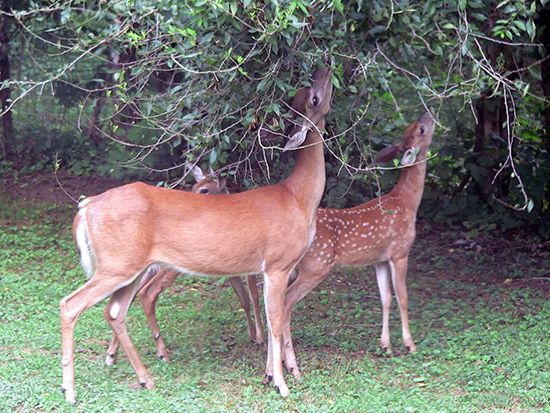
In most terrestrial and aquatic environments, food webs are built upon a base of living producers, such as plants, algae, or phytoplankton, which utilize photosynthesis to convert solar energy into food. These producers form the first trophic level of the trophic pyramid, supporting herbivores and subsequent levels of consumers.62
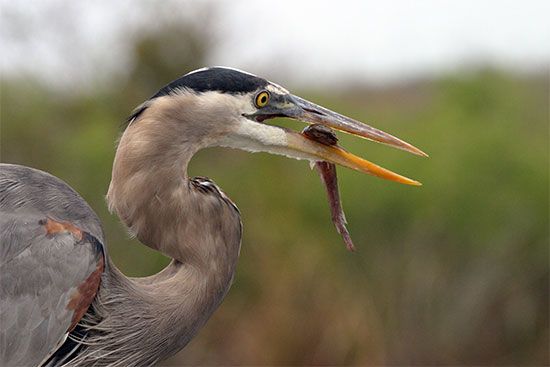
In contrast, detritus-based food webs—commonly found in many freshwater streams—derive their energy from detritus rather than living plants. This detritus consists of organic debris, such as fallen leaves and animal remains, that enters the water from surrounding terrestrial communities. In these systems, the energy flow begins when microorganisms, such as bacteria and fungi, break down the organic matter. This nutrient-rich material is then consumed by invertebrates, which serve as the primary food source for vertebrates.), which serve as the primary food source for vertebrates.2716
What role do microorganisms play in breaking down organic debris?
Microorganisms, including bacteria, fungi, and water molds, are essential to the process of decomposition and the recycling of nutrients within an ecosystem. They function primarily through a process known as absorptive nutrition, where they excrete enzymes onto nonliving organic matter—or detritus—to break down complex molecules into simpler ones that can be absorbed by their cells.58
Their roles include:
- Chemical Breakdown: Fungi are particularly efficient at digesting complex plant structures like cellulose, converting them into simple carbohydrates. Bacteria are highly effective at decomposing animal tissues and converting proteins into forms of nitrogen, such as ammonium ions, that plants can readily absorb.5910
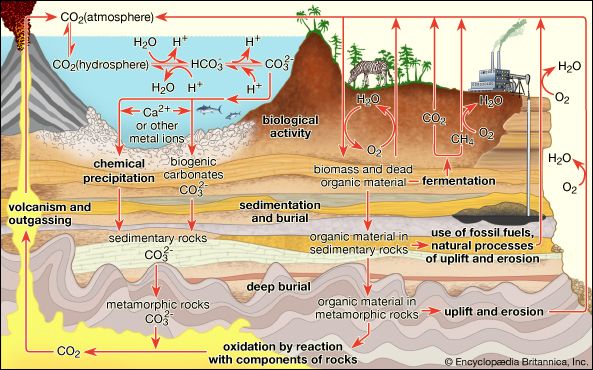
- Nutrient Cycling: By breaking down organic debris, these microorganisms facilitate critical natural cycles, including the carbon cycle and nitrogen cycle, returning vital elements to the environment.5910
- Mineralization: In the final stage of biodegradation, microorganisms complete the process of mineralization, reducing organic material into water, minerals, and carbon dioxide.8
Sources
- detritus — Encyclopædia Britannica
- trophic pyramid — Encyclopædia Britannica
- decomposer — Merriam-Webster
- detritivore — Merriam-Webster
- saprotroph — Encyclopædia Britannica
- food web — Encyclopædia Britannica
- community ecology - The pyramid structure of communities — Encyclopædia Britannica
- soil - Biological phenomena — Encyclopædia Britannica
- biodegradability — Encyclopædia Britannica
- soil organism — Encyclopædia Britannica
Published on · 3 min read