Coriander
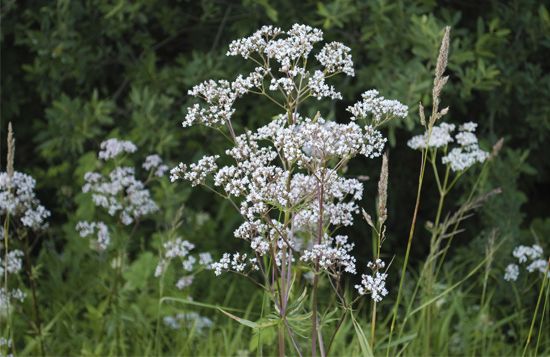
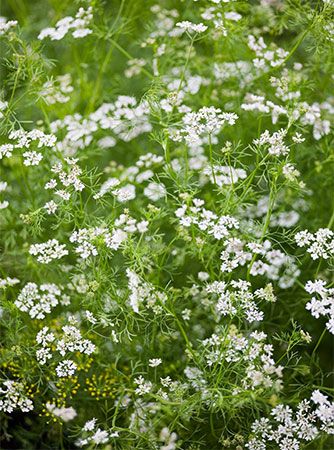
Coriander (Coriandrum sativum) is a versatile plant from the parsley family used globally as both an herb and a spice. Its culinary application varies by…
How is coriander used in different cuisines around the world?
Coriander (Coriandrum sativum) is a versatile plant from the parsley family used globally as both an herb and a spice. Its culinary application varies by part:1
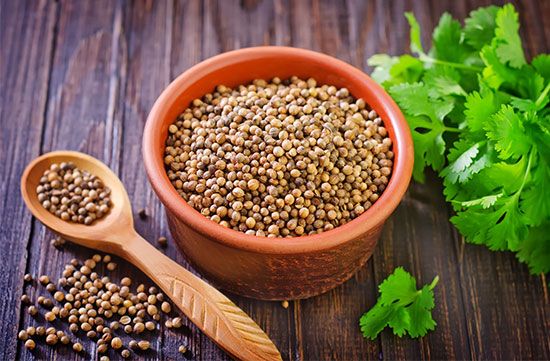
- Seeds and Fruits: The dried fruits and seeds, often referred to as coriander, are used as a spice. They possess an earthy, floral, and slightly citrus flavor and are frequently paired with cumin. They are essential for flavoring sausages, curries, Scandinavian pastries, liqueurs, and various confectionery. In Indian cuisine, they are a staple spice, often ground into powder or used whole.231
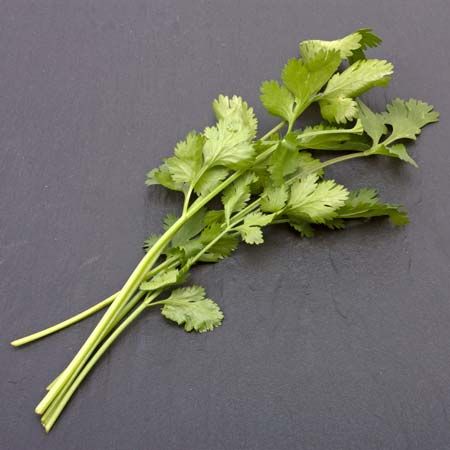
- Leaves: The delicate young leaves, known as cilantro, are widely utilized in Latin American, Indian, and Chinese dishes.31
Historically, the Romans used the plant to flavor bread, and its use dates back to 5000 BCE.1
What are some common substitutes for coriander in cooking?
Sorry, the Britannica knowledge base does not contain specific information regarding direct culinary substitutes for coriander or cilantro.
While the provided resources detail that coriander seeds have a flavor profile reminiscent of lemon peel and sage, and that cilantro leaves are often compared to parsley and citrus, the text does not explicitly list recommended substitutes for these ingredients in cooking.
What are some popular coriander-based spice blends used in various cultures?
Coriander is a fundamental ingredient in several iconic spice blends across different cultures, prized for its earthy, floral, and citrus-like profile.23
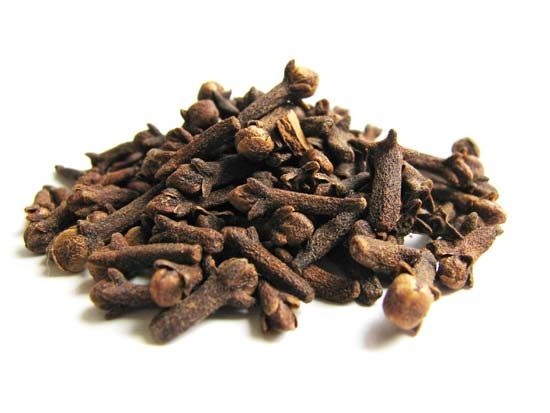
- Garam Masala: This staple Indian spice blend often incorporates ground coriander seeds alongside other aromatic spices like cardamom and cloves. It is used to add depth and warmth to a wide variety of savory dishes, including curries to a wide variety of savory dishes, including curries.3
- Ras el Hanout: A complex mixture used in North African cooking, this blend typically features coriander as a key component, combined with ginger, turmeric, cumin, cinnamon, and various peppers. The name translates to “head of the shop,” reflecting its status as a premium medley of a merchant’s finest spices.1
Because coriander seeds share a similar flavor profile with cumin, the two are frequently paired together in spice blends to create a balanced, earthy foundation for many global cuisines.3
What are the medicinal uses of coriander in traditional and modern medicine?
Coriander (Coriandrum sativum) has a long history of medicinal application, though its role in modern practice is significantly more limited than in the past.
Historical Medicinal Use
Historically, coriander was utilized as an aromatic and a carminative—a substance used to prevent or relieve flatulence and digestive discomfort. These traditional applications relied on the plant’s fragrant properties and its essential oil content, which includes coriandrol.2
Modern Medicinal Use
In contemporary medicine, the therapeutic application of coriander is primarily functional rather than pharmacological. Its current, primary use is as a pharmaceutical aid to mask the unpleasant tastes and odors of various drugs. While it remains a staple herb and spice in global cuisines, its direct use as a medicinal treatment for ailments has largely been superseded by modern clinical alternatives.2
Sources
- coriander: Top Questions — Encyclopædia Britannica
- coriander — Encyclopædia Britannica
- list of Indian spices — Encyclopædia Britannica
- cumin — Encyclopædia Britannica
- Why Does Cilantro Taste Like Soap to Some People? — Encyclopædia Britannica
- ras el hanout — Merriam-Webster
Published on · 3 min read