Cow Parsnip
Cow parsnip (Heracleum) is a member of the parsley family and is frequently confused with other plants in the same family due to their similar appearance.…
Are there any similar plants that are often confused with cow parsnip?
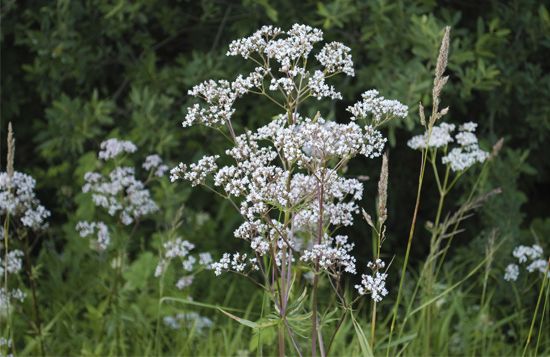
Cow parsnip (Heracleum) is a member of the parsley family and is frequently confused with other plants in the same family due to their similar appearance. Because many of these related species can cause skin irritation or are highly toxic, it is important to exercise caution when identifying them.
Plants often confused with cow parsnip include:
- Water hemlocks: These are highly poisonous plants that contain cicutoxin, which can be lethal to humans and livestock if ingested.12
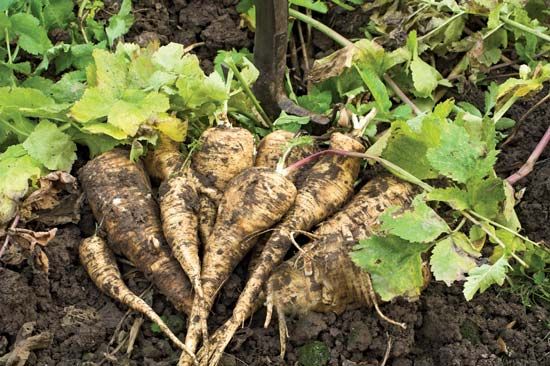
- Wild parsnip: A common relative that shares similar structural characteristics.1
- Water parsnip: Another member of the Apiaceae family that is often mistaken for cow parsnip.1
- Giant hogweed: An invasive species that is particularly dangerous; contact with its sap can cause severe photosensitive blistering, scarring, and even blindness.1
What are the potential dangers or health risks associated with cow parsnip?
The primary health risk associated with cow parsnip (Heracleum) is its potential to cause skin irritation and blistering in humans upon contact. Because these plants belong to the parsley family, they are often confused with other species that pose even more severe threats.1
It is essential to exercise extreme caution, as some related plants, such as giant hogweed, contain sap that causes severe photosensitive blistering, permanent scarring, and even blindness. Furthermore, misidentification can lead to accidental contact with or ingestion of highly toxic relatives like water hemlock, which is lethal to humans and livestock. Given these significant risks, one should always prioritize safety by avoiding direct contact with any plant in this genus if you are not certain of its identification.1
How tall can cow parsnip grow, and what is its typical lifespan?
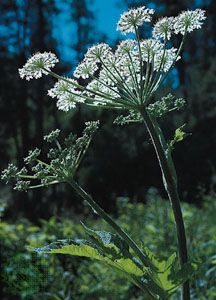
Cow parsnip (Heracleum) plants are typically characterized as either biennial or perennial herbs. Regarding their stature, species such as the North American common cow parsnip (H. maximum) can grow to heights exceeding 2 metres (7 feet).21
While the genus generally consists of perennial plants, some specific varieties are classified as biennials. These plants are well-known for their significant height and large, broad clusters of white or purplish flowers.12
What is cow parsnip and where is it commonly found?
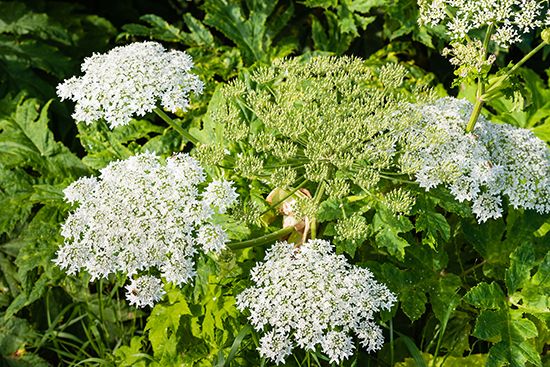
Cow parsnip refers to a genus of approximately 60 species of flowering plants belonging to the parsley family. These biennial or perennial herbs are characterized by their hollow stems, thick taproots, and large, broad clusters of white or purplish flowers.21
Regarding their distribution, cow parsnips are found throughout the North Temperate Zone and on tropical mountains. Specific species have distinct native ranges:1
- Common cow parsnip (H. maximum or H. lanatum) is native to North America.21
- Common hogweed (H. sphondylium) is native to Eurasia and has naturalized in parts of eastern North America.1
- Giant hogweed (H. mantegazzianum) is native to the Caucasus but has become an invasive species in many regions outside its native range.1
Because these plants can cause skin irritation and are often confused with highly toxic relatives like water hemlock, it is important to exercise caution when encountering them in the wild.1
Sources
- cow parsnip — Encyclopædia Britannica
- cow parsnip — Merriam-Webster
- giant cow parsnip — Merriam-Webster
- water hemlock — Encyclopædia Britannica
Published on · 3 min read