Curry Tree
The curry tree (Murraya koenigii) is a tropical to subtropical flowering plant in the Rutaceae family, native to India and Sri Lanka. It is an evergreen…
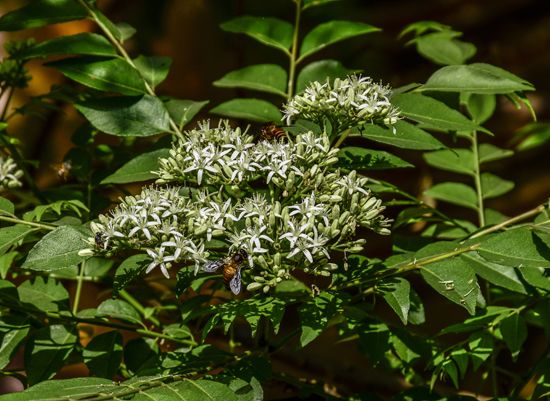
What is curry tree?
The curry tree (Murraya koenigii) is a tropical to subtropical flowering plant in the Rutaceae family, native to India and Sri Lanka. It is an evergreen shrub known for its fragrant, compound leaves, which are a staple in Indian cuisine.12
It is important to distinguish the curry tree from curry powder, a spice blend that may not contain the leaves, and the unrelated curry plant (Helichrysum italicum). The leaves are often fried in oil or ghee to create tadka, a flavorful tempering used in dishes like chutneys and curriestopic/chutney) and curries.21
Beyond culinary uses, the plant is studied for potential medicinal properties, including antibiotic and antifungal effects, and its possible role in reducing risks for heart disease, diabetes, and cancer. Because the tree can host the Asian citrus psyllid, its cultivation is regulated in some regions to protect citrus crops.12
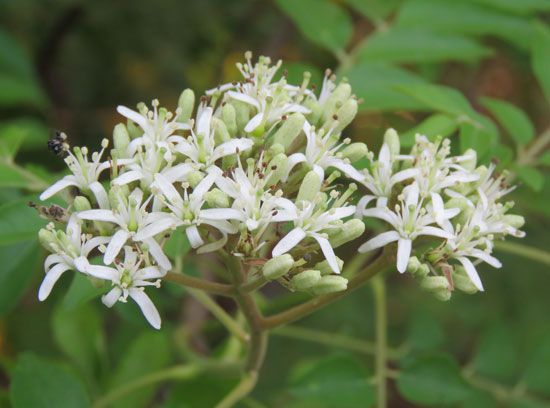
How is the curry tree different from the curry plant?
It is a common misconception that the curry tree and the curry plant are the same; however, they are distinct species with different origins and characteristics.
The curry tree (Murraya koenigii) is a tropical evergreen shrub native to India and Sri Lanka. It belongs to the Rutaceae family and is prized for its fragrant, compound leaves, which are a fundamental ingredient in Indian cuisine. These leaves are often fried in oil or ghee to create a flavorful tempering known as tadka.1
In contrast, the “curry plant” (Helichrysum italicum) is an unrelated species found in southern Europe. While it is known for having a similar, curry-like scent, it is not the source of the culinary curry leaves used in South Asian cooking. Furthermore, both should be distinguished from curry powder, which is a dry spice blend that may or may not contain dried curry tree leaves.1
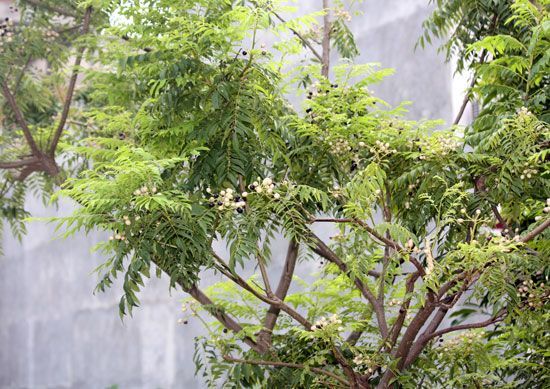
What is the difference between curry leaves and curry powder?
It is a common misconception that curry leaves and curry powder are the same, but they are distinct culinary components with different origins and uses.
Curry Leaves The curry leaf (Murraya koenigii) is the fresh or dried leaflet of a tropical evergreen shrub native to India and Sri Lanka. These leaves are a staple ingredient in Indian cuisine, prized for their unique fragrance—often described as a mix of citrus, lemongrass, and anise. They are typically fried in oil or ghee to create a flavorful tempering known as tadka.34
Curry Powder In contrast, curry powder is a dry spice blend adapted by British settlers in India to replicate the flavors of Indian cooking. It is a mixture of ground spices—such as turmeric, cumin, coriander, and cardamom—and may or may not contain dried curry tree leaves.34
While traditional Indian cooks prepare fresh spice blends called masala at home, commercial curry powder is a standardized product designed for convenience.3
Why is the curry tree considered a weed in some parts of Australia?
The curry tree (Murraya koenigii) is considered a weed in Australia primarily due to its rapid growth and efficient method of dispersal.
The plant spreads quickly across the landscape because birds consume its small, dark fruits and subsequently distribute the seeds through their droppings. This ability to colonize new areas effectively has led to its classification as a weed in the region.1
Sources
- curry tree: Top Questions — Encyclopædia Britannica
- curry tree — Encyclopædia Britannica
- curry leaf — Merriam-Webster
- curry — Encyclopædia Britannica
Published on · 3 min read