Cowpea
The cowpea (Vigna unguiculata), often known as the black-eyed pea, is a highly valued legume within the Fabaceae family.
What are the nutritional benefits of cowpeas, and why are they important in many diets?
The cowpea (Vigna unguiculata), often known as the black-eyed pea, is a highly valued legume within the Fabaceae family.
Cowpeas are nutritionally significant primarily because they are a rich source of protein. Like many other members of the legume family, their edible seeds contain a high concentration of protein and provide many of the essential amino acids necessary for human health. Because of this high protein content, they serve as a vital food crop in many regions, particularly in warm climates where they are native to West Africa.
Beyond their direct nutritional value for human consumption, cowpeas are also important in agricultural systems. They are heat-adapted and drought-tolerant, making them a reliable crop in challenging environments. They are frequently utilized as green manure or cover crops to improve soil health, as well as for livestock forage.
What are the different varieties of cowpea, and how do they differ?
The provided search results do not contain information regarding the specific varieties of cowpea or how they differ from one another. While the results identify the cowpea (Vigna unguiculata) as a distinct species—noting that the black-eyed pea is a common name for this plant—they do not categorize or describe individual cultivars or their distinguishing characteristics.
How does cowpea contribute to sustainable agriculture and food security?
Cowpeas (Vigna unguiculata) play a significant role in sustainable agriculture and food security due to their resilience and versatility. As a heat-adapted and drought-tolerant annual plant, they are particularly well-suited for cultivation in warm regions where other crops might struggle.1
Their contributions to sustainability and food security include:
- Nutritional Security: Cowpeas are a vital protein-rich food source, providing essential nutrients for human populations.1
- Soil Health: They are widely used as green manure and cover crops. By being planted during off-seasons or between rows of other crops, they help prevent soil erosion, increase soil nutrients, and add necessary organic matter to the land.16
- Agricultural Versatility: Beyond human consumption, their ability to serve as a hay crop makes them valuable for livestock forage, supporting broader agricultural systems.1
By improving soil quality and providing a reliable food source in challenging climates, cowpeas serve as a cornerstone for resilient farming practices.16
How is cowpea cultivated, and what are its preferred growing conditions?
Cowpeas (Vigna unguiculata) are annual plants within the Fabaceae family that are primarily cultivated in warm regions globally.1
Growing Conditions
Cowpeas are highly valued for their ability to thrive in challenging environments. They are specifically characterized as:
- Heat-adapted: The plants are well-suited for high-temperature climates.1
- Drought-tolerant: They possess a strong resilience to dry conditions, making them a reliable crop in areas where water availability may be limited.1
Cultivation Practices
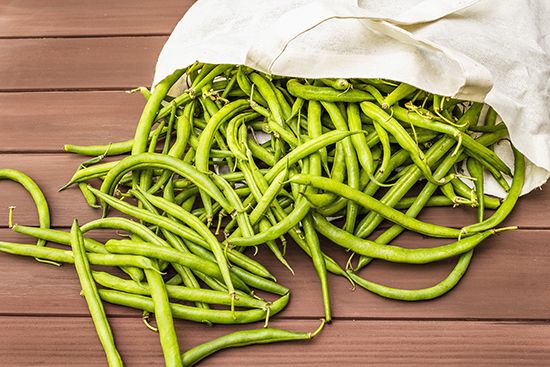
While they are often grown as a protein-rich food source, their cultivation is versatile. Farmers frequently grow them as a hay crop to support livestock or utilize them as green manure and cover crops to improve soil health. Physically, these plants typically grow as climbing or trailing vines, producing long, cylindrical pods that range from 20 to 30 cm (8 to 12 inches) in length, depending on the specific cultivar.1
Sources
- Cowpea — Encyclopædia Britannica
- cowpea — Merriam-Webster
- Legume — Encyclopædia Britannica
- black-eyed pea — Merriam-Webster
- Pea — Encyclopædia Britannica
- Cover crop — Encyclopædia Britannica
Published on · 2 min read