Wisteria
Wisteria is a genus comprising 8–10 species of woody, twining vines belonging to the pea family (Fabaceae). Native primarily to Asia and North America, these…
What is wisteria?
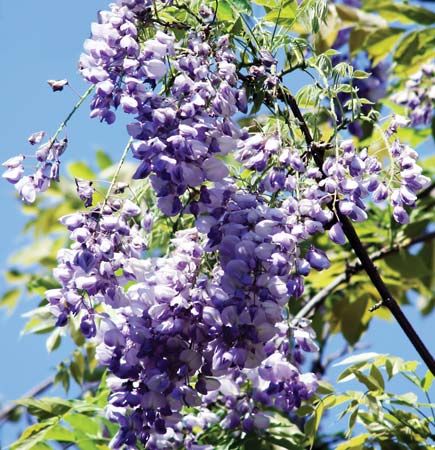
Wisteria is a genus comprising 8–10 species of woody, twining vines belonging to the pea family (Fabaceae). Native primarily to Asia and North America, these fast-growing plants are widely cultivated for their ornamental value, characterized by pinnately compound leaves and large, drooping clusters of blue, purple, rose, or white flowers.1
While prized for their beauty, wisteria can be aggressive; in regions outside their native range, they may escape cultivation and become invasive species may escape cultivation and become invasive species. Gardeners should also note that the seeds produced in their long legumes are poisonous. Because they often take several years to bloom, they are typically propagated through grafts or cuttings. Popular varieties include the hardy Japanese wisteria, the American wisteria, and the Chinese wisteria.1
Why are some wisteria species considered invasive?
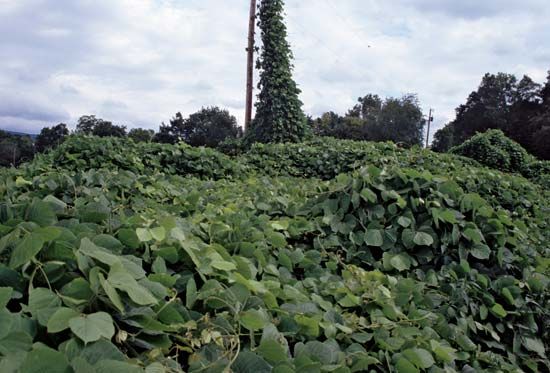
Some wisteria species are considered invasive species because they are large, fast-growing plants that can thrive in a variety of environments, including poor soils. When introduced to regions outside their native range, these vigorous vines often escape cultivation and spread aggressively, potentially outcompeting native vegetation.1
Their ability to establish themselves quickly and tolerate diverse conditions allows them to dominate local habitats, which is why they are frequently monitored or managed in areas where they are not indigenous.1
What are other examples of plants in the pea family?
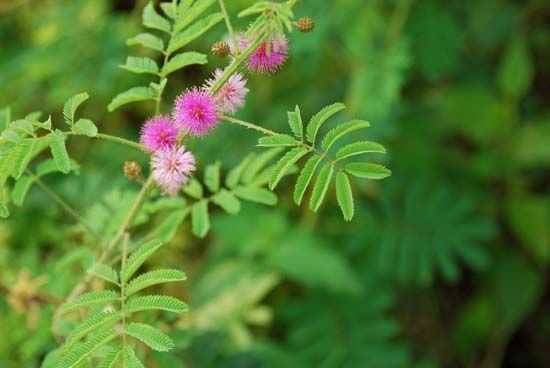
The Fabaceae family, commonly known as the pea family, is one of the largest and most economically significant groups of flowering plants. It includes a vast array of trees, shrubs, vines, and herbs that are vital for human and livestock nutrition.2
Beyond the common garden pea, many other well-known plants belong to this diverse family:
- Food Crops: Soybeans, peanuts, chickpeas, lentils, cowpeas, and green beans are all members of the family.23
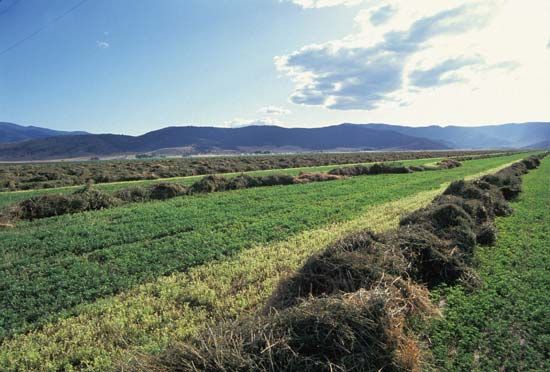
- Forage and Industrial Plants: Alfalfa is a primary example of a legume grown extensively for livestock feed.2
- Other Notable Species: The family also includes the carob tree and the tamarind, as well as the monkey ladder (Entada gigas), which produces some of the largest legume fruits in the world.3
These plants are characterized by their fruit, known as a legume, which typically develops as a pod that splits along two seams to release its seeds.3
How do vines climb and support themselves?
Vines utilize several specialized strategies to climb and secure themselves to substrates, allowing them to reach sunlight and support their stems. These methods primarily include:5
- Tendrils: These are slender, prehensile organs—often modified leaves, leaflets, or stem branches—that are highly sensitive to contact. When a tendril brushes against an object, it wraps around it. Once attached, the tendril develops strong mechanical tissue (sclerenchyma) to support the plant’s weight7. Some tendrils even flatten at the tip to secrete an adhesive, cementing themselves to surfaces.6
- Twining: Many vines climb by physically wrapping their stems around a support, such as a tree trunk or trellis.5
- Adventitious Roots: Certain climbing plants, such as English ivy, produce specialized adventitious roots along their stems. These roots act as holdfasts, gripping the support surface to anchor the vine as it grows.7
While some plants rely on these structures, others may simply creep along the ground if no vertical support is available.5
Sources
- wisteria — Encyclopædia Britannica
- Fabaceae — Encyclopædia Britannica
- Legume — Encyclopædia Britannica
- Pea — Encyclopædia Britannica
- vine — Encyclopædia Britannica
- Adventitious root — Encyclopædia Britannica
- Tendril — Encyclopædia Britannica
- reptile - Clinging and climbing — Encyclopædia Britannica
Published on · 2 min read