Chickpea
The chickpea (Cicer arietinum), also known as the garbanzo bean, is an annual plant belonging to the Fabaceae family. These bushy, 60-cm plants produce small…
What is Chickpea?
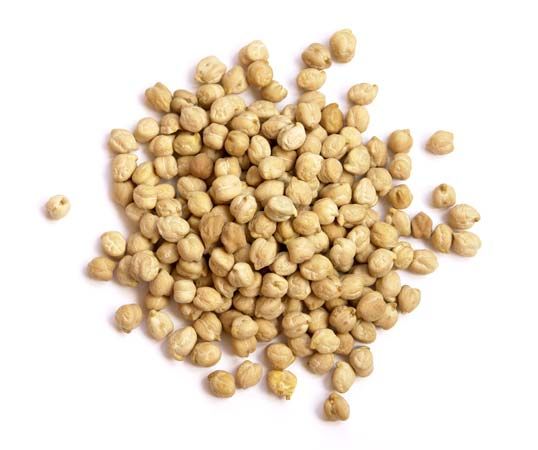
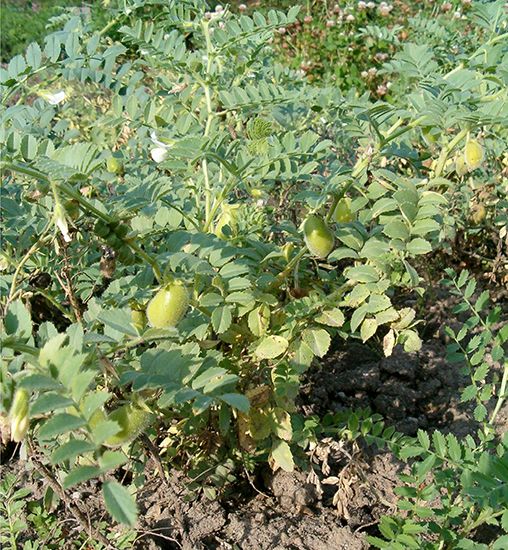
The chickpea (Cicer arietinum), also known as the garbanzo bean, is an annual plant belonging to the Fabaceae family. These bushy, 60-cm plants produce small white or reddish flowers and pods containing one or two yellow-brown seeds.123
Chickpeas are a vital food source in regions including India, Africa, and the Americas, prized for being high in protein, fibre, iron, and folic acid. They are a staple ingredient in many global cuisines, notably used to make hummus and falafel. Additionally, because they maintain a symbiotic relationship with nitrogen-fixing bacteria, they are often used in crop rotation to improve soil health.13
What are some other types of legumes besides chickpeas?
The legume family (Fabaceae) is vast and includes many important food crops beyond the chickpea. These plants are valued for their high protein content and their ability to improve soil health through nitrogen fixation.43
Common types of legumes include:
- Soybeans: The most economically significant bean globally, used for tofu, animal feed, and various industrial products.3
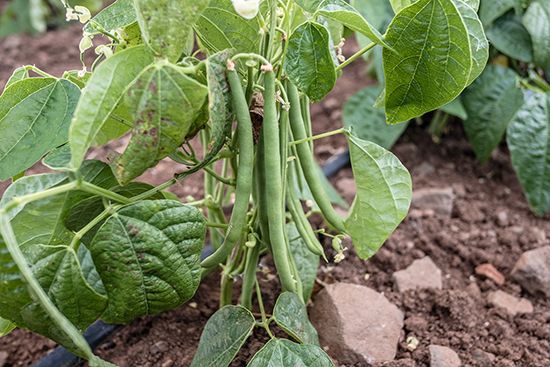
- Common beans: This group includes many familiar varieties such as kidney beans, green beans, navy beans, pinto beans, and black beans.43
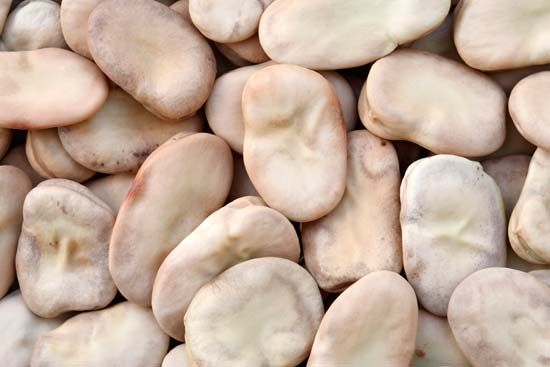
- Broad beans: Also known as fava beans, these are a staple in European cuisine and are notable for their ability to tolerate slight freezing.3
- Lima beans: Often called butter beans, these are distinguished by fine ridges on their seed coats.3
- Cowpeas: Frequently known as black-eyed peas, these are widely used in the southern United States and the Caribbean.3
- Lentils: Small, lens-shaped seeds that are a major source of protein in many diets.4
- Peas: Including garden peas and snow peas, which are often harvested while young and fleshy.4
- Peanuts: Unique among many legumes because they do not naturally split open to release their seeds.4

How do nitrogen-fixing bacteria help plants grow?
Nitrogen-fixing bacteria are essential to plant growth because they transform atmospheric nitrogen—which most plants cannot use directly—into fixed nitrogen, such as ammonia, that plants can utilize for development.5
Nitrogen is a critical macroelement required for the synthesis of proteins and nucleic acids, making it vital for plant metabolism and structure. In a mutualistic relationship, symbiotic bacteria like Rhizobium invade the root hairs of legumes, stimulating the formation of root nodules. Within these nodules, the bacteria convert nitrogen into a usable form for the host plant.675
Beyond supporting the host, these bacteria contribute to soil fertility. Because they enrich the soil with nitrogen, legumes are frequently used in crop rotation and as green manures to provide organic nitrogen for other crops, promoting healthier agricultural ecosystems.57
What are the main differences between garbanzo beans and other bean varieties?
Garbanzo beans, also known as chickpeas, are distinct from many other bean varieties primarily in their botanical classification and physical characteristics. While many common beans belong to the genus Phaseolus or Vigna, the garbanzo bean is the species Cicer arietinum.18
Key differences include:
- Botanical Structure: Garbanzo plants are bushy and typically reach about 60 cm (2 feet) in height. Unlike many climbing or vining beans, they produce pods that contain only one or two seeds.18
- Seed Appearance: The seeds are generally yellow-brown and have a distinct shape compared to the wide variety of colors and forms found in common beans, which can range from kidney-shaped to spherical and appear in colors from white to black.18
- Culinary Identity: While many beans are used in diverse global cuisines, garbanzo beans are uniquely central to Mediterranean and Middle Eastern dishes, serving as the primary ingredient for hummus and falafel.18
- Growth Requirements: Unlike the broad bean, which tolerates slight freezing, or the lima bean, which requires a longer, warmer season, the chickpea is adapted to specific regional climates in India, Africa, and the Americas.18
Sources
- Chickpea — Encyclopædia Britannica
- chickpea — Merriam-Webster
- Bean — Encyclopædia Britannica
- Legume — Encyclopædia Britannica
- Nitrogen-fixing bacteria — Encyclopædia Britannica
- Plant - Essential elements and minerals — Encyclopædia Britannica
- Nitrogen-fixing bacteria: Top Questions — Encyclopædia Britannica
- Fabaceae — Encyclopædia Britannica
Published on · 3 min read