Carob
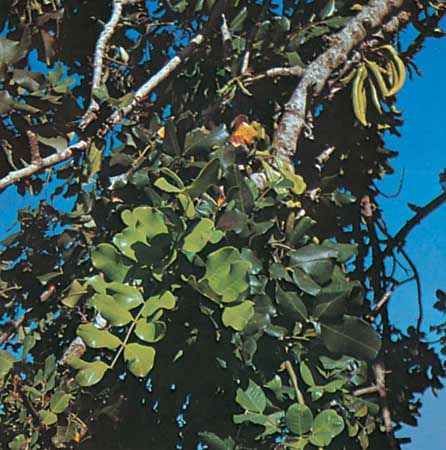
Carob (Ceratonia siliqua) is a tree belonging to the pea family (Fabaceae), native to the eastern Mediterranean region. It is primarily cultivated for its…
What is carob?
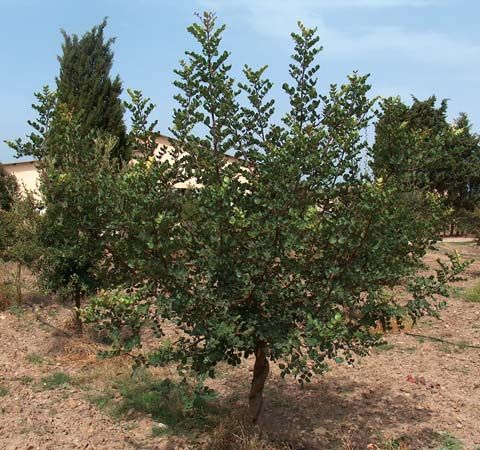
Carob (Ceratonia siliqua) is a tree belonging to the pea family (Fabaceae), native to the eastern Mediterranean region. It is primarily cultivated for its edible, leathery pods, which measure between 7.5 and 30 cm in length and contain a sweet pulp with hard brown seeds.1
When dried and ground, these pods produce a powder with a flavor profile reminiscent of cocoa. Consequently, carob powder, chips, and syrups are frequently utilized as a substitute for chocolate in various health-food products. The plant is also historically known as “locust bean” or “St. John’s bread,” based on the tradition that the “locusts” consumed by John the Baptist were actually carob pods.1
How does carob differ from cocoa in nutritional content?
Carob and cocoa differ significantly in their chemical composition and physiological effects. While both are used in similar culinary applications, their nutritional profiles are distinct:
- Cocoa: Cocoa is a high-energy food containing carbohydrates, protein, and easily digested fats. It provides approximately 1,000 calories per kilogram and contains theobromine and caffeine, which act as mild stimulants.2
- Carob: Carob is derived from the sweet, edible pulp of the legume pods of the Ceratonia siliqua tree. Unlike cocoa, carob does not contain the stimulating compounds theobromine or caffeine, which is why it is frequently marketed as a caffeine-free alternative to chocolate in health-food products.12
While the provided information highlights the presence of stimulants in cocoa and the sweet, pulp-based nature of carob, the search results do not provide a direct, side-by-side quantitative breakdown of their specific vitamin or mineral contents.
What are some other plants in the pea family?
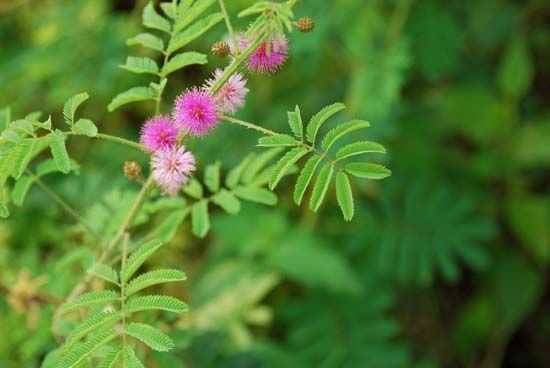
The Fabaceae family, commonly known as the pea or legume family, is one of the largest and most economically significant plant families. It includes a vast array of trees, shrubs, vines, and herbs that are vital for human and livestock nutrition.
Some notable plants in this family include:
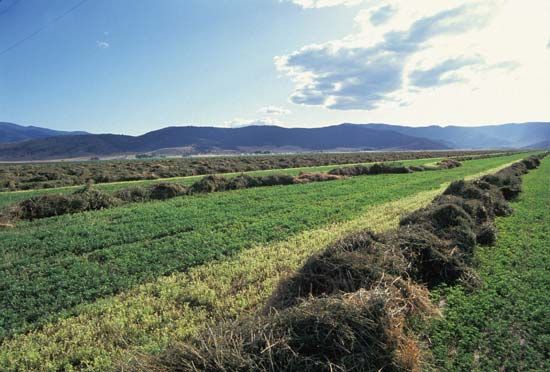
- Major Food Crops: Soybeans, garden peas, peanuts, and alfalfa are among the most commercially important species.3
- Common Beans: The common bean (Phaseolus vulgaris) includes varieties such as kidney, pinto, navy, and green beans.4
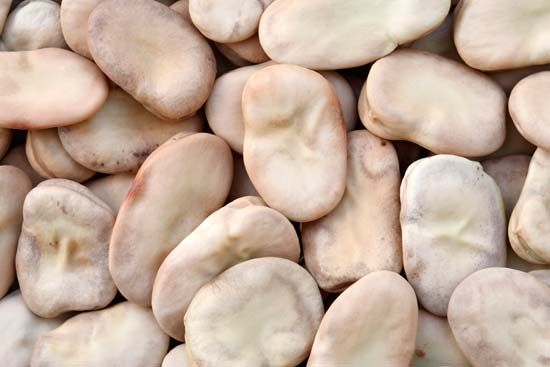
- Other Legumes: The family also encompasses chickpeas (garbanzo beans), lentils, cowpeas (black-eyed peas), broad beans (fava beans), lima beans, mung beans, and tamarind.54
- Ornamentals and Others: Plants like the scarlet runner bean and the hyacinth bean are often grown for their ornamental value, while the monkey ladder is noted for producing some of the largest legume fruits.54
Many of these plants are valued for their high protein content and their ability to improve soil health through a symbiotic relationship with nitrogen-fixing bacteria.44
How is carob processed into powder?
Carob powder is produced from the carob tree (Ceratonia siliqua), a member of the Fabaceae family. The processing method is relatively straightforward: the tree produces flat, leathery pods that contain a sweet, edible pulp and several hard brown seeds. To create the powder, these pods are allowed to ripen and are then dried. Once dried, the pods are ground into a fine powder, which is often used as a caffeine-free alternative to cocoa in various chocolate-flavored products.1
Sources
- carob — Encyclopædia Britannica
- cocoa - Nutritive value — Encyclopædia Britannica
- Fabaceae — Encyclopædia Britannica
- Legume — Encyclopædia Britannica
- Fabales - Classification of Fabaceae — Encyclopædia Britannica
- Bean — Encyclopædia Britannica
Published on · 2 min read