Cress
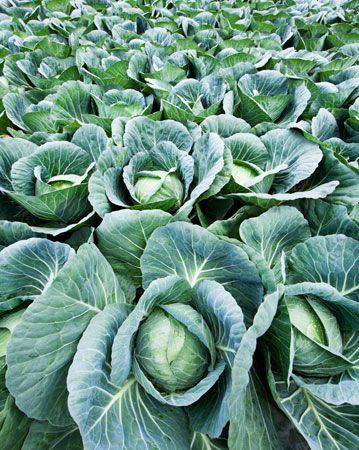
Cress refers to various plants, primarily within the mustard family, valued for their pungent, edible leaves. Commonly consumed types include:
What are the different types of cress plants commonly grown and consumed?
Cress refers to various plants, primarily within the mustard family, valued for their pungent, edible leaves. Commonly consumed types include:12
- Watercress: A popular, hardy perennial often found in streams and ditches, frequently used in salads and sandwiches.12
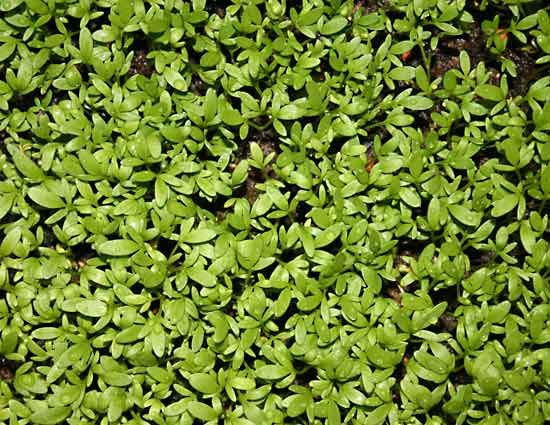
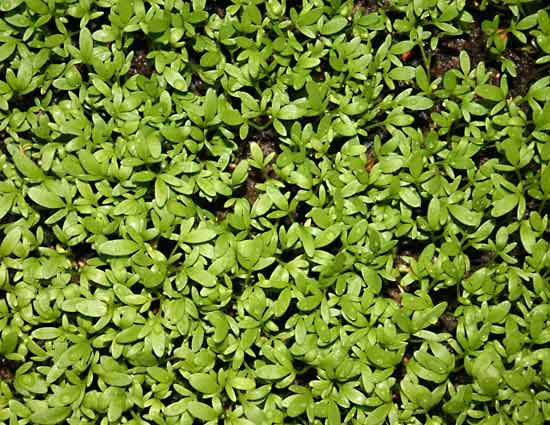
- Garden cress: Also known as peppergrass, this fast-growing annual is widely cultivated for its leaves and as a garnish.123
- Mustard seedlings: Often sold as “cress” for use in salads and sandwiches, these are typically derived from white mustard.1
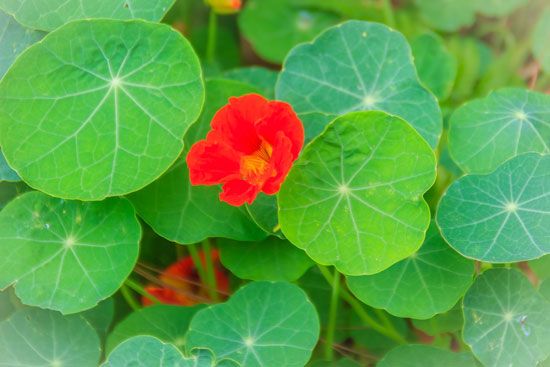
- Common nasturtium: Sometimes called Indian cress, it is edible but primarily grown as an ornamental plant.1
Other varieties, such as upland cress, winter cress, and bitter cress, are also recognized as cress, though they are often considered weeds or are less frequently cultivated for culinary use.145
How are cress plants typically cultivated, and what growing conditions do they prefer?
Cress plants are cultivated in various environments depending on the species, though they generally thrive in moist conditions.
Cultivation and Growing Conditions
- Watercress: This aquatic perennial is typically grown in cool, flowing streams where it can remain submerged or spread across mud surfaces. For commercial or garden production, it is often cultivated in specialized tanks or consistently moist soil.14
- Garden cress: As a fast-growing annual, this plant is widely cultivated for its pungent leaves. It is generally adaptable and grown in soil, often harvested at the seedling stage for use as a garnish.16
- Winter cress: These hardy biennials or perennials are sometimes cultivated as salad plants. They are native to north temperate regions and are often found growing in fields or damp areas.71
- Other Varieties: Plants like bitter cress are specifically suited for damp meadows or bog gardens. While some species are grown in rock gardens, many others are considered weeds and are rarely cultivated.1
Regardless of the variety, successful cultivation requires monitoring for common agricultural threats, such as insects, plant diseases, and weeds, which can significantly reduce crop yields.8
Are there any medicinal or traditional uses for cress plants?
The provided search results do not contain information regarding specific medicinal or traditional uses for cress plants. While the records note that cress species are primarily valued for their piquant leaves in salads, seasonings, and garnishes, they do not detail historical or therapeutic applications for these plants.13
The available documentation on ancient medicine focuses on other botanical and mineral substances, such as senna, peppermint, and ephedrine-containing plants, rather than cress.9
What are the nutritional benefits of eating cress?
The provided search results do not contain information regarding the specific nutritional benefits of consuming cress plants. While the records identify various species within the mustard family as being valued for their piquant leaves in salads, seasonings, and garnishes, they do not detail the vitamin, mineral, or other nutrient content of these plants.1
Sources
- cress — Encyclopædia Britannica
- upland cress — Merriam-Webster
- cress — Merriam-Webster
- garden cress — Merriam-Webster
- land cress — Merriam-Webster
- watercress — Encyclopædia Britannica
- Agricultural technology - Crop protection — Encyclopædia Britannica
- winter cress — Encyclopædia Britannica
- pharmaceutical industry - Medicines of ancient civilizations — Encyclopædia Britannica
Published on · 2 min read