Croton
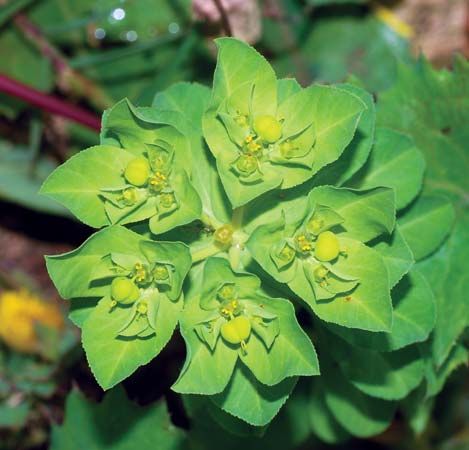
The term "croton" commonly refers to two distinct groups of plants within the spurge family (Euphorbiaceae).
What is croton?
The term “croton” commonly refers to two distinct groups of plants within the spurge family (Euphorbiaceae).12
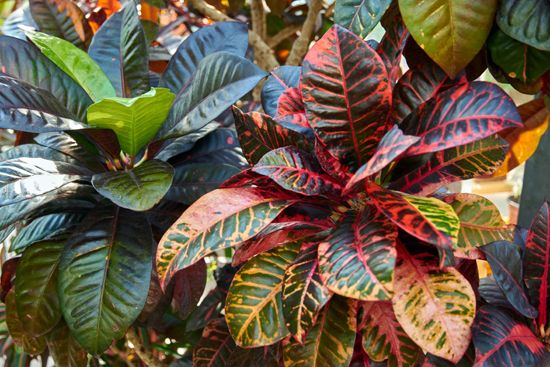
- Ornamental Croton (Codiaeum variegatum): This is the colorful-leaved plant widely cultivated as a houseplant or outdoor shrub. It is known for its glossy, leathery leaves that display vibrant patterns of green, yellow, orange, red, and purple. While popular for its aesthetic appeal, it is important to note that the plant’s sap can be irritating to the skin and the plant is considered poisonous.1
- True Croton (Croton genus): This genus includes various herbs, shrubs, and trees. A notable member is the purging croton (Croton tiglium), a small tree native to Southeast Asia. Its seeds are the source of croton oil, which is highly poisonous.21
Because these plants contain toxic compounds, it is essential to handle them with care and keep them out of reach of children and pets to ensure safety.
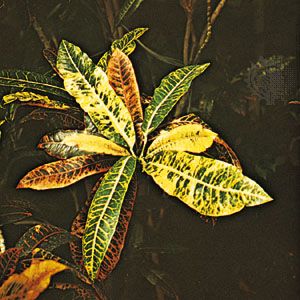
What makes the leaves of a croton plant change color?
The vibrant colors of the croton (Codiaeum variegatum) are primarily the result of anthocyanin pigments present within the leaves.1
Unlike deciduous trees that change color seasonally due to the breakdown of chlorophyll, the croton is an evergreen plant that maintains its colorful display year-round. The specific hues—ranging from yellow and orange to red, crimson, and purple—are determined by the presence and concentration of these water-soluble pigments, which are stored in the vacuoles of the plant’s cells.145
The appearance of these colors can be influenced by several factors:
- Genetic Variation: Different horticultural varieties are bred to express specific combinations of pigments.15
- Environmental Conditions: Factors such as light intensity and temperature can influence pigment development.5
- Cell Chemistry: The acidity or alkalinity of the cell sap can alter the expression of anthocyanins, shifting the perceived color.5
Why is the sap of the croton plant considered poisonous?
The sap of the croton (Codiaeum variegatum) is considered poisonous and irritating to the skin because it is a member of the Euphorbiaceae family, a group of plants frequently characterized by toxic sap, leaves, or fruits.16
While the ornamental houseplant Codiaeum variegatum is known for its skin-irritating sap, the term “croton” is also associated with the genus Croton, which includes the purging croton (Croton tiglium). The toxicity of the latter is particularly severe; its seeds contain croton oil, a highly poisonous and violent irritant that can cause reddening, swelling, and pustules upon skin contact, as well as severe internal distress if ingested.1678
Because these plants contain potentially harmful chemical constituents, it is important to handle them with caution and keep them out of reach of children and pets to prevent accidental exposure or ingestion.16
How do you properly care for a croton as a houseplant?
To properly care for a croton (Codiaeum variegatum) as a houseplant, it is important to understand its origins as a tropical shrub. While the provided information focuses on its botanical characteristics, successful cultivation generally requires mimicking its native environment:
- Light: Crotons require bright, indirect light to maintain their brilliant leaf coloration. Insufficient light often leads to the loss of vibrant hues and may cause the plant to become leggy.
- Temperature and Humidity: As tropical plants, they thrive in warm, humid conditions. They should be kept away from cold drafts and heating vents.
- Watering: Keep the soil consistently moist but not waterlogged. Ensure the pot has proper drainage to prevent root issues.
- Safety: Because the plant is considered poisonous and its sap can be irritating to the skin, it is essential to wear gloves when pruning or handling the plant and to keep it out of reach of children and pets.1
Sources
- croton — Encyclopædia Britannica
- croton — Merriam-Webster
- Codiaeum — Merriam-Webster
- Why Do Leaves Change Color in the Fall? — Encyclopædia Britannica
- Anthocyanin — Encyclopædia Britannica
- poison - Plant poisons (phytotoxins) — Encyclopædia Britannica
- Euphorbiaceae — Encyclopædia Britannica
- croton oil — Encyclopædia Britannica
- croton oil — Merriam-Webster
Published on · 3 min read