Snow-on-the-mountain
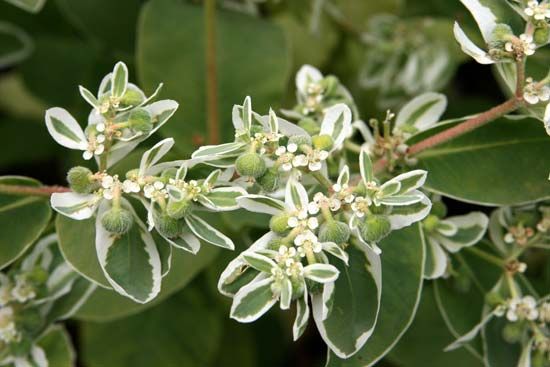
Snow-on-the-mountain (Euphorbia marginata) is a succulent plant belonging to the spurge family (Euphorbiaceae). Native to the central plains of the United…
What is snow-on-the-mountain?
Snow-on-the-mountain (Euphorbia marginata) is a succulent plant belonging to the spurge family (Euphorbiaceae). Native to the central plains of the United States, this annual plant typically reaches a height of about 60 cm (2 feet).12
It is widely cultivated as an ornamental for its attractive foliage, which consists of long, light green leaves that feature white margins near the top of the plant. These upper sections are clustered with showy white whorls of bracts—leaflike structures that surround the plant’s small flowers.12
While popular in gardens and flower arrangements, it is important to note that the plant contains a milky, often poisonous latex sap that can cause allergic reactions in some individuals. Like other members of the genus Euphorbia, it is characterized by this distinct sap and unique floral structures known as cyathia.13
What are some other common plants in the spurge family?
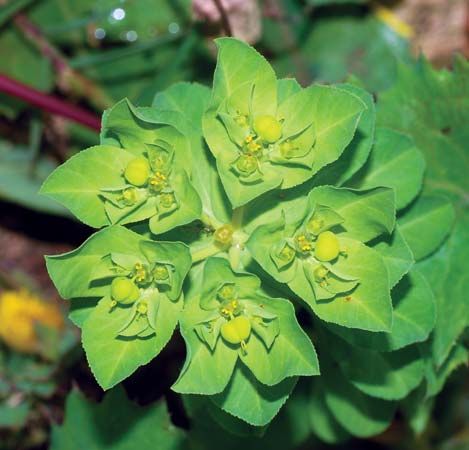
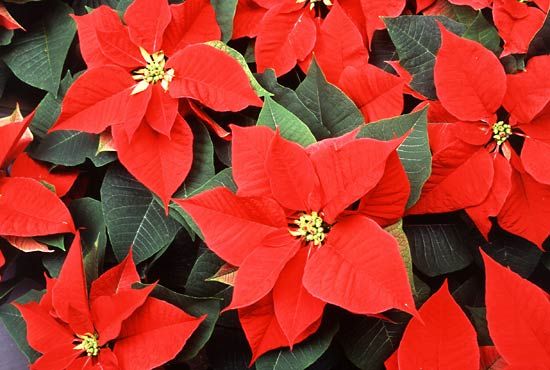
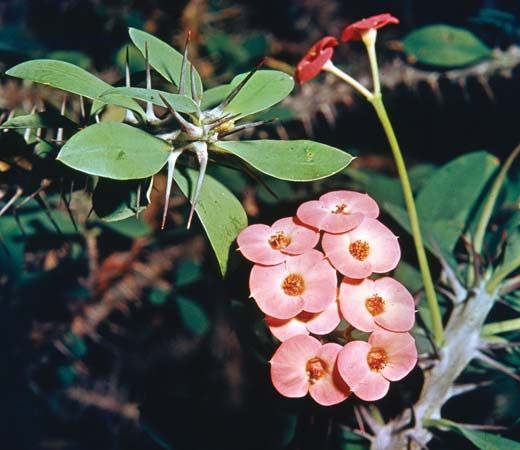
The Euphorbiaceae family, commonly known as the spurge family, is a vast and diverse group of flowering plants that includes approximately 6,880 species. Beyond the Euphorbia genus, which includes plants like snow-on-the-mountain, poinsettia, and crown of thorns, the family features many economically and ecologically significant plants.43
Commonly recognized members of this family include:
- Cassava: A vital food crop known for its edible starchy roots.4
- Rubber tree: The primary source of natural rubber.4
- Castor-oil plant: Cultivated for its oil, which has various industrial and medicinal uses.4
- Croton: A popular ornamental shrub known for its colorful, variegated foliage.4
- Manchineel: A tree known for its highly toxic sap and fruit.4
- Tallow tree: Often grown for the waxy substance derived from its seeds.4
- Sandbox tree: Notable for its explosive fruit capsules.4
- Jatropha: A genus that includes species explored for biofuel production.4
Many of these plants are characterized by the presence of milky, often poisonous latex and unique floral structures called cyathia.43
Why is the milky sap of many Euphorbia plants considered dangerous?
The milky sap found in many plants of the Euphorbiaceae family, particularly within the genus Euphorbia, is considered dangerous because it contains a complex mixture of substances—including alkaloids and glycosides—that can cause severe physiological reactions in humans and animals.17
The toxicity of this latex sap manifests in several ways:
- Contact Irritation: Exposure to the skin can lead to blistering, swelling, and intense irritation.7
- Ocular Damage: Contact with the eyes is particularly hazardous and can result in blindness.78
- Systemic Effects: If ingested, the sap can cause symptoms ranging from severe mouth burning and swelling to unconsciousness and, in extreme cases, death.7
Historically, the potent nature of this sap has even led to its use as an arrow poison. Because of these risks, it is important to handle these plants with caution, as even common garden varieties like snow-on-the-mountain can trigger allergic reactions in sensitive individuals.79
How do bracts differ from regular flower petals?
Bracts and petals are both modified leaves, but they differ significantly in their position and function within a plant’s structure.1213
- Position: A bract is a leaflike structure typically positioned beneath a flower or an inflorescence, often serving as a protective or supportive base. In contrast, petals are sterile floral appendages attached directly to the floral stalk, forming the inner layer of the perianth (the corolla).12141513
- Function: Petals are primarily specialized to attract pollinators through their color and appearance. While bracts are often small and green, they can sometimes be large and brightly colored—such as those found on poinsettias or dogwood blossoms—leading them to be mistaken for petals. In some cases, when true petals are missing, bracts may evolve to mimic the appearance and function of petals to assist in pollination.131215
Sources
- snow-on-the-mountain — Encyclopædia Britannica
- snow-on-the-mountain — Merriam-Webster
- spurge — Encyclopædia Britannica
- list of plants in the family Euphorbiaceae — Encyclopædia Britannica
- poinsettia — Encyclopædia Britannica
- snow plant — Merriam-Webster
- Euphorbiaceae — Encyclopædia Britannica
- poison - Plant poisons (phytotoxins) — Encyclopædia Britannica
- Euphorbiaceae — Merriam-Webster
- Botanical Barbarity: 9 Plant Defense Mechanisms — Encyclopædia Britannica
- Malpighiales - Euphorbiaceae , Peraceae, and Rafflesiaceae — Encyclopædia Britannica
- Bract — Encyclopædia Britannica
- bract — Merriam-Webster
- Angiosperm - General features — Encyclopædia Britannica
- Petal — Encyclopædia Britannica
Published on · 3 min read