Cumbres De Monterrey National Park
Cumbres de Monterrey National Park is a protected area located in the Sierra Madre Oriental mountain range within the state of Nuevo León, Mexico.
What is Cumbres de Monterrey National Park?
Cumbres de Monterrey National Park is a protected area located in the Sierra Madre Oriental mountain range within the state of Nuevo León, Mexico.1
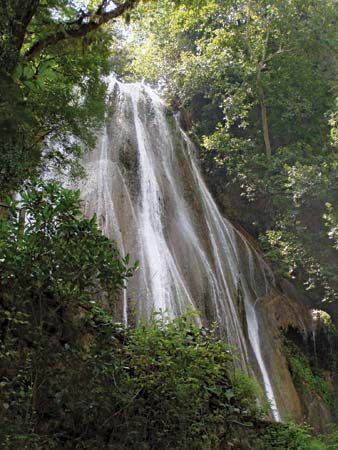
Established in 1939, the park spans 952 square miles (2,465 square km) and is characterized by its rugged mountainous terrain, with many peaks rising over 7,000 feet (2,100 metres) above sea level. The landscape features diverse ecosystems, including pine and oak forests on its lower slopes. Notable attractions within the park include the Huasteca Canyon ecological park near the city of Monterrey and the scenic 82-foot (25-metre) Cola de Caballo (Horse Tail) waterfalls located southwest of Santiago.1
What is the Sierra Madre Oriental mountain range?
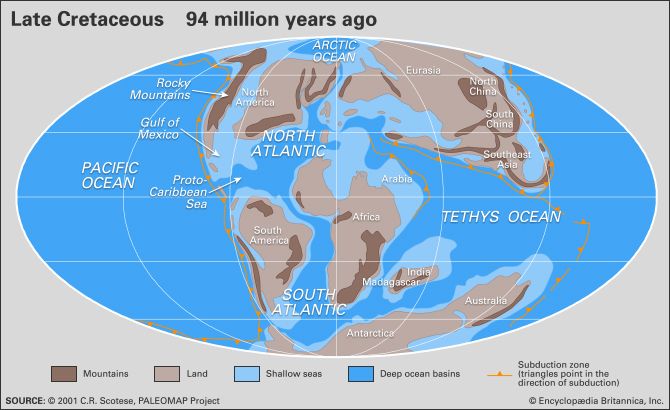
The Sierra Madre Oriental is a prominent mountain range in eastern Mexico that runs parallel to the coast of the Gulf of Mexico. Extending southeastward from the Big Bend of the Rio Grande, the range is characterized by rugged, rounded terrain composed primarily of folded sedimentary rocks from the Cretaceous Period.234
Key features of the range include:
- Elevation: Typical summits reach about 7,000 feet (2,100 metres), though some peaks, such as Cerro Peña Nevada, exceed 10,000 feet (3,000 metres).3
- Geology: The range’s current relief is the result of uplift, faulting, and erosion that has occurred since approximately 23 million years ago.4
- Climate and Vegetation: The eastern slopes act as a significant barrier to moisture, receiving high levels of rainfall that support broad-leaved tropical vegetation at lower elevations. In contrast, areas in the rain shadow are significantly drier.56
- Topography: The sierra contains steep-walled, narrow valleys and provides several natural gateways between the Gulf lowlands and the Mexican Plateau.3
What types of animals live in these mountain forests?
The mountain forests of the Sierra Madre, including those found in Cumbres de Monterrey National Park, support a variety of wildlife, though human activity has historically restricted their distribution.16
Common animals found throughout the Sierra Madre system include:
- Mammals: Deer and coyotes are widespread across the region. Black bear populations have remained relatively stable, while large cats such as jaguars and pumas are present but becoming increasingly scarce. Additionally, cottontail rabbits are abundant, and collared peccaries are fairly common.6
- Birds: The region is home to wild turkeys and various smaller game birds.6
- Other Species: While gray wolves were historically present, they are now restricted to remote areas of the northern Sierra Madre Occidental.6
It is important to note that the grizzly bear, once part of this ecosystem, is considered extinct in the wild in this region as of 1960. The diverse habitats—ranging from pine and oak forests to tropical broad-leaved areas—provide essential cover and resources for these species.61
Why are national parks important for protecting the environment?
National parks are essential for the preservation of the natural environment, serving as protected areas where landscapes, plants, and wildlife are maintained in their natural state. By setting aside these regions, governments ensure that ecosystems remain shielded from commercial exploitation, such as logging, livestock grazing, or unregulated hunting.78
The importance of these parks includes:
- Biodiversity Protection: Many parks act as self-contained ecosystems that provide secure habitats for diverse species, ranging from large mammals to unique cave-dwelling organisms.910
- Conservation Connectivity: Initiatives like transfrontier parks link protected areas across international borders, allowing migratory animal populations to move freely and maintaining broader biodiversity.9
- Scientific and Historical Value: Parks are often established to protect areas of significant scientific interest or historical importance, ensuring they remain intact for future generations.710
- Managed Public Access: While parks often rely on tourism for support, they resolve the paradox of human presence by limiting visitors to specific areas, which minimizes the disturbance of wildlife and natural habitats.7
Sources
- Cumbres de Monterrey National Park — Encyclopædia Britannica
- Sierra Madre - Physiography of the Sierra Madre — Encyclopædia Britannica
- Sierra Madre Oriental — Merriam-Webster
- Sierra Madre - Geology — Encyclopædia Britannica
- Sierra Madre - Climate — Encyclopædia Britannica
- Sierra Madre - Plant and animal life — Encyclopædia Britannica
- national park — Encyclopædia Britannica
- Africa - Conservation of Africa — Encyclopædia Britannica
- 7 Wonders of America — Encyclopædia Britannica
- National Park Service - Establishment of the NPS — Encyclopædia Britannica
Published on · 3 min read