Daisy
Daisies are flowering plants belonging to the Asteraceae family. Their most defining characteristic is a composite flower head, which is not a single blossom…
What are the main characteristics of daisies as flowering plants?
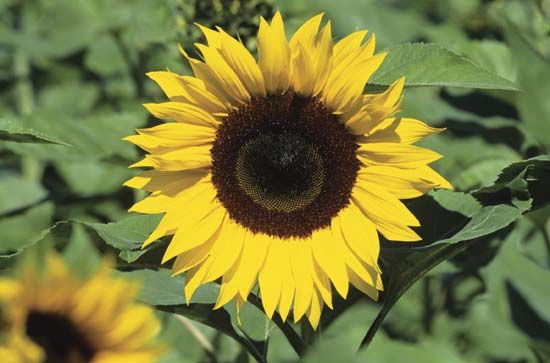
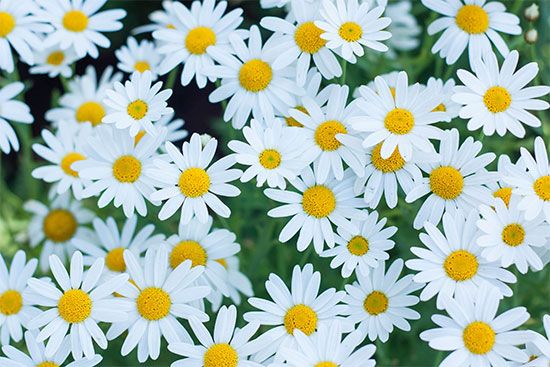
Daisies are flowering plants belonging to the Asteraceae family. Their most defining characteristic is a composite flower head, which is not a single blossom but a collection of many individual flowers.12
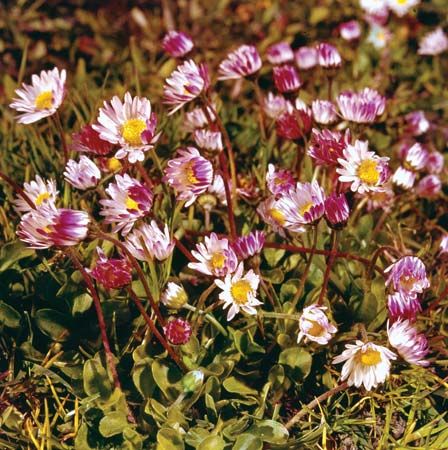
Typically, this head consists of a central cluster of bright yellow disk flowers surrounded by an outer ring of ray flowers. While these ray flowers resemble the petals of other plants, they are actually individual flowers with modified, elongated corollas. Common color combinations feature white ray flowers, though varieties with red or purple rays also exist.12
Most daisies are perennials that grow from a base of leaves, which can form a rosette pattern in species like the English daisy. They are often characterized by solitary flower heads borne on stalks, with some species featuring hairy bracts below the head. While native to Europe and Asia, many varieties have become widespread wild plants in North America.1
How many different species of daisies exist, and where are they commonly found?
The term “daisy” is a common name applied to a wide variety of species within the Asteraceae family, rather than a single taxonomic group. Because the name is used broadly to describe many different plants with similar composite flower structures, there is no specific, singular count of “daisy species” in botanical classification.1
The Asteraceae family itself is one of the largest plant families, containing more than 25,000 species distributed globally. Plants commonly referred to as daisies include:4
- Oxeye daisy: Native to Europe and Asia, it has become a widespread wild plant in the United States and other regions.1
- English daisy: Also native to Europe, it is now common in much of North America.1
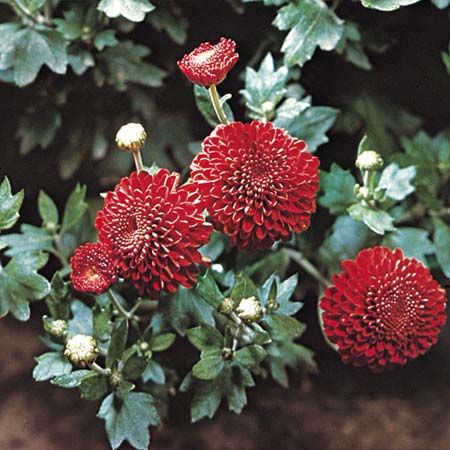
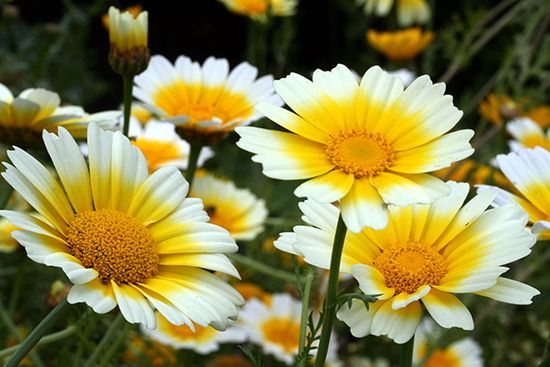
- Other varieties: These include the Shasta daisy, Gerbera daisy, marguerite daisy, and various members of the genera *Chrysanthemum* and Erigeron.1
What is the botanical classification of daisies, and which plant family do they belong to?
Daisies are not classified as a single taxonomic group but rather represent a common name applied to various flowering plants within the Asteraceae family.41
The Asteraceae family, also known as the aster or composite family, is one of the largest families of angiosperms, encompassing more than 1,620 genera and 25,000 species. Within this family, plants identified as daisies are characterized by their composite flower heads, which typically feature a central cluster of yellow disk flowers surrounded by ray flowers.41
Common examples include:
- Oxeye daisy (Leucanthemum vulgare)
- English daisy (Bellis perennis)
- Shasta daisy (L. ×superbum)
- Other species within genera such as Chrysanthemum and Erigeron.1
These plants are part of the order Asterales and are distributed globally, with fossil evidence suggesting the family may have originated approximately 50 million years ago.4
What are some common uses of daisies in gardens, medicine, and culture?
Daisies and their relatives in the Asteraceae family serve a variety of roles in gardens, medicine, and culture.
Garden Uses
Daisies are widely prized as ornamentals due to their aesthetic appeal and variety. Popular garden favorites include the English daisy, Shasta daisy, and various chrysanthemums. These plants are valued for their hardiness and ability to thrive in diverse environments, ranging from temperate regions to more challenging sites like cliff crevices or sandy soils.156
Medicinal and Chemical Uses
The Asteraceae family is a significant source of medicinal compounds:
- Insecticides: Pyrethrum, an environmentally friendly insecticide, is derived from the flowers of Tanacetum cinerariifolium.5
- Parasite Treatment: Extracts from wormwood (Artemisia) have been used to treat intestinal worms, and a sesquiterpene from A. annua is vital in treating quinine-resistant malaria.56
- Culinary and Industrial: While some species provide oils for cooking or manufacturing, others, like A. absinthium, are used to flavor absinthe.56
Cultural Significance
Beyond their practical uses, the term “daisy” has entered the cultural lexicon as a synonym for something excellent or outstanding, reflecting the flower’s long-standing status as a symbol of beauty.7
Sources
- Daisy — Encyclopædia Britannica
- dog daisy — Merriam-Webster
- Petal — Encyclopædia Britannica
- Asteraceae — Encyclopædia Britannica
- Asterales - Asteraceae — Encyclopædia Britannica
- 11 Questions About Useful Plants Answered - Can you eat flowers? — Encyclopædia Britannica
- Asteraceae - Economic importance — Encyclopædia Britannica
- daisies — Merriam-Webster
Published on · 3 min read