Dal River
The Dal River (Dalälven) is a major river located in south-central Sweden. It is formed by the confluence of two primary forks, the Öster Dal and Väster Dal…
What is Dal River?
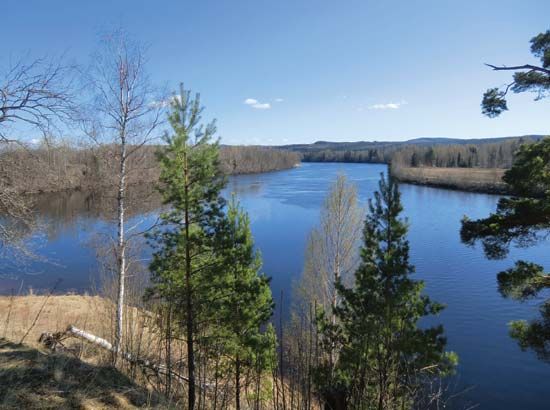
The Dal River (Dalälven) is a major river located in south-central Sweden. It is formed by the confluence of two primary forks, the Öster Dal and Väster Dal rivers. From its origins in the mountains near the Norwegian border, the river flows southeast for approximately 325 miles (520 km) before emptying into the Gulf of Bothnia.1
The river plays a significant role in the geography of the Dalarna region, where its tributaries carve deep valleys through the landscape. Notably, the Österdal branch flows through Lake Siljan, one of the largest lakes in Sweden. Historically, the river and its surrounding areas have been vital to Sweden’s industrial development, particularly through the mining and timber resources found within the region.2
What is the significance of Lake Siljan to the Dal River?
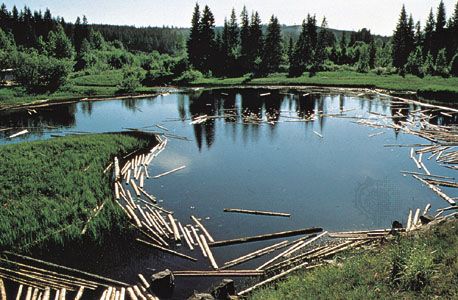
Lake Siljan plays a central role in the hydrology and geography of the Dal River system. Specifically, the Österdal River—one of the two primary forks that form the Dal River—flows directly into and out of Lake Siljan at the town of Mora.32
As the largest lake in the Dalarna region, Lake Siljan acts as a significant basin within the river’s course. After the Österdal River enters the lake at Mora, the water body stretches for 25 miles (40 km) toward the southeast, extending into two distinct bays at Rättvik and Leksand before continuing its journey. Beyond its hydrological function, the area surrounding the lake is a vital center for agriculture and tourism, contributing to the cultural and economic significance of the region through which the river flows.32
How has the mining industry in Bergslagen shaped the region?
The mining industry in Bergslagen has been the fundamental driver of the region’s economic and historical development. Since the Middle Ages, the large-scale extraction and charcoal-smelting of iron established the area as a vital industrial hub, facilitating trade and the exchange of metal products for essential goods.4
The region’s mineral wealth—including copper from Falun, as well as silver, lead, and zinc—was instrumental in financing Sweden’s rise to power during the 17th century, supporting the military campaigns of Gustav II Adolf during the Thirty Years’ War.42
The industry’s influence continued to evolve through the 18th and 19th centuries with the opening of new mines and the construction of specialized infrastructure, such as the rail connection to the ore export port at Oxelösund. This industrial foundation eventually enabled the development of Sweden’s world-famous steel industry. Today, the legacy of this sector persists through modern heavy engineering, metal production, and the preservation of historical sites like the blast furnace reconstruction in Norberg.4
What are the major differences between the Öster Dal and Väster Dal rivers?
The Dal River is formed by the convergence of two primary forks, the Öster Dal and the Väster Dal, which originate in the mountains near the Norwegian border and flow southeast toward the Gulf of Bothnia.1
While these two rivers are the defining components of the Dal River system, the provided information does not detail their specific individual characteristics, such as differences in length, discharge, or unique geographical features. Consequently, I cannot provide a comparison of their major differences based on the current knowledge base.1
Sources
- Dal River — Encyclopædia Britannica
- Dalarna — Encyclopædia Britannica
- Lake Siljan — Encyclopædia Britannica
- Bergslagen — Encyclopædia Britannica
Published on · 2 min read