Dandelion
The dandelion is a weedy perennial herb belonging to the genus Taraxacum and the family Asteraceae. Native to Eurasia, it is now widespread across temperate…
What is Dandelion?
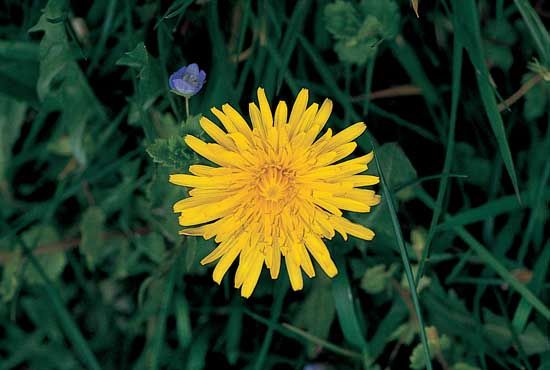
The dandelion is a weedy perennial herb belonging to the genus Taraxacum and the family Asteraceae. Native to Eurasia, it is now widespread across temperate North America.1
The plant is characterized by a basal rosette of leaves, a deep taproot, and a hollow stem. Its name derives from the Anglo-French dent de lion, meaning “lion’s tooth,” a reference to its sharply indented leaves. The dandelion produces a solitary yellow flower head, and its fruit forms a distinct ball-shaped cluster of tufted, one-seeded fruits.12
Beyond its status as a common weed, the dandelion is edible; its bitter young leaves are frequently used in salads, and its roots can be processed into a coffee-like beverage.13
How do dandelion seeds travel through the air?
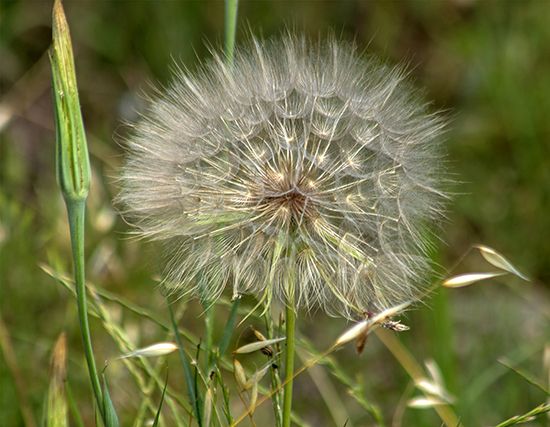
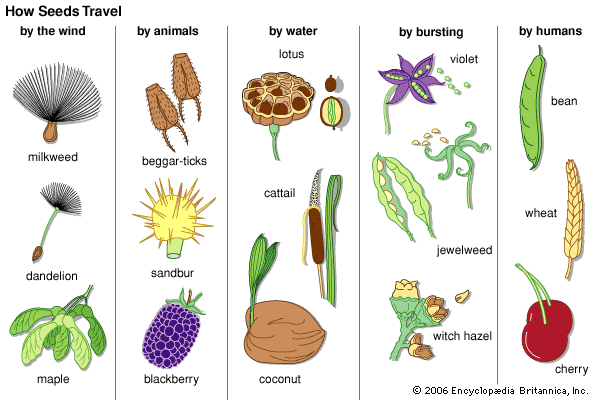
Dandelion seeds are dispersed by wind, a process known as anemochory. They are equipped with a specialized structure called a pappus, which is derived from the calyx of the flower. This pappus consists of a tuft of light, silky hairs that act like a parachute, allowing the seeds to be carried through the air by wind currents.45
Because of this efficient design, dandelion seeds are highly effective at traveling long distances. Under typical conditions, it is estimated that 1 percent of these seeds can reach distances of up to 10 kilometers (6 miles) from the parent plant. This wind-dispersal strategy is a characteristic feature of pioneer vegetation, enabling the dandelion to colonize new areas effectively.45
Why are dandelions often considered a nuisance in gardens?
Dandelions are frequently considered a nuisance in gardens primarily due to their status as a hardy, persistent perennial weed. Their biological characteristics make them difficult to eradicate once established:
- Deep Taproot: Dandelions possess a deep, strong taproot that allows the plant to survive harsh conditions and regenerate even if the top portion is removed or mowed.
- Rapid Reproduction: As members of the Asteraceae family, they produce numerous wind-dispersed seeds that can quickly colonize open soil, such as lawns and garden beds.
- Competitive Growth: Their basal rosette of leaves can grow quickly, potentially crowding out desired garden plants or grasses by competing for sunlight, water, and soil nutrients.
Because they are highly adaptable and spread easily across temperate regions like North America, gardeners often find them difficult to control without consistent maintenance or specialized removal of the entire root system.1
What role do dandelions play in supporting pollinators like bees?
The provided search results do not contain information regarding the specific role dandelions play in supporting pollinators like bees. While the results discuss the etymology of the name “dandelion” and provide general information about bird pollination, they do not address the interaction between dandelions and insect pollinators.
Sources
- Dandelion — Encyclopædia Britannica
- Flower Etymologies For Your Spring Garden | Dandelion — Merriam-Webster
- 11 Questions About Useful Plants Answered - Can you eat flowers? — Encyclopædia Britannica
- Seed - Dispersal by wind — Encyclopædia Britannica
- Seed dispersal - Anemochory: wind dispersal — Encyclopædia Britannica
- Major types of pollinators - Birds — Encyclopædia Britannica
Published on · 2 min read