Dardanelles
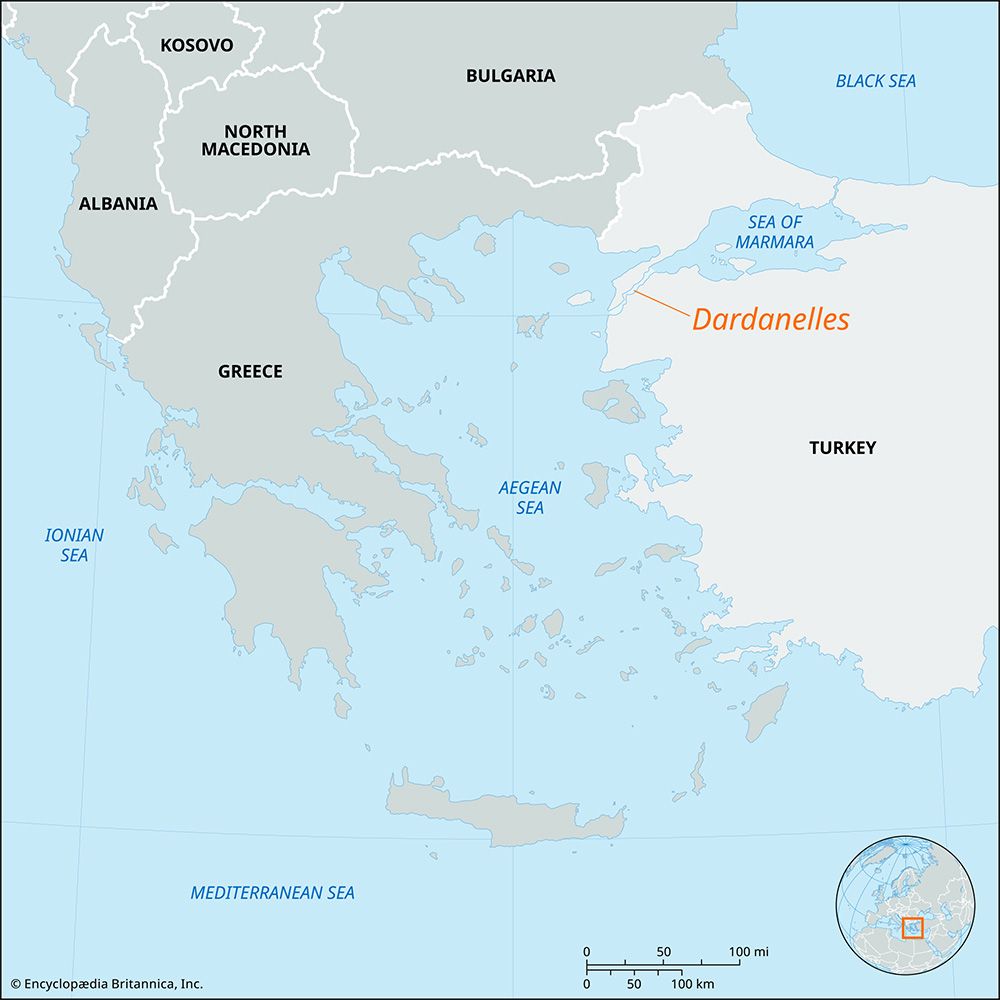
The Dardanelles is a vital maritime artery that serves as a gateway between the Mediterranean Sea and the Black Sea via the Sea of Marmara and the Bosporus.…
How does the Dardanelles Strait affect maritime traffic and trade in the region?
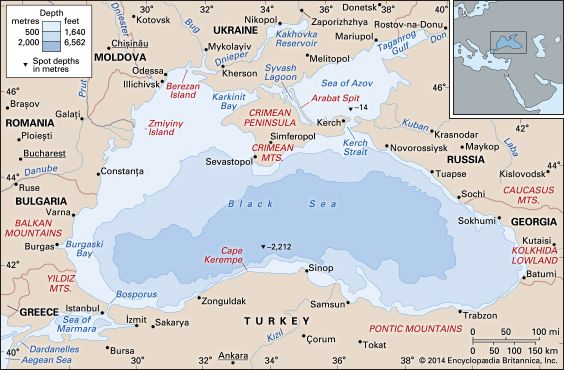
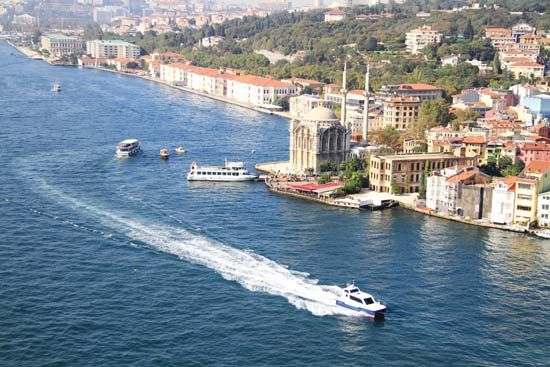
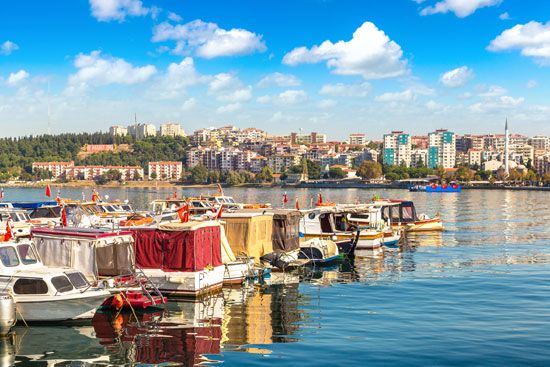
The Dardanelles is a vital maritime artery that serves as a gateway between the Mediterranean Sea and the Black Sea via the Sea of Marmara and the Bosporus. Its strategic location makes it essential for international trade, acting as the primary passage for vessels traveling to and from Istanbul and the broader Black Sea region Istanbul and the broader Black Sea region.1
The strait’s importance is underscored by its complex history of international regulation, known as the Straits Question. Because the passage is located within Turkish territory, its use has been subject to various diplomatic agreements regarding the transit of warships and commercial vessels. The current regulatory framework is governed by the Montreux Convention, which reestablished Turkey’s right to fortify the straits and placed specific restrictions on the access of naval vessels from non-Black Sea states.1
Beyond its political significance, the strait is a critical corridor for maritime commerce, facilitating the movement of goods between Europe and the Middle East.2
What major historical battles or conflicts have occurred at the Dardanelles Strait?
The Dardanelles Strait has been a site of significant military activity throughout history due to its strategic role as a gateway between the Mediterranean and the Black Sea. Key conflicts and historical events include:
- Ancient Crossings: In 480 BCE, the Persian army of Xerxes I crossed the strait using a bridge of boats. Alexander the Great similarly crossed the strait in 334 BCE during his expedition against Persia.1
- 19th-Century Naval Action: In 1807, a British fleet under Admiral Sir John T. Duckworth successfully forced the strait.1
- World War I (Gallipoli Campaign): Between 1915 and 1916, the Allies launched a major combined naval and military operation intended to capture the Gallipoli Peninsula and occupy Constantinople. The campaign, which included landings at Anzac Cove and Cape Helles, faced fierce resistance from Turkish forces led by Mustafa Kemal. The operation ultimately failed, resulting in approximately 214,000 Allied casualties and a full withdrawal by January 1916.45
What is the mythological significance of the Dardanelles in Greek and Roman legends?
In Greek and Roman mythology, the Dardanelles was historically known as the Hellespont (meaning “Sea of Helle”). It features prominently in several foundational legends:
- The Myth of Helle: The strait derives its name from Helle, the daughter of Athamas. While attempting to escape her stepmother on the back of a magical ram with a Golden Fleece, she fell into the sea and drowned. The waters where she perished were subsequently named the Hellespont in her honor.1
- Hero and Leander: This famous Greek legend tells of two lovers separated by the strait. Leander, living in Abydos, would swim the Hellespont nightly to visit Hero, a priestess of Aphrodite at Sestos, guided by a light from her tower. Tragically, during a storm, the light was extinguished, and Leander drowned; upon discovering his body, Hero took her own life.67
- The Argonauts: The strait served as a critical passage for Jason and the Argonauts as they sailed the Argo toward Colchis in search of the Golden Fleece, marking the region as a gateway to the unknown Euxine (Black) Sea.1
What are some of the major cities and ports located along the Dardanelles Strait?
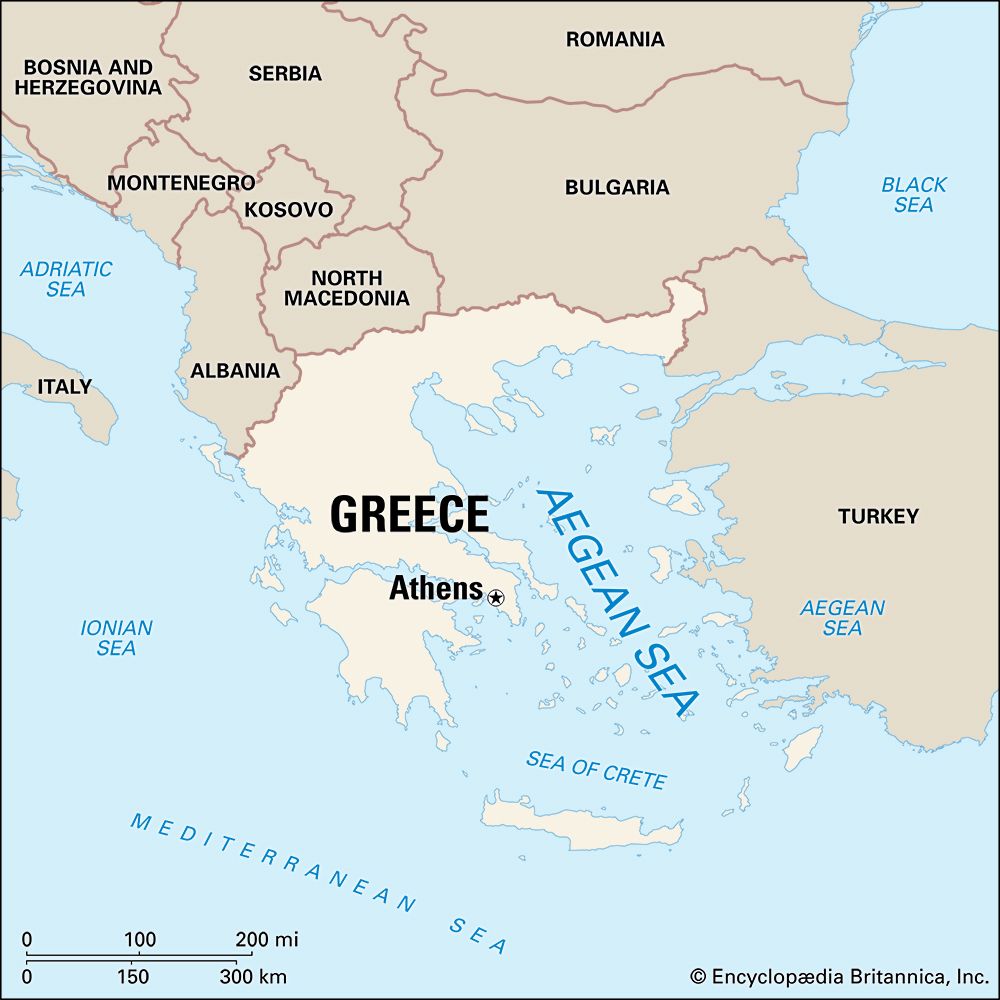
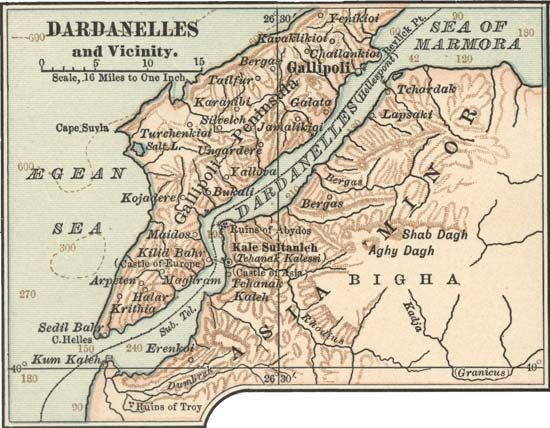
Several important cities and ports are situated along the shores of the Dardanelles, a vital waterway in northwestern Turkey that connects the Aegean Sea to the Sea of Marmara.91
Key locations include:
- Çanakkale: Located on the Asian side of the strait, this city is a major center for the Turkish fish-canning industry. It is strategically positioned at the narrowest point of the Dardanelles and is connected to Istanbul via steamer service.10
- Gallipoli: Situated on the European side where the strait opens into the Sea of Marmara, this town has historically served as a significant naval base and a key transit point for trade routes between the Balkans and Anatolia.11
- Eceabat: Another important port town located along the European shore of the strait.9
- Troy: While now an archaeological site rather than a modern port, the ancient city of Troy held a critical strategic position at the southwestern entrance of the Dardanelles, allowing it to control maritime and land-based communication routes.912
Sources
- Dardanelles — Encyclopædia Britannica
- Straits Question — Encyclopædia Britannica
- Turkey - Transportation — Encyclopædia Britannica
- Gallipoli Campaign — Encyclopædia Britannica
- World War I - Rival strategies and the Dardanelles campaign , 1915–16 — Encyclopædia Britannica
- Hero and Leander — Encyclopædia Britannica
- Hellespontine — Merriam-Webster
- Argonaut — Encyclopædia Britannica
- Çanakkale — Encyclopædia Britannica
- Gallipoli — Encyclopædia Britannica
- Troy - Geography — Encyclopædia Britannica
- Dardanelles — Merriam-Webster
Published on · 3 min read