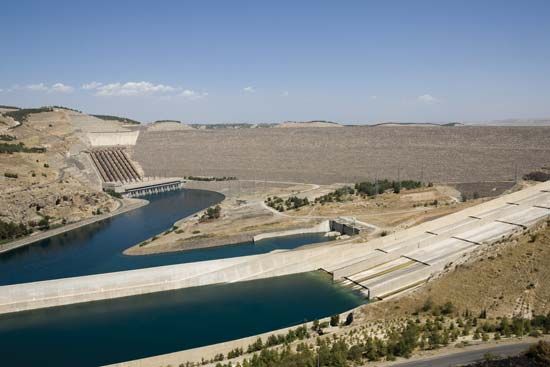
Darling River
The Darling River is the longest member of the Murray-Darling Basin system, serving as a critical tributary that joins the Murray River at Wentworth in New…
How does the Darling River contribute to the Murray-Darling Basin system?
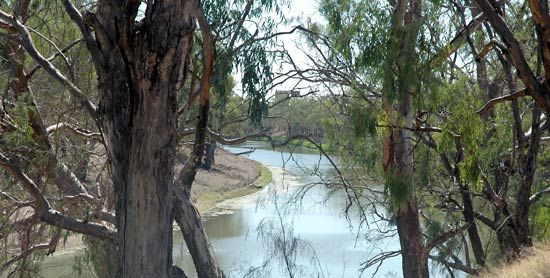
The Darling River is the longest member of the Murray-Darling Basin system, serving as a critical tributary that joins the Murray River at Wentworth in New South Wales.12
The Darling contributes to the broader system by draining a vast 250,000-square-mile basin. While its discharge fluctuates significantly due to droughts and high evaporation rates across arid regions, the river is essential for water management. Engineering projects, such as the Menindee Lakes Storage Scheme, regulate water flow to support irrigation and domestic needs. By managing these flows, the Darling system helps provide a more dependable water supply for the Lower Murray and South Australia. Furthermore, the basin’s integrated management—overseen by regional commissions—is vital for addressing sustainable development and salinity challenges that affect the entire river system.12
What are some of the main towns and settlements along the Darling River?
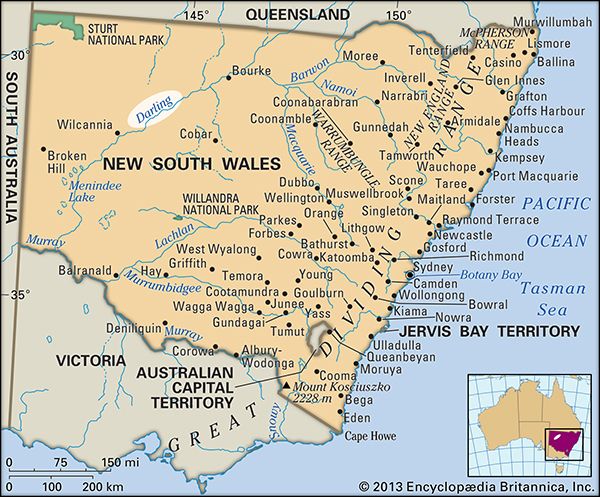
Several towns and settlements are located along the Darling River, where they rely on the river for water supply and irrigation. Key locations include:
- Bourke: A significant town in New South Wales that utilizes the river for fodder cropping and irrigation.1
- Brewarrina: Another settlement along the river that supports agricultural activities through irrigation.1
- Wilcannia: A town that serves as a center for fodder cropping and is situated near the Talyawalka Anabranch.1
- Menindee: Located near the Menindee Lakes Storage Scheme, this area is a focal point for water regulation and storage.1
- Wentworth: Situated at the confluence of the Darling and the Murray River, this town marks a critical junction in the river system.13
These settlements are primarily located within the arid or semiarid pastoral region of the Darling Basin, where agriculture is made possible through small-scale irrigation projects.1
What are the major tributaries of the Darling River?
The Darling River is formed by several headstreams and is fed by a variety of lower tributaries. The main source of the river is generally considered to be the Severn, which flows into the Dumaresq, then the Macintyre, and subsequently the Barwon before becoming the Darling.1
The river’s flow is also supported by several lower tributaries, though their discharge can be highly variable due to frequent droughts and floods in the region. These tributaries include:
- Culgoa
- Warrego
- Paroo
- Gwydir
- Namoi
- Macquarie
- Bogan
Because the Darling flows through arid or semiarid pastoral regions, many of these tributaries occasionally fail to reach the main stream, and the river often loses significant water volume to evaporation.1
How is the Darling River used for agriculture and water management in New South Wales?
In New South Wales, the Darling River serves as a vital resource for both agriculture and regional water security. Because the river flows through arid and semiarid pastoral regions, its utility is heavily dependent on engineering and water management infrastructure.
Agricultural Use
Agriculture along the Darling is primarily concentrated in small, irrigated areas. These include:
- Fodder Cropping: Supported in towns such as Wilcannia, Bourke, and Brewarrina.
- Horticulture: Grape and citrus farming are established further south in the Mallee region.
- Pastoralism: The broader Darling Basin is dominated by large-scale wool production, where grazing is the primary land use.
Water Management
Water management is essential to mitigate the effects of high evaporation rates and variable rainfall. Key initiatives include:
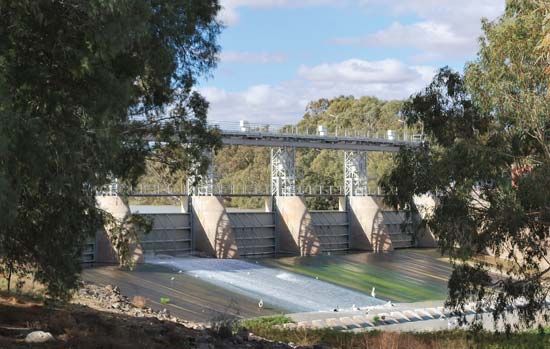
- Darling River Weirs Act (1945): Authorized a series of dams to create reservoirs for town water and irrigation.
- Menindee Lakes Storage Scheme: Completed in 1960, this system of reservoirs regulates flow for domestic and industrial use. It also helps provide a more dependable water supply for downstream users in South Australia by regulating the flow of the Lower Murray.
- Flood Control: Dams on the coastal tablelands and western slopes help manage flood risks and support diversified agriculture.
Sources
- Darling River — Encyclopædia Britannica
- Murray River — Encyclopædia Britannica
- list of rivers - Australia — Encyclopædia Britannica
- New South Wales - Drainage — Encyclopædia Britannica
- Menindee Lakes — Encyclopædia Britannica
Published on · 3 min read