Darnel
Darnel (Lolium temulentum), also known as poison ryegrass or tare, is a noxious weed belonging to the ryegrass genus (Lolium). It is a weedy annual grass…
What is Darnel?
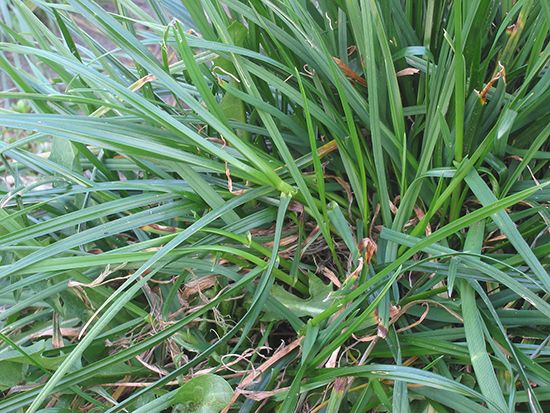
Darnel (Lolium temulentum), also known as poison ryegrass or tare, is a noxious weed belonging to the ryegrass genus (Lolium). It is a weedy annual grass characterized by long awns on its glumes and seeds.1234
Historically, the plant has been a significant agricultural concern because it often grows in grainfields. It is frequently infected with a poisonous fungus that can be dangerous to grazing animals. In the past, when contaminated with grain, darnel seeds posed a health hazard to humans; however, modern winnowing techniques have largely mitigated this risk by separating the weed’s seeds from those of cereal crops. The term “tare” is also historically associated with this plant, particularly in biblical contexts where it refers to weeds found in grain fields.415
Why is darnel considered poisonous to animals?
Darnel is considered poisonous to animals primarily due to its frequent association with a toxic fungus that infects the plant. This relationship is a well-documented cause of toxicity in livestock that graze on infested fields.
While the term “poison darnel” is a common name for the species Lolium temulentum, the toxicity is often attributed to the presence of endophytes—fungi that live within the plant tissues and produce harmful alkaloids. When animals consume these infected grasses, they can suffer from various neurological and physiological symptoms.
How do modern farming techniques prevent weed contamination?
Modern farming employs a multifaceted approach to prevent weed contamination, moving beyond simple manual labor to integrate mechanical, biological, and chemical strategies.
Mechanical and Cultural Methods
Mechanical control remains a cornerstone of agriculture. Techniques include:
- Tillage: Precision seeding and the use of tiller tools allow for weed removal near crop plants, though it must be managed carefully to avoid root injury or the spread of perennial weeds.7
- Cultural Practices: Methods such as crop rotation, the use of smother crops, and mulching help suppress weed growth.7
- Sanitation: Cleaning machinery between fields prevents the accidental spread of weed seeds.7
Chemical Control
Since World War II, the use of herbicides has become a primary method for managing weeds. These chemicals are formulated as powders, granules, or liquids and are often applied via spraying to ensure uniform coverage. While highly effective at reducing labor costs, their use requires careful integration into the farm program to account for crop stages and environmental safety.8
Biological and Integrated Control
Modern agriculture increasingly utilizes integrated control, which combines various strategies to minimize reliance on chemicals:
- Biological Agents: Introducing insects that specifically target unwanted weeds without harming crops.8
- Resistant Varieties: Breeding crops that are more resilient to pests and competition.9
- Regulatory Measures: Importation and quarantine regulations are strictly enforced to prevent the introduction of exotic, invasive weed species.9
The industry continues to balance the need for high-yield, affordable food production with the ethical imperative to protect environmental quality and reduce the toxicity of agricultural practices.8
What is the significance of the parable of the wheat and the tares?
The parable of the wheat and the tares, found in the New Testament, is a significant teaching regarding patience, judgment, and the coexistence of good and evil. In this narrative, a farmer sows good seed, but an enemy sows weeds—often identified as darnel—among the wheat.
The significance lies in the farmer’s instruction to his servants to let both grow together until the harvest, rather than pulling the weeds prematurely and risking damage to the wheat. This illustrates the principle that, in the present world, good and evil are intertwined and cannot be easily separated without causing collateral harm. The final separation is reserved for the time of harvest, symbolizing a divine judgment that will ultimately distinguish between the righteous and the wicked.
The term “tare” itself has evolved to represent any undesirable element or influence within a community. By emphasizing that judgment is not the role of humans in the present age, the parable encourages tolerance and trust in a future resolution.3
Sources
- bearded darnel — Merriam-Webster
- ryegrass — Encyclopædia Britannica
- tare — Merriam-Webster
- darnel — Encyclopædia Britannica
- darnel — Merriam-Webster
- poison darnel — Merriam-Webster
- weed - Mechanical control — Encyclopædia Britannica
- Pest — Encyclopædia Britannica
- Agricultural technology - Weed control — Encyclopædia Britannica
Published on · 3 min read