Weed
There is no strictly botanical definition of a weed. Instead, the term is a relative, human-centric classification used to describe any plant that is growing…
What is the botanical definition of a weed?
There is no strictly botanical definition of a weed. Instead, the term is a relative, human-centric classification used to describe any plant that is growing where it is not wanted.12
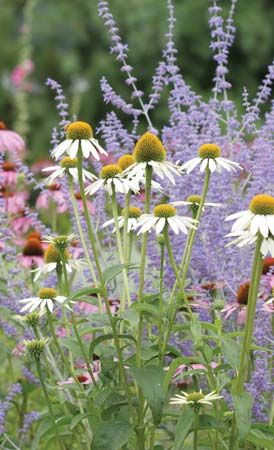
Because the designation depends entirely on the observer’s perspective and the specific environment, a plant can be considered a weed in one context and a valuable resource in another. For example, sunflowers may be viewed as weeds when they appear in cultivated fields, yet they are prized as wildflowers in uncultivated valleys or grown as a crop for their seeds.12
Plants often earn the label of “weed” if they exhibit vigorous growth, compete with desired plants for water, light, and nutrients, or interfere with human activities such as agriculture, landscaping, or public land management. As human needs and land use change, the status of a plant can shift; a species once considered a weed may be found to have beneficial properties and be brought into cultivation, while other plants may escape gardens to become invasive species.134
What are some strategies for weed control in botany and horticulture?
Weed control strategies in botany and horticulture are generally categorized into mechanical, biological, and chemical methods. These approaches aim to minimize plant competition and protect crop yields.75
Mechanical Control
Mechanical methods are among the oldest strategies, focusing on physical removal or environmental modification to suppress weed growth.
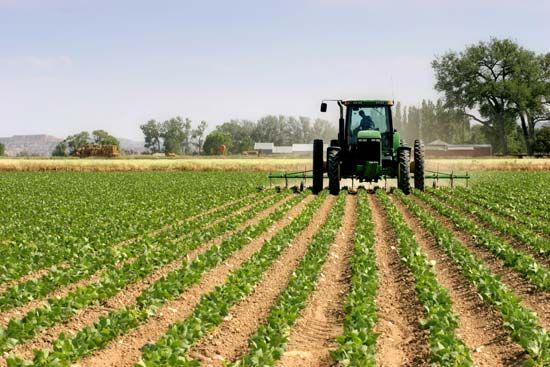
- Cultivation and Tillage: Standard practices like hoeing or using machinery to cut weeds are widely used in row-crop agriculture and gardening.785
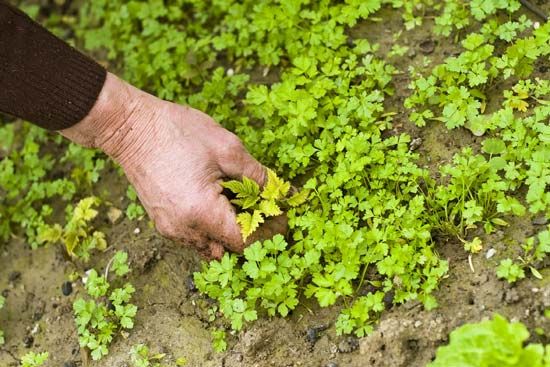
- Manual Removal: Hand-pulling is often necessary in small-scale settings like rock gardens or seed boxes.78
- Cultural Practices: Techniques such as crop rotation, the use of smother crops, mulching, and planting weed-free seeds help prevent infestations.75
- Other Methods: Burning, grazing by livestock, and the use of physical barriers are also employed.795
Biological Control
This approach uses natural predators to manage weed populations, particularly in uncultivated areas where chemical use may be less feasible.9
- Natural Enemies: Introducing insects or other organisms that feed on specific weeds has successfully reclaimed vast areas of land, such as the use of the cactus moth to control prickly pear.9
- Grazing Animals: Certain animals, such as geese, sheep, and goats, are used to manage brush or weeds in specific crops like cotton and mint.79
- Aquatic Control: Various fish and snails are utilized to manage aquatic weeds in water systems.9
Chemical Control
Chemical herbicides are widely used for their efficiency and labor-saving benefits.10
- Selectivity: Herbicides are classified as selective (targeting specific species) or nonselective (killing plants generally).105
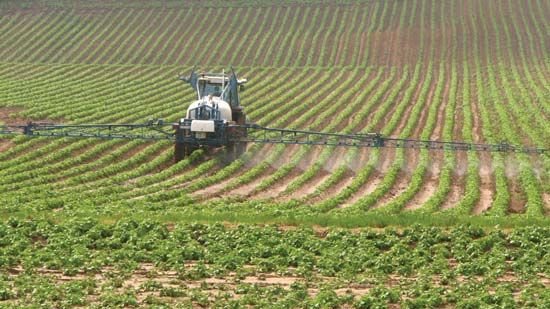
- Application: They may be applied to foliage or soil and are categorized by timing, such as preplant or postemergence.10
- Modern Technology: The development of herbicide-resistant crops allows for effective weed management in no-till farming, though these practices remain controversial due to environmental and safety concerns.10
Because some chemical agents can pose risks to human health and the environment, ethical management requires careful consideration of safety and long-term ecological impact.10
Can you explain the concept of ‘invasive species’ in relation to weeds?
While the terms are often used interchangeably in casual conversation, they represent distinct concepts. A weed is a relative, human-centric term for any plant growing where it is not wanted, whereas an invasive species is a nonnative organism that significantly disrupts the ecosystems it colonizes.1112
The relationship between the two is significant:
- Overlap: Many invasive species are categorized as weeds because they interfere with human activities, such as agriculture or land management. However, not all weeds are invasive; a native plant can be considered a weed if it grows in an unwanted location, such as a garden or crop field.12
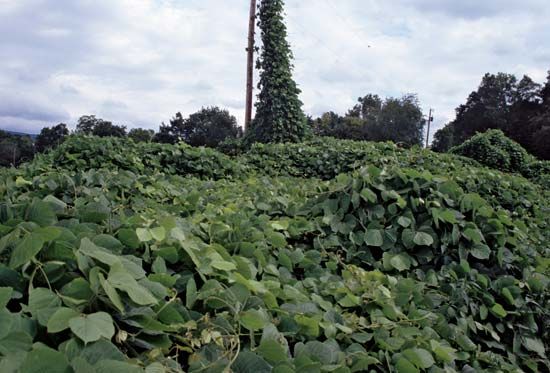
- Competitive Advantage: Invasive species often become problematic because they possess a competitive advantage over indigenous species, such as rapid growth or a lack of natural predators. When these plants escape cultivation or are introduced to new environments, they can displace native vegetation, reducing biodiversity and causing economic harm.11121
- Ecological Impact: Unlike common weeds, which are primarily defined by their location, invasive species are defined by their ability to modify habitats, serve as disease vectors, or outcompete native flora for essential resources like light and water.111
What are some examples of plants commonly considered weeds in different regions?
The classification of a plant as a “weed” is relative, depending heavily on its location and the human activity it disrupts. Many plants are considered weeds because they compete with crops for essential resources like light, water, and nutrients.114
Common examples of plants often categorized as weeds include:
- Agricultural Weeds: Species such as charlock (wild mustard), wild oats, and quack grass are frequent nuisances in cereal farming. Other examples include prickly lettuce, sow thistle, and saltbrush, which can also serve as hosts for plant diseases.141
- Invasive Weeds: Some plants are considered “noxious” or highly invasive when introduced outside their native range. Japanese knotweed, native to East Asia, is a prime example; it is considered one of the world’s most destructive invasive species in Europe and North America due to its aggressive growth and ability to displace native flora.6
- Context-Dependent Weeds: Plants like poison oak may be viewed as natural components of an open hillside but are classified as hazardous weeds in campgrounds or public parks. Similarly, foxtails and tarweeds are problematic in pastures because they can injure livestock or lower the quality of animal products.1
Sources
- weed — Encyclopædia Britannica
- Wildflower — Encyclopædia Britannica
- weed — Merriam-Webster
- broadleaf weed — Merriam-Webster
- weed - Biological control — Encyclopædia Britannica
- Cereal farming - Weeds — Encyclopædia Britannica
- weed - Mechanical control — Encyclopædia Britannica
- Herbicide — Encyclopædia Britannica
- gardening - Control of weeds — Encyclopædia Britannica
- horticulture - Pest control — Encyclopædia Britannica
- invasive species — Encyclopædia Britannica
- conservation - Removing invasive species — Encyclopædia Britannica
- habitat loss — Encyclopædia Britannica
- Japanese knotweed — Encyclopædia Britannica
Published on · 4 min read