Ryegrass
Ryegrass refers to a genus of about 10 species of grass in the family Poaceae. It is important to clarify that these plants are entirely unrelated to cereal…
What are the main characteristics and varieties of ryegrass?
Ryegrass refers to a genus of about 10 species of grass in the family Poaceae. It is important to clarify that these plants are entirely unrelated to cereal rye (Secale cereale).1
Characteristics
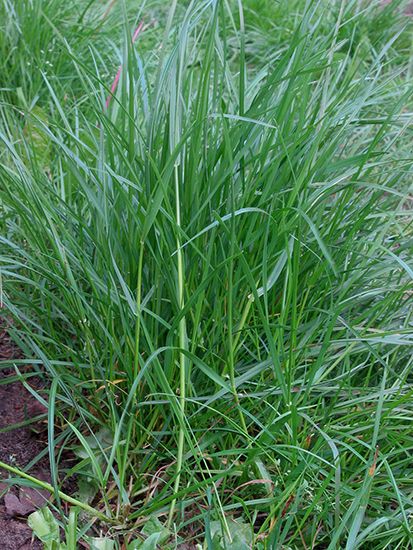
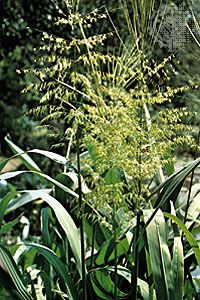
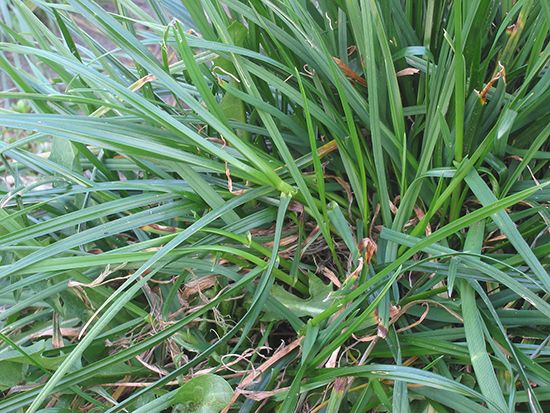
Ryegrasses are tufted plants that typically reach heights of 0.3 to 1 metre (1 to 3.3 feet). They are characterized by tough, dark green leaves and flower spikelets arranged along a zigzag rachis. Because they possess extensive root systems, they are highly effective for erosion control.1
Varieties
The genus includes both annuals and perennials, with two primary varieties widely used in pasture and lawn-seed mixtures:12
- Perennial ryegrass (Lolium perenne)
- Annual ryegrass (L. multiflorum)
Additionally, the genus includes darnel (L. temulentum), a species often considered a noxious weed. It is frequently infected with a poisonous fungus that poses a health risk to grazing animals.1
What is the scientific classification of ryegrass, including its genus and species?
Ryegrass belongs to the genus Lolium, which is part of the grass family Poaceae. This genus comprises approximately 10 distinct species, including several that are widely cultivated for forage and lawn use.1
Common species within the Lolium genus include:
- Perennial ryegrass (Lolium perenne): A widely used perennial grass for pastures and lawns.13
- Annual ryegrass (Lolium multiflorum): An annual variety frequently utilized in seed mixtures.1
- Darnel (Lolium temulentum): A species often classified as a noxious weed.1
It is important to note that these plants are scientifically distinct from the cereal rye (Secale cereale), which belongs to a different genus.14
How does ryegrass contribute to soil health and erosion control?
Ryegrass (genus Lolium) contributes significantly to land management primarily through its extensive root systems. These dense, fibrous root networks help stabilize the soil, making the plants highly effective for erosion control in various environments.1
By anchoring the earth in place, these grasses prevent the loss of topsoil caused by wind and water runoff. Their ability to establish quickly makes them a preferred choice for protecting vulnerable ground, whether in agricultural pastures or residential lawn settings.1
How is ryegrass commonly used in agriculture and landscaping?
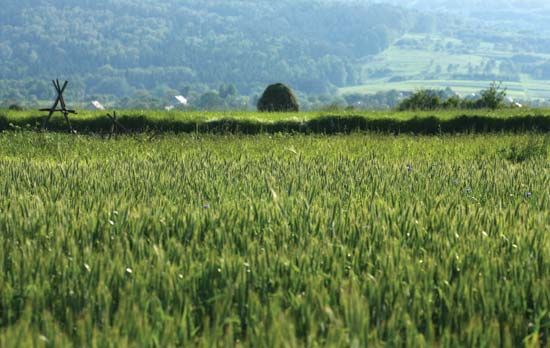
Ryegrass (Lolium) is highly valued in both agricultural and landscaping sectors due to its rapid growth and adaptability in temperate climates.1
Agricultural Applications
In agriculture, ryegrass species such as perennial ryegrass (Lolium perenne) and annual ryegrass (L. multiflorum) are essential components of pasture mixtures. These grasses provide high-quality forage for livestock. Additionally, because of their fast-growing nature, they are frequently utilized as cover crops. When planted during off-seasons or between rows of primary crops, they help prevent soil erosion, improve soil structure, and contribute organic matter to the land.16
Landscaping Uses
In landscaping, ryegrass is a staple in lawn-seed mixtures globally. Its popularity stems from its:1
- Durability: The plants feature tough, dark green leaves that withstand regular use.1
- Erosion Control: Their extensive root systems make them excellent for stabilizing soil on slopes or areas prone to runoff.1
- Establishment: Their ability to germinate and grow quickly makes them ideal for establishing ground cover in new or damaged turf areas.1
Sources
- ryegrass — Encyclopædia Britannica
- ryegrass — Merriam-Webster
- perennial ryegrass — Merriam-Webster
- Rye — Encyclopædia Britannica
- Lolium — Merriam-Webster
- Cover crop — Encyclopædia Britannica
Published on · 2 min read